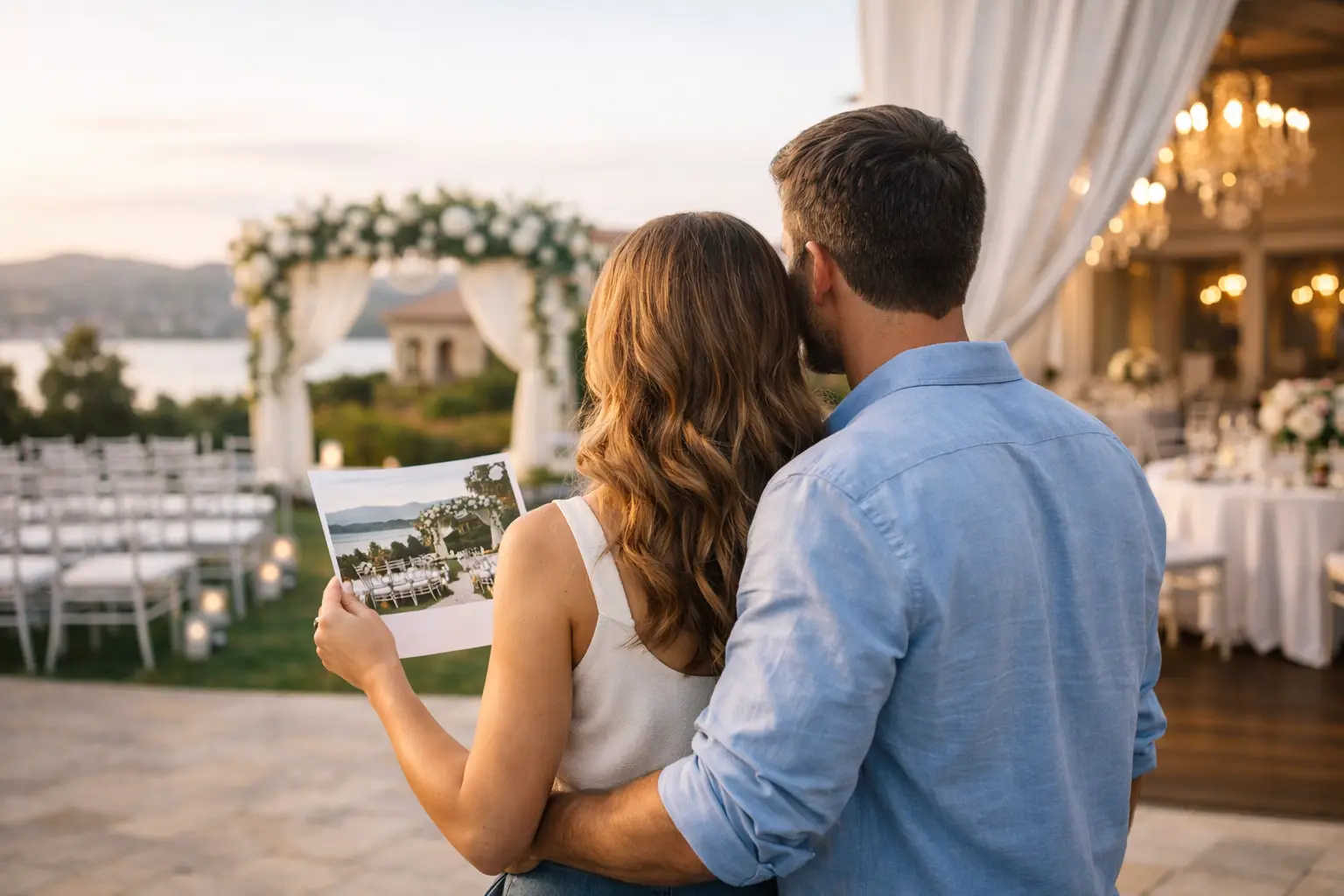
One of the first real tests of wedding planning arrives when you walk into a beautiful room and immediately picture your day there – only to realise later that the guest list will not fit, the catering rules are restrictive, or the timing does not suit your ceremony. That is exactly why knowing how to choose wedding venue properly matters. The right space does far more than look impressive in photographs. It shapes the atmosphere, the schedule, the guest experience, and the ease of everything that follows.
For many couples, especially those planning a large celebration or a culturally significant wedding, the venue is not simply a backdrop. It becomes the foundation of the day. If that foundation is right, planning feels calmer, clearer, and far more enjoyable. If it is wrong, even the most beautiful styling can struggle to compensate.
How to choose wedding venue starts with your wedding style
Before you compare price lists or visit event spaces, be honest about the wedding you are actually planning – not the one that looks good on a saved inspiration board. A refined civil reception for 120 guests has very different venue needs from a vibrant South Asian wedding with multiple events, a halal dining requirement, a large family presence, and a detailed stage setup.
Style is about more than décor. It includes the rhythm of the day, the level of formality, the cultural and faith elements involved, and the kind of hospitality you want guests to remember. Some couples want effortless elegance with an all-inclusive package that removes pressure. Others want the flexibility of dry hire so they can bring their own caterers, decorators, or family traditions into the celebration.
Neither approach is better. It depends on how involved you want to be and how much coordination you are comfortable managing. A venue that offers both structure and flexibility often gives you the best of both worlds.
Start with guest numbers, not your dream room
It is very easy to fall in love with chandeliers, entranceways, and a dramatic dance floor. Capacity, however, should come first. A room that is too small feels cramped and uncomfortable. A room that is too large can make even a lively wedding feel sparse.
When considering numbers, ask how the venue handles different layouts. A seated wedding breakfast, theatre-style ceremony, buffet service, head table, dessert stations, or a central stage all affect the way space is used. If you are hosting a wedding where extended family attendance is expected, build in room for that reality from the beginning rather than hoping numbers will somehow reduce later.
For multicultural weddings especially, guest counts can shift upwards quickly. It helps to ask not only for the venue’s maximum capacity, but its comfortable capacity for your style of event. Those two figures are not always the same.
Think about movement as well as seating
A well-chosen venue should allow guests to move easily from arrival to dining, speeches, prayer, entertainment, and departure. If the room works only when everyone is seated and still, it may not suit a celebration with several live moments and a busy family flow.
Catering can make or break the venue decision
Food is one of the most remembered parts of any wedding. For many families, it is also one of the clearest expressions of care, hospitality, and cultural identity. That means catering should never be treated as a small detail when deciding how to choose wedding venue.
Some venues insist on fixed in-house menus. That can work well if the quality is excellent and the team understands your expectations. But if you need halal catering, authentic regional cuisine, or menus that reflect Pakistani, Bangladeshi, British, or Afro-Caribbean traditions, the venue must be able to deliver that standard confidently.
This is where practical questions matter. Ask whether the catering is fully halal, whether separate preparation requirements can be respected, how service is managed for large guest numbers, and whether family preferences can be accommodated without stress. If the venue allows self-catering or external specialists, ask how that works operationally. Flexibility sounds attractive, but it still needs proper coordination, kitchen access, timing control, and experienced management.
A luxury wedding should feel generous, polished, and effortless for guests. That takes more than a menu on paper. It takes a venue team that understands what meaningful hospitality looks like in your community.
Cultural understanding is not a bonus – it is part of the service
A venue may be visually stunning and still be the wrong fit if the team does not understand the traditions surrounding your day. Weddings are deeply personal, but they are also shaped by family expectations, faith considerations, and ceremonial details that require sensitivity rather than guesswork.
If you are planning a Muslim wedding, for example, considerations may include halal catering, prayer space, timings around the nikah, modesty preferences, and the comfort of older relatives. For South Asian weddings, staging, family entrances, multiple outfit changes, and high-energy celebrations may all need to be factored into the running order. Afro-Caribbean weddings may place a strong emphasis on music, atmosphere, generous dining, and a vibrant evening celebration. British weddings often prioritise a smooth guest experience, polished service, and elegant flow from ceremony to reception.
The best venue teams do not merely say yes to these needs. They anticipate them. That level of cultural fluency reduces stress in ways couples often only appreciate once planning is underway.
Look beyond the ballroom
A venue can photograph beautifully and still create practical difficulties on the day. When you visit, pay attention to the full guest journey. Is there ample parking? Is the location straightforward for guests travelling from London, Essex, or further afield? Are older relatives able to access the space comfortably? Is there enough room for welcome drinks, private moments, supplier setup, and children who may need a little breathing space?
Luxury is not only about appearance. It is also about ease. Guests should arrive without confusion, move through the venue without bottlenecks, and feel cared for from the first moment to the last.
Ask what is included, then ask what is not
This is often where venue comparisons become clearer. One venue may appear less expensive until you discover that décor, coordination, table settings, catering management, or staffing all come at additional cost. Another may offer a higher headline figure but include the services that save you countless hours and avoidable stress.
When reviewing packages, look closely at what contributes to a genuinely effortless experience. A full-service venue with trusted supplier relationships, planning support, décor options, and hospitality expertise can offer better value than a cheaper room that leaves you to manage every moving part yourself.
For couples who want more freedom, dry hire can still be an excellent choice – but only if you are realistic about the amount of planning and oversight required. Freedom and convenience rarely sit at exactly the same level. Usually, you choose where you want the balance to fall.
Visit with a decision-making lens
Venue viewings can become emotional very quickly, and rightly so. This is where your wedding begins to feel real. Still, a good viewing should answer operational questions as well as aesthetic ones.
Notice how the team speaks to you. Are they simply showing a room, or are they helping you imagine your day with clarity? Do they ask about your traditions, guest numbers, catering expectations, and timeline? Do they seem confident with large celebrations and family-led events? Professional warmth matters. You want to feel looked after, not processed.
If a venue can explain how your reception will flow, where suppliers will set up, how guests will be welcomed, and how any cultural requirements will be handled, that is a strong sign of experience. At The Grove Banqueting, that kind of guidance is often what gives couples real peace of mind.
Trust the venue that makes planning feel lighter
The most beautiful venue is not always the one with the grandest first impression. Often, it is the one that quietly solves problems before they arise. It fits your guest list. It respects your traditions. It serves food your families will genuinely enjoy. It offers elegance without friction.
When deciding how to choose wedding venue, look for the place that supports the wedding you want to host, not just the images you want to capture. The right setting should feel like a masterpiece in the making, but also like a safe pair of hands. That combination is rare, and when you find it, you will feel the difference almost immediately.
Choose the venue that allows you to be fully present in one of the most meaningful days of your life. That is where real luxury begins.