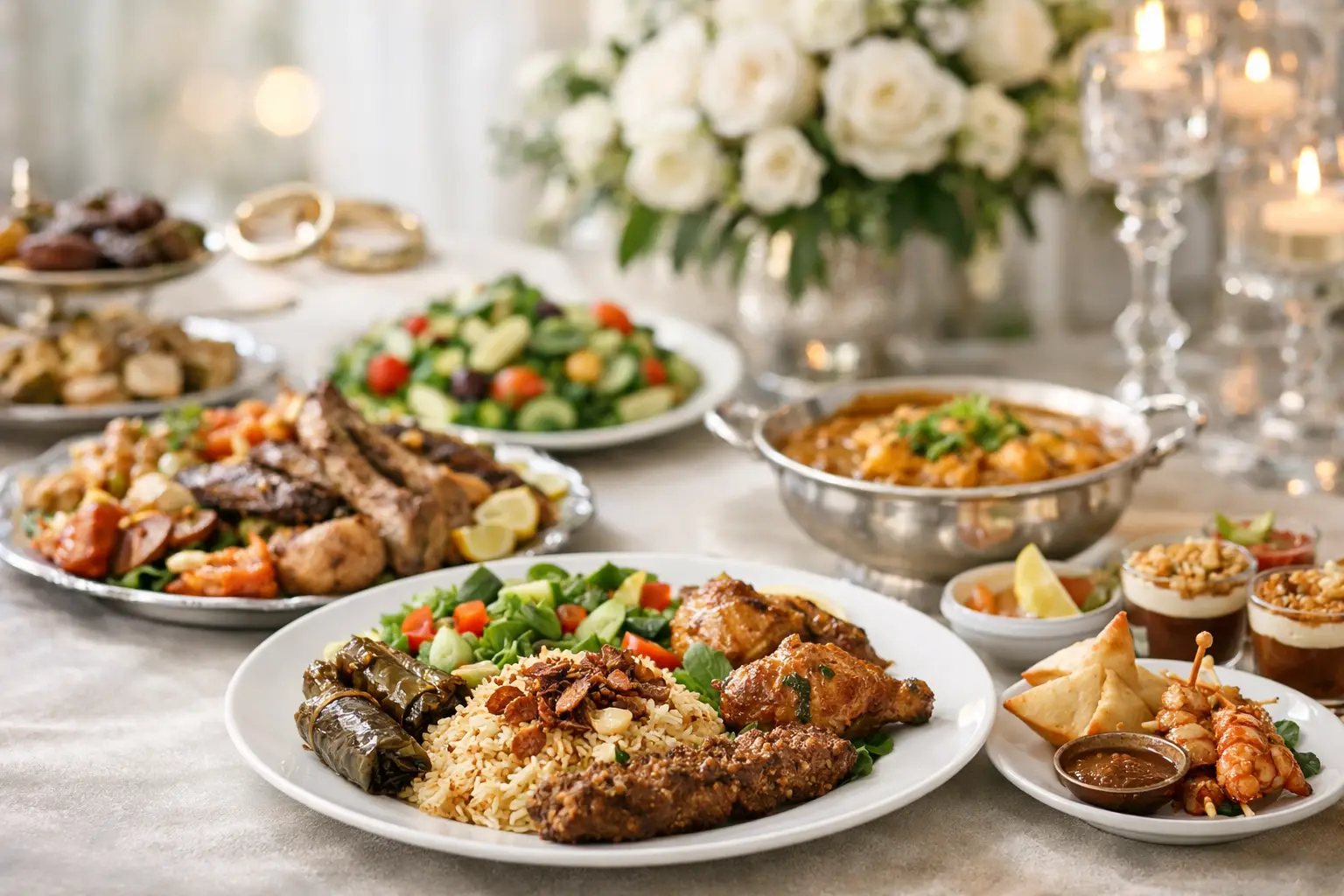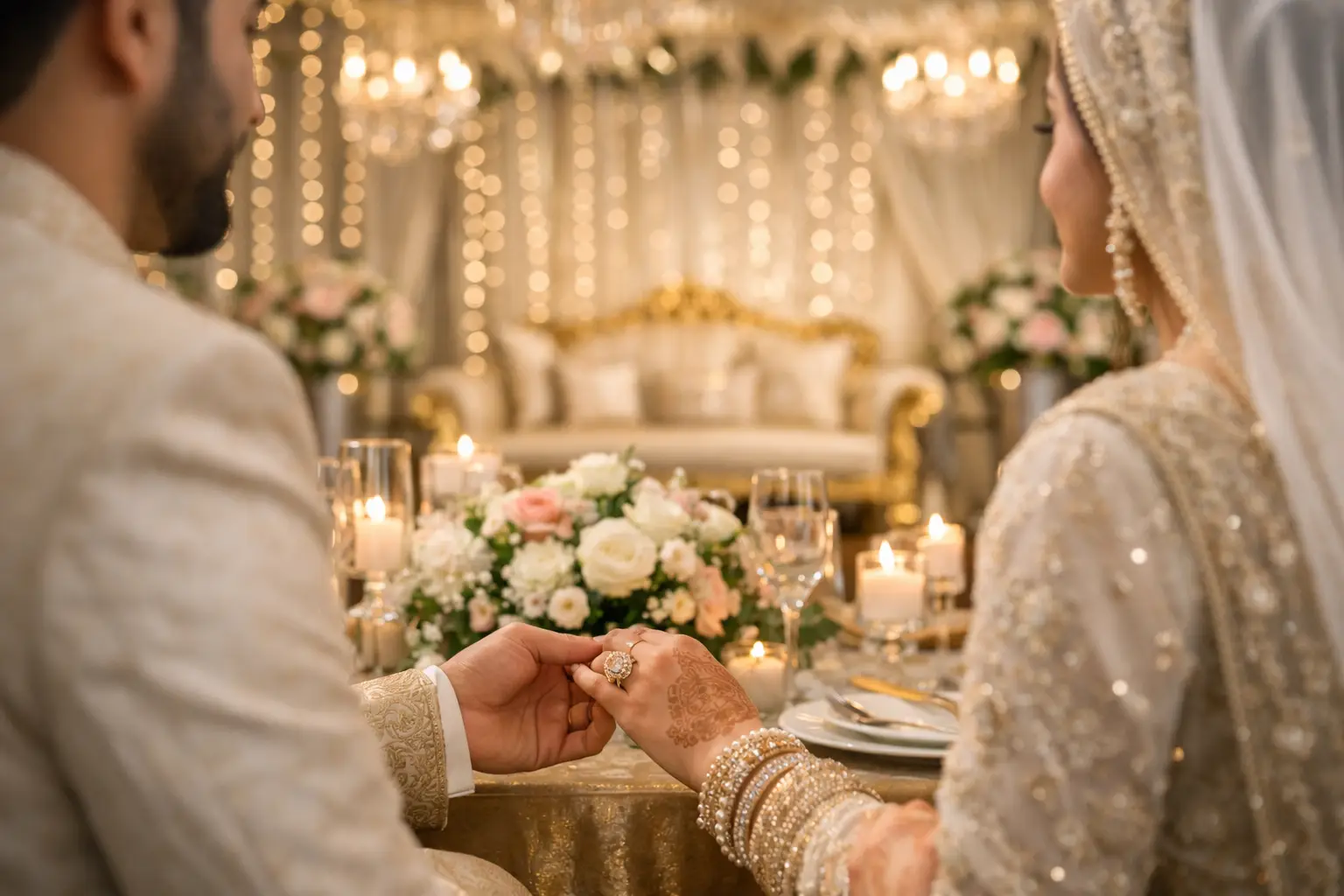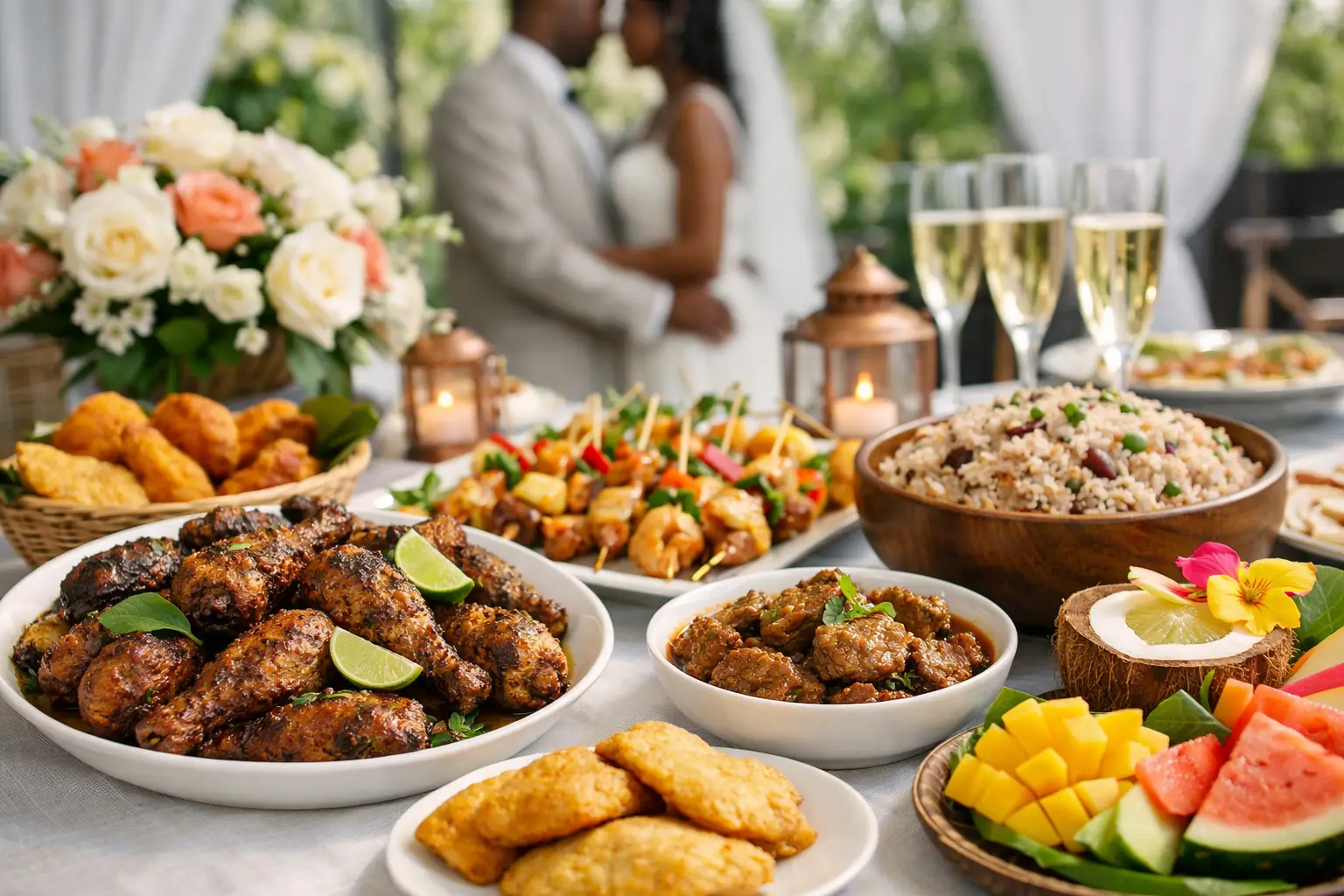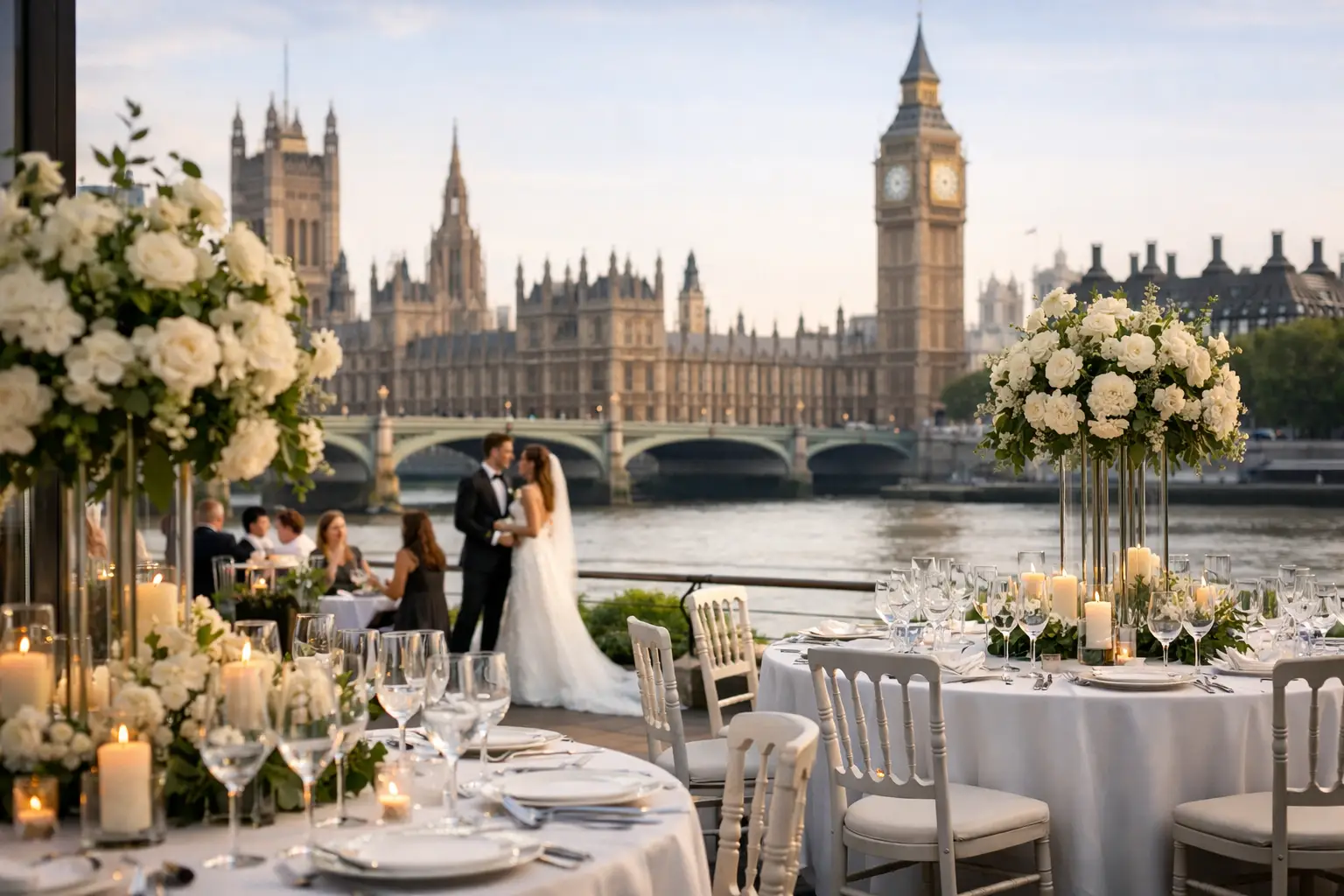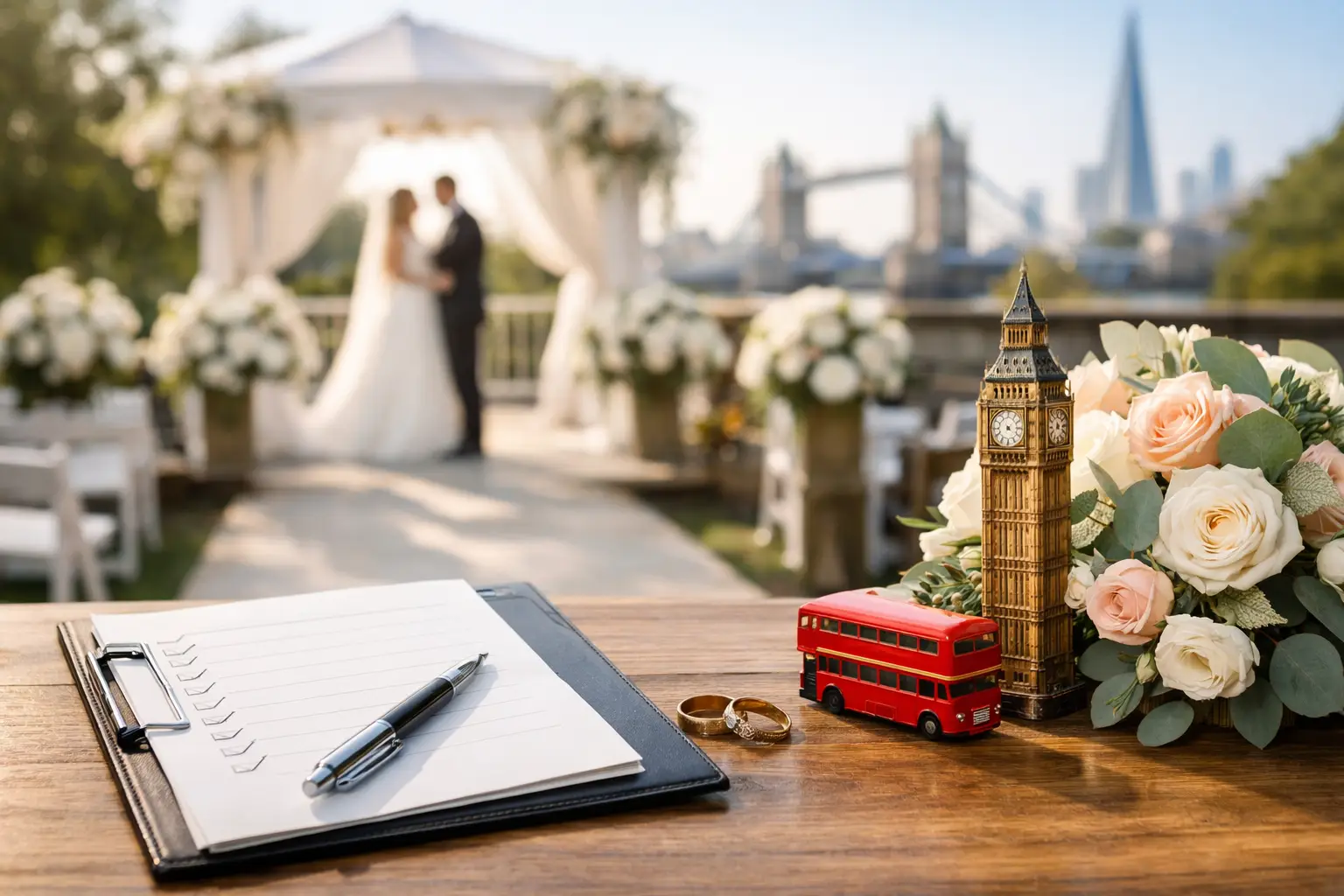
A beautiful ballroom can make a powerful first impression, but it is what happens behind the scenes that determines whether your wedding feels effortless or unnecessarily stressful. The right wedding venue checklist guide helps you look beyond the chandeliers and consider the details that matter to you, your families and every guest sharing your celebration.

For couples planning a wedding in East London, Romford, Essex or the wider London area, the decision is often about far more than finding a stylish room. You may need a venue that understands a nikah timetable, can serve authentic halal cuisine at scale, accommodates a lively Afro-Caribbean celebration, or gives a British wedding reception the polished finish it deserves. Start with your priorities, then use each viewing to discover whether a venue can deliver them with confidence.

Wedding Venue Checklist Guide: Begin With Your Non-Negotiables

Before arranging viewings, agree on the elements that cannot be compromised. This conversation is particularly valuable when families are involved, as it brings expectations into the open before deposits are paid and plans become fixed.

Guest numbers should be your first consideration. Ask not only how many people the venue can technically hold, but how many it can host comfortably once a dance floor, stage, top table, catering stations, photographers and entertainment are in place. A room can appear spacious when empty yet feel crowded once a large wedding breakfast or buffet is underway. Equally, a grand ballroom should still feel warm and considered for a more intimate guest list.

Your ceremony and reception schedule matters just as much. If you are planning a nikah, civil ceremony, blessing or separate events on the same day, establish whether the venue can provide suitable spaces, privacy and a smooth transition between each moment. Ask about access times for suppliers, the latest permitted finish, and whether there is enough time for room changes without guests being left waiting.

Budget deserves a clear discussion too. A lower venue-hire figure can be appealing, but it may not include catering, furniture, linen, décor, security, staffing or cleaning. An all-inclusive package can offer better value and considerably less coordination, particularly for a high-capacity celebration. Dry hire can be the right choice when you have trusted suppliers or a very specific creative vision, but it requires more time, more decisions and a careful eye on every additional cost.

See the Venue as Your Guests Will

A viewing should feel like more than a tour. Imagine the full guest journey, from arriving in their best clothes to leaving at the end of a memorable evening.

Arrival, parking and accessibility

Ask where guests will park and whether parking is on site, nearby or restricted at certain times. For a wedding attended by relatives travelling from across London and Essex, convenient parking is not a minor detail. It can shape the entire arrival experience, especially for elderly family members, young children and guests wearing formal attire.

Check accessibility with care. Are there step-free entrances, accessible toilets and straightforward routes to the main suite? Is there a comfortable area for guests who need a quieter moment away from the celebration? Consider transport links as well, including how easy it is to arrange taxis at the end of the night.

Space, atmosphere and practical flow

Look at where welcome drinks, photographs, prayer, dining and dancing will happen. A well-designed venue creates natural flow, so guests do not feel shuffled from one cramped corner to another. If your celebration includes a mandap, stage, cake display, live musicians, DJ or a significant dance floor, ask the team to show you precisely how the layout would work.

Natural light can be lovely for daytime photographs, while elegant lighting transforms the room after dark. Do not rely only on styled images. Visit at a similar time of day to your event if possible, and ask to see lighting options for entrances, speeches, first dances and evening entertainment.

Privacy and exclusivity

Find out whether another wedding or event will take place at the venue on the same day. Shared entrances, car parks and communal spaces can affect the feeling of exclusivity, as well as your photographs and timings. In some cases, separate events can be managed discreetly. In others, exclusive use is worth prioritising for the privacy and calm it brings.

Put Catering at the Centre of the Conversation

Food is one of the strongest memories guests take home, and it should be treated as a centrepiece of your experience rather than a final administrative decision. Ask who prepares the food, whether menus can be tailored and how the venue manages dietary, allergen and faith requirements.

For Muslim couples and families, halal assurance must be clear and specific. Ask whether the kitchen, suppliers and service procedures meet your requirements, rather than assuming that a halal-labelled menu answers every question. If authentic Pakistani or Bangladeshi cuisine is important to your day, a tasting is essential. You are looking for generous hospitality, quality ingredients and flavours that feel familiar and celebratory, not simply a menu that meets a technical requirement.

The same principle applies to Afro-Caribbean, British and mixed-culture celebrations. A venue should welcome your traditions and be willing to discuss the service style that best suits them, whether that is a formal plated meal, a lavish buffet, family-style dining or late-evening refreshments. Ask about children’s meals, vendor meals, dessert tables and whether you may incorporate meaningful family touches into the menu.

Ask What the Package Really Includes

A polished package can remove a remarkable amount of pressure, but compare like for like. Request a written breakdown of everything included, then identify what remains your responsibility. You should understand whether the quotation covers table settings, chairs, linen, centrepieces, stage décor, lighting, catering staff, security, cleaning and a dedicated event manager.

Décor deserves particular attention because it changes the character of a room completely. Discuss colour palettes, floral styling, backdrops, entrance displays and table designs, but also ask how much flexibility you have. Some couples want the reassurance of an established décor partner who knows the venue perfectly. Others want to bring an independent stylist. Neither approach is automatically better – it depends on the look you want, the budget you are working with and how much supplier coordination you wish to undertake.

Be equally clear about external suppliers. Can you bring your own photographer, cake maker, DJ, caterer or décor team? Are there approved supplier lists, delivery rules or additional charges? A venue with experienced partners can protect standards and simplify planning, while dry hire offers greater independence for couples with a highly individual brief.

Test the Team, Not Just the Building

The most elegant setting still relies on people who can manage a complex occasion with poise. During your viewing, notice whether the team asks thoughtful questions about your plans. Do they understand the cultural and faith-sensitive details that matter to your family? Can they explain how they handle a late-running ceremony, a large guest arrival or a last-minute dietary request?

Ask who will be your point of contact from booking to the wedding day. A dedicated planner or coordinator offers reassurance, but their role should be defined. Will they create the timetable, liaise with suppliers, oversee room set-up and remain present throughout the event? Knowing this early prevents assumptions and allows you to decide where you need additional support.

It is also sensible to ask about contingency planning. London weather, traffic and supplier delays can test even the most carefully organised wedding. A capable venue team will have clear procedures for delayed arrivals, unexpected guest numbers, technical issues and changes to the running order. Calm expertise is a luxury in its own right.

Confirm the Details Before You Commit

Before signing, review the contract carefully with your partner and, where appropriate, your families. Confirm the deposit amount, payment schedule, cancellation terms, postponement policy, damage deposit and minimum guest numbers. Check when final numbers and menu choices are due, and whether the venue permits small changes after those deadlines.

You should also confirm practical finishing details: music restrictions, alcohol arrangements, security, photography permissions, supplier access, décor removal and collection times for gifts or personal belongings. These are not glamorous questions, but they protect the atmosphere you have worked so hard to create.

At The Grove Banqueting, couples can combine refined surroundings with culturally informed planning, authentic halal catering and flexible package options – a valuable balance when your wedding needs to feel personal as well as beautifully organised.

The venue you choose should give you room to celebrate wholeheartedly, not another long list of worries to manage. When a space understands your traditions, respects your guest experience and has the operational detail under control, you are free to focus on the moments that will become part of your family’s story.
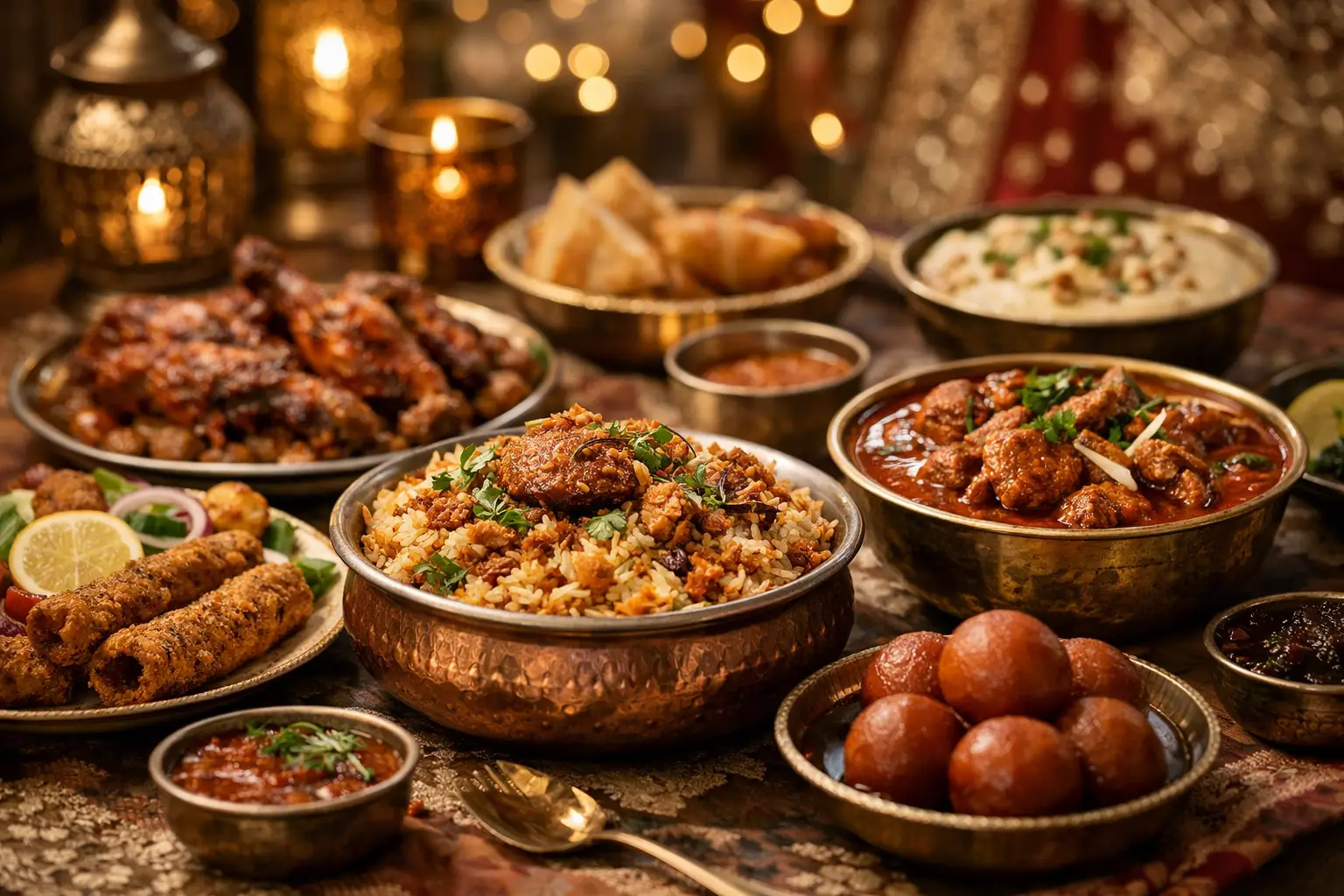
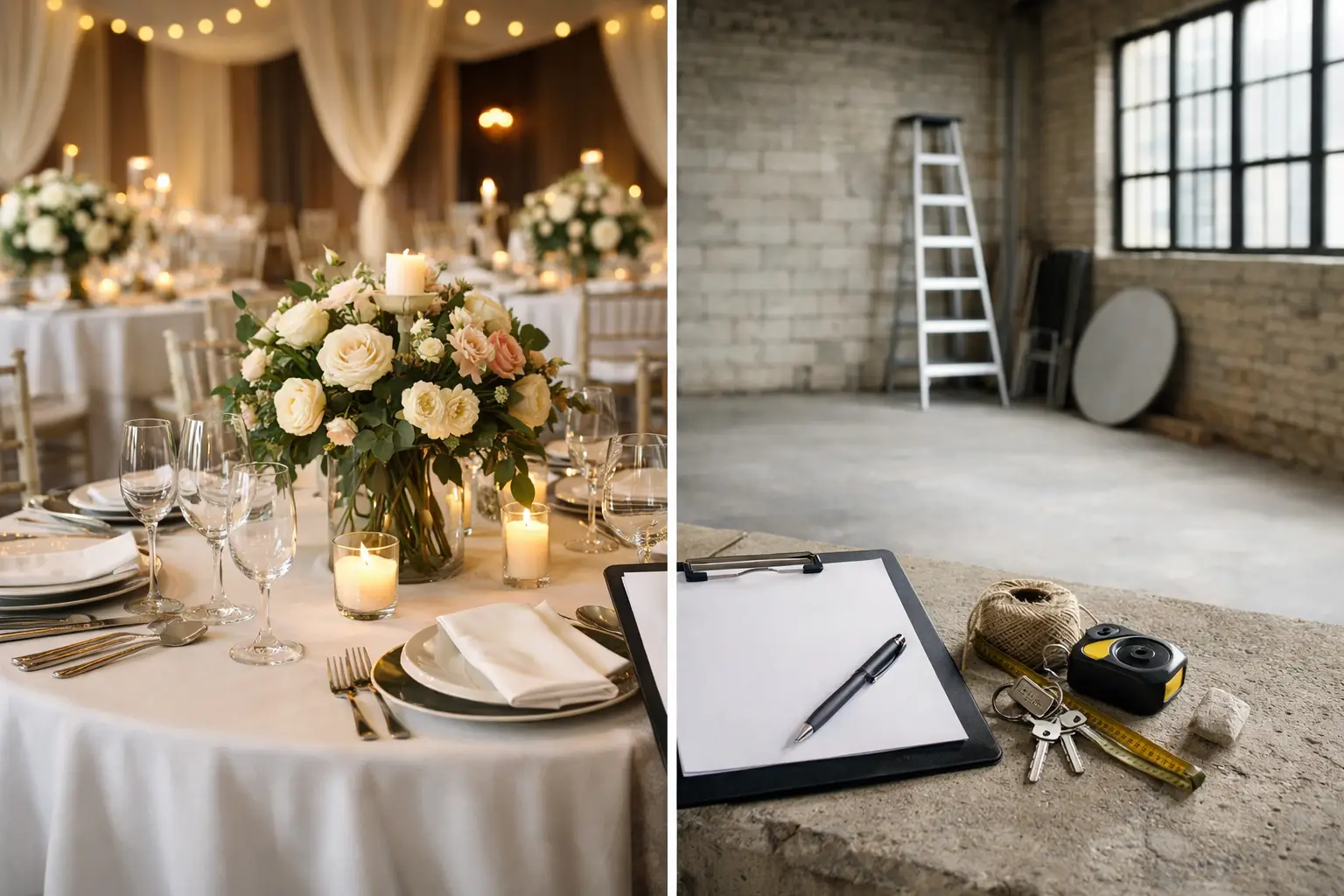
A Pakistani wedding meal is never simply a meal. It is a welcome, a family tradition and one of the clearest expressions of generosity a couple can offer their guests. The most successful Pakistani wedding menu ideas balance beloved flavours with thoughtful service, ensuring every generation at the table feels considered from the first canapé to the final cup of chai.

For large London and Essex celebrations, the right menu also has to work beautifully behind the scenes. It must arrive hot, look abundant, cater for varying spice preferences and keep the celebration moving at the right pace. With careful planning, your wedding feast can feel both deeply personal and effortlessly elegant.

Start With the Style of Celebration

Before selecting individual dishes, consider the atmosphere you want to create. A formal seated reception calls for a more structured sequence of starters, mains and desserts, often with plated presentation or carefully attended table service. A lavish buffet, meanwhile, suits larger guest lists and gives families the freedom to enjoy several regional dishes in one sitting.

A live-food station can bring theatre to the reception. The fragrance of freshly grilled kebabs, sizzling tawa dishes or warm naan being prepared in front of guests creates an immediate sense of occasion. This works particularly well for an evening walima or a reception with a contemporary, luxurious feel.

There is no single correct format. A buffet offers range and can be reassuring for guests with different tastes, while a plated meal feels more formal and can make service timings easier to manage. Many couples choose a refined combination: elegant canapés on arrival, a generous buffet for the main meal and a dessert station that invites guests to linger.

Pakistani Wedding Menu Ideas That Feel Generous

A memorable menu should have contrast. Rich, celebratory dishes need freshness alongside them, and spice needs to be balanced with milder options for children, older relatives and guests less familiar with South Asian cuisine.

Begin With an Impressive Welcome

The arrival course sets the tone before guests enter the dining space. Consider delicate chicken tikka bites, seekh kebabs, vegetable samosas and crisp fish pakoras served with mint yoghurt and tamarind chutney. These are familiar favourites, but their presentation can be elevated with elegant serving platters, attentive staff and carefully chosen garnishes.

For a more substantial reception opening, chaat stations are a wonderful choice. Pani puri, papri chaat and aloo tikki bring colour and interaction, although they are best suited to a venue with sufficient space and an experienced catering team. They should be prepared fresh and replenished regularly so the textures remain crisp rather than becoming soft during a busy arrival period.

Fresh fruit mocktails, rose milk, mango lassi or a sophisticated selection of non-alcoholic welcome drinks complement the food while respecting a halal celebration. The glassware and service matter here as much as the drink itself.

Build a Main Course With Depth

For many families, biryani is the centrepiece of the wedding table. A fragrant chicken or lamb biryani, layered with aromatic rice and warming spices, immediately signals celebration. It is wise to pair it with a second rice option, such as pulao or plain basmati rice, especially where guests include young children or those who prefer gentler flavours.

A traditional curry selection might include chicken karahi, lamb korma, butter chicken or a slow-cooked nihari. Chicken karahi offers bright, tomato-led spice and a sense of freshness, while lamb korma brings a milder, richer contrast. Nihari is wonderfully memorable for a winter wedding or a late-evening feast, but its depth and heat mean it is best balanced with lighter dishes elsewhere on the menu.

Do not treat vegetarian dishes as an afterthought. A beautifully prepared paneer dish, daal makhani, chana masala or mixed vegetable curry can become a favourite with every guest, not only those avoiding meat. Add seasonal salad, raita, pickles and a variety of naan or roti to create a table that looks abundant and allows each guest to build a plate they genuinely enjoy.

Honour Regional Flavours Without Overcrowding the Table

Pakistani cuisine carries distinct regional identities, and this can offer a meaningful way to personalise the menu. Families with Punjabi roots may favour karahi, saag and tandoori dishes. Those looking for bolder coastal notes may include a fish curry, while a menu inspired by Lahore street food could feature chaat, kebabs and rich grilled meats.

The key is restraint. A menu with too many heavy curries can feel repetitive, even if every dish is excellent. Select a few heroes, then give them room to shine. One signature family recipe, perhaps your mother’s preferred korma style or a cherished dish served at family Eid gatherings, can bring more emotional value than adding another six choices.

Taste preferences also vary between families. Some will expect a full traditional spread with deeply spiced dishes, while others may want a gentler menu that welcomes British and international guests with ease. A skilled halal caterer can retain authentic flavour without making every dish intensely hot. Heat can also be offered through chutneys, pickles and sauces, allowing guests to tailor their plate.

Make Space for Children and Mixed Guest Lists

A large wedding often brings together guests of all ages, backgrounds and dietary needs. This does not mean the menu needs to lose its identity. It means giving people a little more choice.

A mild chicken dish, plain rice, chips or a simple pasta option can make younger guests and less adventurous diners feel at ease. For vegetarian, vegan and gluten-sensitive guests, confirm ingredients and preparation methods well in advance. Shared service areas require particular care where allergens are concerned, so clear dish labels and knowledgeable staff are invaluable.

If your guest list includes family members travelling from abroad, consider the timing of the meal too. A late dinner may suit a lively evening reception, but elderly relatives and young children may appreciate more substantial food earlier in the programme. Canapés should be generous enough to bridge any gap between the ceremony and dinner, particularly if photographs or entrance celebrations run longer than expected.

Finish With a Dessert Worth Waiting For

Dessert is an opportunity to create a softer, more indulgent moment after a richly flavoured main course. Gulab jamun remains a wedding favourite for good reason: warm, syrupy and instantly recognisable. Pair it with kulfi, rasmalai or kheer for a dessert offering that feels rooted in tradition.

For a more contemporary finish, consider a dessert table combining Pakistani sweets with petite cakes, fruit tarts and chocolate treats. This works especially well when the wedding cake is displayed as part of the décor. Guests can enjoy a small traditional dessert after dinner, then return later for cake and coffee as the dancing continues.

A chai and coffee station is often one of the most appreciated details of the evening. Cardamom chai, doodh patti and quality coffee give guests a reason to pause, reconnect and savour the final part of the celebration. It is a simple addition, yet it carries the warmth and hospitality that make Pakistani weddings so special.

Plan the Service, Not Only the Dishes

The finest menu can be undermined by rushed queues, cooling food or unclear service. For a substantial guest list, ask how many buffet points will be provided and how the caterers will keep dishes at the correct temperature. Consider whether elderly guests will need table assistance, and whether children’s meals should be served separately before the main buffet opens.

Your table layout matters too. Keep food stations away from the busiest entrance routes, allow enough space for guests in formalwear to move comfortably, and position drinks where queues will not interrupt the flow of the room. At The Grove Banqueting, culturally informed planning and established halal catering partnerships help couples bring these practical details together without compromising the grandeur of the occasion.

A tasting is where the menu becomes real. Taste dishes together, discuss spice levels honestly and check portion sizes rather than choosing solely by description. It is also the moment to refine presentation, from the bread baskets and salad display to the serving bowls that will sit beneath your reception lighting.

The most beautiful wedding menus reflect the people at the heart of the day. Choose dishes that make your families smile, give every guest something delicious to enjoy and allow the generosity of your celebration to be felt in every carefully served plate.

A beautiful wedding reception should feel like a celebration from the moment your guests arrive, not a logistics project that follows you through the final weeks of planning. When weighing up a venue package versus dry hire, the right choice comes down to how much you want included, how much creative control you need and where you want to spend your time and budget.

For couples planning a large, culturally meaningful celebration in London or Essex, this decision carries particular weight. Catering must be trusted, décor needs to reflect your vision, family expectations matter, and every detail must work together on the day. Both options can create a spectacular occasion. The difference is in who coordinates the moving parts.

What is a venue package?

A venue package brings the core elements of your celebration together under one experienced team. Depending on the venue and package selected, this may include venue hire, a welcome reception, tables and chairs, tailored décor, halal catering, service staff, event management and planning support.

The principal advantage is clarity. Rather than sourcing each service separately, comparing multiple quotes and managing several supplier timelines, you have a joined-up plan with a single point of contact. This can be especially valuable for couples balancing work, family commitments and a detailed wedding vision.

At a premium venue, a package is not intended to make every wedding look the same. The strongest packages provide a polished foundation, then allow the celebration to be shaped around your guest numbers, menu preferences, traditions, colour palette and entertainment. A Pakistani or Bangladeshi halal menu, an elegant English wedding breakfast, or a vibrant Afro-Caribbean-inspired reception can each be presented with the same sense of occasion when the team understands the culture behind the celebration.

There is also reassurance in working with suppliers who know the space. Caterers understand the kitchen and service flow. Décor teams know which installations complement the room. Event staff are familiar with arrivals, speeches, prayer arrangements, photography timings and the pace of a full evening reception. That knowledge is often invisible to guests, which is precisely why it matters.

When a package offers the best value

A package is often the stronger choice when convenience, quality assurance and predictable planning are priorities. It can be particularly effective for couples with substantial guest lists, where coordinating food service, table layouts and hospitality independently becomes more complex.

Value is not simply about choosing the lowest headline price. A dry-hire quote may initially appear more affordable, but separate costs for caterers, waiting staff, crockery, furniture, styling, security, cleaning, coordination and supplier access can change the picture quickly. With a package, the inclusions are easier to see from the outset, allowing families to make decisions with greater confidence.

It is still wise to ask for a clear breakdown. Find out what is included in the menu, drinks service, décor, staffing hours, set-up and finishing time. Ask about guest minimums, menu upgrades and any items that are priced separately. Transparent conversations early on protect both your budget and your peace of mind.

What does dry hire mean for a wedding venue?

Dry hire means you secure the venue space and then bring in your own suppliers. You may choose your own caterer, decorator, production team, wedding planner, cake designer and entertainers, subject to the venue’s policies and practical requirements.

For some couples, that freedom is the attraction. Perhaps you have a family caterer whose food is central to the celebration, a trusted florist with a distinctive style, or a planner already overseeing a highly bespoke event. Dry hire can give you the room to build every element around those relationships.

It can also suit weddings with a very particular creative direction. If you are planning an elaborate stage design, a specialist cultural performance or a menu that requires a specific culinary team, selecting suppliers individually may feel like the natural route.

That flexibility comes with responsibility. You or your planner will need to ensure every supplier has the correct arrival time, access details, insurance where required, equipment, staffing and collection arrangements. You will also need to check who is responsible for turning the room around, clearing waste, managing the bar, handling guest flow and resolving last-minute changes.

The questions dry-hire couples should ask

Dry hire works beautifully when there is a clear plan behind it. Before booking, establish whether the venue has an approved supplier list, restrictions on external catering, kitchen access rules and requirements for halal preparation. If food is central to your day, ask practical questions about refrigeration, reheating facilities, serving equipment and the number of staff needed for your guest count.

You should also understand the full event schedule. How long do suppliers have to set up? Can décor be installed the day before? What time must the room be cleared? Are tables, chairs, linen, crockery and glassware included, or must they be hired separately? These details are not glamorous, but they protect the effortless elegance you want guests to experience.

For a Muslim wedding, consider prayer space, privacy requirements and the service style that will best suit your families. For South Asian and Afro-Caribbean celebrations, ask how the venue accommodates energetic entrances, live music, dancing, stages, family photography and generous hospitality. A flexible room is valuable, but a venue team that understands how these moments unfold is more valuable still.

Venue package versus dry hire: the real trade-off

The choice is less about right or wrong and more about where you want flexibility. A venue package offers flexibility within an established, professionally coordinated framework. Dry hire gives wider supplier freedom, but requires more hands-on management.

If you picture yourselves making choices from a trusted menu of catering, décor and hospitality options, then enjoying the reassurance that the team is bringing it all together, a package is likely to feel more comfortable. You retain personal touches while reducing the risk of gaps between suppliers.

If you already have a capable planner, a settled supplier team and a highly defined vision that does not fit a standard offering, dry hire may be the better fit. The key is to budget for coordination as well as design. The most memorable weddings appear relaxed because someone has carefully managed the detail behind the scenes.

There is a middle ground, too. Many couples choose a venue that offers both routes, then combine selected in-house services with a few external specialists. You might use the venue’s established halal catering and service team while appointing your own florist, entertainment or cake designer. This approach can preserve the familiar quality controls of a package while allowing meaningful personal expression.

Choosing around your priorities, not pressure

Start with the experience you want for yourselves and your guests. If your priority is a refined reception, authentic cuisine, beautiful décor and the confidence that a knowledgeable team is overseeing the day, ask for a package proposal that reflects your traditions rather than a generic template.

If your priority is complete supplier choice, build a dry-hire budget that includes every operational cost, not only the venue fee. Give yourself enough time to appoint professionals who communicate well with one another and have experience of events on your scale.

A viewing is the moment to look beyond the ballroom itself. Consider guest parking, accessibility for older relatives, arrival space, catering facilities, the flow between ceremony and reception, and how comfortable the venue feels for your families. The Grove Banqueting is designed to offer this balance: an elevated setting with the cultural awareness and planning support that significant celebrations deserve.

Your wedding should reflect your story, not force you into someone else’s formula. Whether you choose a thoughtful package, dry hire or a carefully tailored blend of both, choose the option that gives you confidence to be fully present when the celebration begins.

The best halal wedding menu ideas do more than satisfy a guest list. They set the rhythm of the celebration: the fragrance that welcomes relatives into the room, the shared dishes that bring generations together, and the final sweet note before the dancing begins. For a large, detail-rich wedding, food should feel generous, beautifully presented and completely considered – never like an afterthought.

A memorable halal menu begins with authenticity, but it does not need to follow one formula. A Pakistani or Bangladeshi banquet may be exactly right for one family, while another may want British favourites, Afro-Caribbean flavour, or a refined blend of cuisines that reflects both sides of the couple. The finest choice is one that honours your heritage, suits the season and gives every guest a warm, confident welcome.

Best Halal Wedding Menu Ideas That Feel Personal

Begin with a graceful reception selection

The arrival period is often longer than couples expect. Guests are greeting family, taking photographs and finding their tables, so elegant canapés and welcome drinks make a meaningful difference. Think mini lamb seekh kebabs, chicken tikka bites, vegetable samosas and delicate chaat cups for a South Asian-inspired reception. These are familiar, easy to enjoy while standing and full of colour.

For a more contemporary feel, pair those flavours with halal sliders, smoked salmon blinis where suitable for your catering requirements, or crisp halloumi and roasted pepper skewers. A mocktail station can feel equally celebratory: rose and lychee coolers, mango mojitos, passionfruit spritzes and spiced chai served later in the evening all bring a sense of occasion without compromising a dry celebration.

The key is restraint. A reception selection should keep guests comfortable, not leave them too full for the main banquet. Four to six well-executed choices are usually more elegant than an overcrowded display.

Create a Pakistani or Bangladeshi banquet with depth

For many Muslim weddings, a traditional South Asian meal is the emotional heart of the day. It carries family memories and signals true hospitality. Fragrant chicken biryani, slow-cooked lamb curry, butter chicken, nihari or a rich bhuna can form the centrepiece, accompanied by pilau rice, fresh naan, salad, raita and chutneys.

Balance is what makes this menu feel luxurious. If the main dishes are richly spiced, include a lighter grilled fish dish or a fresh tandoori chicken option. A vegetarian curry such as palak paneer, chana masala or mixed vegetable jalfrezi ensures the menu is thoughtful rather than simply extensive. Authentic recipes, carefully managed spice levels and attentive service matter more than adding dish after dish.

For families planning a sizeable celebration, a live naan or chaat station can create theatre without interrupting the flow of service. It gives guests a fresh, interactive moment and allows the banquet to feel abundant from the first course to the last.

Pair British classics with halal hospitality

A halal wedding menu can also embrace familiar British dishes with real polish. This is a particularly lovely option for multicultural guest lists or couples seeking a formal reception with broad appeal. Consider herb-roasted halal chicken with dauphinoise potatoes and seasonal vegetables, or slow-braised halal beef with a rich jus, creamy mash and honey-roasted carrots.

Fish can be a refined alternative, particularly for spring and summer weddings. Pan-seared sea bass with a citrus dressing, herb-crusted salmon or a delicate vegetarian Wellington all sit beautifully within a plated dining experience. Follow with a warm sticky toffee pudding, an elegant chocolate mousse or an Eton mess-style dessert made without alcohol-based ingredients.

Plated dining offers a more formal pace, which can work wonderfully for a smaller guest count or a reception with speeches between courses. For larger weddings, a premium buffet may offer greater flexibility and allow guests to choose what suits them best. Neither approach is automatically better; it depends on your numbers, timetable and the atmosphere you want to create.

Bring Afro-Caribbean warmth to the table

Afro-Caribbean wedding menus are made for joyful, generous celebrations. Jerk chicken prepared with halal ingredients, curry goat, grilled fish, rice and peas, plantain, callaloo and macaroni pie can deliver both comfort and celebration in every serving. These dishes are full of personality and invite guests to return for another taste.

For a polished banquet presentation, balance vibrant main dishes with thoughtfully arranged sides and fresh salads. A jerk chicken station can be paired with a milder grilled chicken option for younger guests or those who prefer less heat. A vegetarian curry, vegetable rundown or a coconut-based bean dish provides substantial choice rather than a token alternative.

Dessert is an opportunity to continue the story. Rum-free Caribbean cake, coconut tart, pineapple upside-down cake and fruit platters can be served alongside tea, coffee and a late-evening hot chocolate station. When the menu is rooted in family tradition, these smaller details are often the ones guests remember most clearly.

Build the Best Halal Wedding Menu Ideas Around Your Guests

A spectacular menu should cater for the people in the room, not just look impressive on paper. Children, elderly relatives, guests with allergies and those with vegetarian or vegan diets all deserve to be included in the planning. Ask your venue or caterer how dishes are labelled, how allergens are managed and whether separate preparation areas can be arranged where needed.

Vegetarian and vegan choices should have the same care and visual appeal as the main menu. A well-spiced aubergine dish, roasted vegetable tagine, paneer entrée or seasonal vegan tart can be genuinely desirable, rather than an option guests feel obliged to accept. It is also sensible to include a simple children’s plate, such as grilled chicken with chips or mild pasta, particularly if many young families will attend.

Portion planning deserves equal attention. A lavish buffet is part of the experience at many Asian and Afro-Caribbean weddings, but excess food can create avoidable waste and complicate service. An experienced catering team will help you decide where abundance matters most: perhaps a generous main buffet, then beautifully portioned desserts and a focused late-night snack.

Add one live station guests will talk about

Live catering creates a natural focal point, especially during a room change, between ceremony and reception, or later in the evening. The most successful stations are not chosen just because they are fashionable. They should fit the wider menu and make practical sense for your guest numbers.

A sizzling mixed grill station suits a South Asian feast, while a fresh pasta counter, taco station with halal fillings, or a dessert bar with waffles and ice cream may be ideal for a more contemporary celebration. For a winter wedding, a karak chai and mini dessert station creates warmth and calm after a lively dance floor. In summer, falooda, kulfi or mocktail stations feel festive and refreshing.

One excellent live station has more impact than several competing concepts. It gives guests a memorable experience while preserving the elegant flow of the evening.

Do not forget the late-night service

By the time the final dances begin, guests who arrived early may have been celebrating for many hours. A late-night offering is a practical kindness and a chance to introduce a more relaxed, playful dish. Mini burgers, halal chicken wraps, masala chips, pizza slices, gourmet doughnuts or a small biryani service are all popular options.

This is also where personal touches work particularly well. A couple with a shared love of street food might serve a curated chaat selection. A bride and groom who met over coffee could offer barista-style hot drinks with biscuits. The gesture does not need to be elaborate; it simply needs to feel true to your celebration.

Make Service Part of the Experience

The most carefully chosen dishes can lose their impact if service is rushed, unclear or poorly timed. Confirm when canapés will be served, how long the main meal will take, whether food will remain replenished and when dessert will appear in relation to speeches, cake cutting and entertainment. At a large wedding, these details are the difference between a room that feels calm and cared for, and one that feels delayed.

At The Grove Banqueting, culturally informed planning helps couples bring together authentic halal cuisine, elegant presentation and the practical demands of a high-capacity celebration. Whether you choose an all-inclusive banquet or prefer the flexibility of trusted external suppliers, the menu should feel as considered as the décor, music and hospitality surrounding it.

Choose dishes that invite your families to recognise themselves in the celebration, while giving every guest something delicious to discover. That is how a wedding meal becomes more than a menu: it becomes part of the memory your guests carry home.

The nikah may be complete, but the walima is where your first celebration as a married couple truly opens its doors. Knowing how to host a walima means balancing a generous welcome, meaningful faith-led traditions and the polished hospitality your families expect. Done well, it feels less like an event to manage and more like an elegant gathering where every guest shares in your happiness.

Begin with the purpose of the walima

A walima is the wedding reception traditionally hosted by the groom following the nikah. At its heart, it is an act of gratitude, hospitality and public celebration of the marriage. The scale can vary greatly: some couples choose an intimate lunch with their closest relatives, while others plan a grand evening reception for several hundred guests.

There is no single formula for a perfect walima. What matters is that the occasion reflects your values, accommodates the people dearest to you and allows both families to celebrate with comfort and dignity. Begin by agreeing what kind of atmosphere you want to create. Perhaps you picture a refined seated dinner with soft florals and a formal entrance, or perhaps a lively, family-centred gathering with vibrant décor, generous sharing platters and an energetic programme.

Once that vision is clear, the practical decisions become much easier. Your guest count, venue layout, catering style, timings and entertainment should all support the feeling you want guests to take home.

Set a guest list and budget that work together

Guest numbers shape nearly every part of the reception. Before committing to a venue or menu, create an initial list that includes immediate family, wider relatives, friends, colleagues and any community guests your family wishes to invite. It is useful to separate essential guests from those you would love to include if capacity allows.

Then establish a realistic overall budget. Account for venue hire, halal catering, décor, photography and videography, bridal styling, cake, invitations, transport, entertainment and contingency spending. Families may wish to contribute in different ways, so having an early, respectful conversation avoids uncertainty later.

An all-inclusive package can make this stage considerably calmer. Rather than coordinating several separate contracts, couples can have catering, tablescapes, venue styling and planning support brought together under one experienced team. Dry hire can be the right choice when you have trusted suppliers or a very specific creative vision, but it does require more time and confident coordination.

Choose a venue that welcomes every guest

The right setting should feel beautiful in photographs, but it must also perform well on the day. A spacious ballroom, considered lighting and a statement entrance create the sense of occasion a walima deserves. Equally, think about the experience for guests arriving in formalwear, elderly relatives, young children and family members travelling from across London or Essex.

When viewing venues, ask about capacity for your preferred seating style, separate reception areas, accessibility, prayer arrangements, parking and the time available for supplier set-up. A venue that looks impressive online can feel cramped once a stage, dance floor, dessert station, photographer and a large guest list are added.

Consider the flow of the celebration too. Guests should be able to arrive comfortably, greet the couple, find their tables and move easily between dining, prayer and photo areas. Good venue planning is often invisible, which is exactly why it makes the day feel so effortless.

Make faith-sensitive details part of the plan

For many Muslim couples, faith-sensitive planning is not an added extra. It is central to hosting with care. Confirm that all food and drinks are halal, including canapés, desserts and any external catering elements. If prayer facilities are required, choose a clean, private area and make timing clear to your coordinator.

You may also wish to consider separate seating arrangements, a women-only space for certain parts of the celebration, or entertainment that suits your family’s preferences. There is room for each couple to make these choices in their own way. The priority is to work with a team that listens without making assumptions.

Plan the walima menu around generosity

Food is often the most remembered part of a walima. It is where hospitality becomes tangible: a fragrant welcome, a beautifully presented meal and the reassurance that every guest has been served well. For larger celebrations, a plated meal offers formality and an orderly service. A buffet or family-style menu can create abundance and encourage conversation, though it needs careful service planning to avoid long queues.

Authentic Pakistani and Bangladeshi cuisine remains a much-loved choice, from delicately spiced starters and rich curries to biryani, grilled dishes and traditional desserts. A menu can also blend cultural favourites with contemporary British dishes or Afro-Caribbean influences where that better reflects the couple and their families.

Ask your caterer how they handle dietary requirements, children’s portions and late service for suppliers. Arrange a tasting where possible, and do not judge only the flavour. Notice presentation, portion size, service temperature and whether the menu feels fitting for the season and time of day. A winter evening walima may call for warming, indulgent dishes, while a summer celebration can feel especially elegant with lighter starters and refreshing drinks.

Create a setting that feels personal

A walima does not need excessive decoration to feel luxurious. The most memorable rooms usually have a clear design story: a refined colour palette, balanced floral arrangements, considered table settings and a stage that frames the couple beautifully.

Start with the elements guests will see most. Your stage or sweetheart table, entrance display, centrepieces and lighting carry the visual impact of the room. Soft ivory and gold offer timeless elegance, while deep emerald, burgundy, blush or sapphire can bring warmth and personality. Cultural elements, such as patterned textiles, meaningful signage or family heirlooms, can add character without making the scheme feel overcrowded.

Be practical with décor choices. Tall centrepieces look dramatic but should not stop guests speaking across the table. Candlelight is romantic, but venue safety rules may affect what is possible. If you are planning an outfit change, ensure the stage styling complements both looks rather than only one.

Build a calm, well-paced celebration

A beautifully planned walima has rhythm. Guests should know what is happening without feeling hurried from one moment to the next. Share a clear schedule with your venue, caterer, photographer, videographer, MC and close family members.

A typical reception might begin with guest arrival and refreshments, followed by the couple’s entrance, a welcome or short dua, dinner, speeches, cake cutting and photographs. Not every walima needs every element. Some families prefer a simple programme centred on dining and conversation, while others enjoy a formal entrance, nasheed performance or carefully chosen family speeches.

Keep speeches warm and concise. Long gaps before food service can affect the atmosphere, particularly for elderly guests and children. If photographs are important, schedule a short family portrait window before the room becomes busy, then allow yourselves time to sit, eat and enjoy the celebration rather than spending the entire evening posing.

Give one person authority on the day

Couples should not be answering supplier calls while greeting guests. Appoint a trusted family member, planner or venue coordinator as the main point of contact. Give them the final timeline, supplier numbers, seating plan and a short list of priorities, such as reserving meals for the couple, guiding elderly relatives and checking that gifts are stored securely.

This one decision can protect the joy of the day. Small questions will still arise, but they can be resolved quietly by someone who understands the plan.

Host with warmth, not pressure

The desire to make every detail perfect can become heavy, especially when many relatives are involved. Choose the traditions that genuinely matter to you, make space for your families’ wishes where you can, and let go of details guests are unlikely to notice. Your guests will remember the welcome they received, the meal they shared and the happiness in the room far more than whether every napkin fold matched the original plan.

For couples seeking a polished setting with culturally informed support, The Grove Banqueting brings together elegant spaces, halal hospitality and experienced coordination for celebrations across East London and Essex. The finest walima is one where you are free to receive your guests with a full heart, knowing the practical details are already being looked after.

A beautiful wedding should feel unforgettable for the right reasons. Yet for many couples and families, the pressure begins long before the first guest arrives – comparing caterers, chasing decorators, managing timings, and trying to make every tradition sit perfectly within one day. That is exactly why all inclusive wedding packages have become such a valued choice for modern celebrations. They bring elegance, structure, and reassurance together, without losing the personal touches that make your wedding yours.

For couples planning in London, Romford, Essex and the surrounding areas, the appeal is clear. A wedding is rarely just a booking for a room. It is a carefully layered event involving food, faith, family expectations, guest experience, presentation, and precise coordination. When those elements are brought together under one experienced venue team, the result is not simply convenience. It is confidence.

Why all inclusive wedding packages appeal to modern couples

The strongest wedding planning decisions are often the ones that remove unnecessary strain. An all-inclusive package does exactly that. Instead of sourcing every part of the day separately, couples can work with a venue that has already built a trusted structure around the event. Venue hire, catering, décor, service, and planning support are considered together rather than in isolation.

This matters even more for large guest lists and culturally significant celebrations. South Asian Muslim weddings, British receptions, and Afro-Caribbean events often include detailed timelines, multiple family priorities, and specific hospitality expectations. In those settings, separate suppliers can create more room for confusion. A joined-up package helps protect the flow of the day.

There is also a financial advantage, although it depends on the venue and the specification. All-inclusive does not always mean cheaper in every circumstance, but it often means better value for the quality, coordination, and time saved. Premium couples are not simply buying products. They are investing in calm, consistency, and polished execution.

What all inclusive wedding packages usually include

The best all inclusive wedding packages cover far more than tables and a dance floor. They are designed to create a complete guest experience, from the moment people arrive to the final farewell.

Venue hire is the foundation, but the real value sits in what comes with it. This often includes event set-up, staffing, table arrangements, lighting, and the operational support required to run a sizeable celebration smoothly. For families hosting hundreds of guests, details such as parking, accessibility, and arrival flow are not minor extras. They shape the entire atmosphere of the day.

Catering is usually one of the most important elements within the package. For many couples, especially those planning halal weddings, confidence in the food is non-negotiable. Authentic cuisine, generous service, and an understanding of cultural dining expectations can transform a reception from visually impressive to genuinely memorable. Pakistani and Bangladeshi menus, for example, require more than a standard events kitchen. They require expertise, consistency, and respect for flavour, presentation, and dietary requirements.

Décor is another major part of the package. A luxury wedding should feel cohesive, not pieced together. When the venue and décor team work in harmony, colour palettes, stage design, centrepieces, table styling, and room layout can be planned with the space itself in mind. That creates a more refined finish and avoids the mismatch that can happen when styling is designed without full knowledge of the venue.

Planning support is often the element couples underestimate at the start and value most as the date approaches. Guidance on timelines, supplier logistics, room transitions, and guest management can make the difference between a day that feels rushed and one that feels effortless.

The difference between convenience and compromise

There is a common concern that packaged weddings may feel restrictive. In some venues, that can be true. A package is only worthwhile if it still leaves room for personality, tradition, and family preference.

That is why flexibility matters. Some couples want a fully managed experience with catering and décor arranged through the venue. Others prefer the reassurance of a premium space but would like to bring in their own specialists, whether for self-catering, a particular style of production, or community-based suppliers. A strong venue understands both approaches.

True luxury is not about forcing every couple into the same format. It is about offering a polished structure that can be tailored with care.

Choosing the right package for your wedding style

Not every wedding needs the same level of inclusion. The right package depends on your guest count, traditions, service style, and how involved you want to be in the planning.

If you are hosting a formal reception with a large guest list, a comprehensive package usually makes the most sense. These events benefit from central coordination because timing, catering service, seating plans, and staging all need to work together. The more moving parts involved, the more valuable an experienced in-house team becomes.

For couples planning faith-sensitive events, the package should also reflect practical religious considerations. Halal catering, prayer space, modesty preferences, and family seating arrangements are not side notes. They should be understood from the outset and managed with quiet professionalism.

If your priority is creative control, a flexible venue with dry hire options may be more suitable. That does not mean giving up the advantages of a premium setting. It simply means choosing where you want support and where you want independence. The most thoughtful venues recognise that convenience without compromise sometimes means offering both.

The role of cultural understanding in wedding packages

A wedding package is only as strong as the team delivering it. This is especially true for multicultural celebrations, where traditions shape the structure of the day as much as the schedule does.

A British wedding breakfast, a Muslim wedding reception, a Mendhi event, or an Afro-Caribbean celebration each carries its own rhythm, expectations, and moments of significance. Food service timing may need to fit around religious observance. Entrances may need to be staged carefully. Family hierarchy may influence seating, greetings, and hosting decisions. These things cannot be improvised well on the day.

When a venue has genuine experience with culturally tailored weddings, couples do not need to spend their planning journey explaining every custom from the beginning. That shared understanding brings reassurance to both the couple and their families. It also allows the event team to anticipate needs before they become problems.

This is where a premium venue such as The Grove Banqueting stands apart. The standard is not just visual luxury. It is the ability to pair elegant surroundings with operational fluency across diverse wedding traditions.

Questions worth asking before you book

Before choosing between all inclusive wedding packages, it is worth looking past the headline price. Ask what is actually included, who delivers each service, and how much customisation is possible.

You will want to understand whether catering is prepared to the right standard for your community and guests, whether décor can be adapted to your vision, and how the venue handles supplier coordination. It is also sensible to ask about guest logistics such as parking, accessibility, arrival times, and how the team manages large numbers efficiently.

If you are comparing a package with dry hire, think honestly about your time and appetite for planning. Dry hire can work beautifully for couples with a strong supplier network and the time to manage it. A package can be the better choice for those who want a more protected process with fewer variables.

The key is not choosing the option that sounds most impressive on paper. It is choosing the one that gives you the right balance of beauty, control, and peace of mind.

When an all-inclusive package is the better investment

A wedding package tends to deliver the greatest value when the celebration is large, detail-heavy, and emotionally significant to multiple generations. In those cases, the event is not just about style. It is about trust.

A venue-led package creates one clear framework for hospitality, food, presentation, and timing. That can reduce stress for parents, simplify decisions for the couple, and create a more consistent standard across the whole event. It also protects the guest experience, which is often what families remember most keenly.

There are, of course, times when a simpler arrangement is enough. Smaller receptions or highly bespoke events may need a different structure. But for couples seeking a luxury celebration with cultural understanding and practical support built in, a well-designed package often offers the strongest route to perfection.

The best weddings feel personal, not because every element was sourced separately, but because every element worked beautifully together. If your venue can offer that kind of effortless elegance while respecting your traditions, your food, and your family priorities, you are not just booking a package. You are giving your celebration the space to become a masterpiece.

The moment guests walk into your wedding reception venue, they decide how the evening will feel. Before the first course is served, before speeches begin, before the dance floor fills, the room has already set the tone. For couples planning a celebration that must feel elegant, welcoming and flawlessly managed, the venue is never just a backdrop. It is the foundation of the entire day.

That matters even more when your wedding brings together tradition, family expectations and a substantial guest list. A beautiful space is essential, but beauty on its own is not enough. The right setting needs to support the way you celebrate, the food you want to serve, the atmosphere you want to create and the practical details that make everything run smoothly.

What makes a wedding reception venue truly exceptional

A premium wedding reception venue should do two things at once. It should create immediate visual impact, and it should make the logistics feel effortless. Couples often begin by looking at chandeliers, staging, décor potential and the overall finish of the room. Those details matter because they shape first impressions and wedding photography. But behind that polished presentation, the strongest venues are also designed to handle real event pressure.

That means enough space for your guest count to feel comfortable rather than crowded. It means a layout that allows for a grand entrance, a head table, dining, speeches and dancing without constant compromise. It also means experienced coordination, so timings stay on track and suppliers can work efficiently behind the scenes.

The best venues understand that a wedding reception is not one moment. It is a sequence of moments, each with its own practical demands. Guests arrive. Families gather. Food is served. Formalities begin. Children need space. Older relatives need comfort. The evening shifts from ceremony to celebration. A truly exceptional venue supports every part of that rhythm.

How to judge a wedding reception venue beyond the photographs

Online galleries can be helpful, but they rarely tell you how a venue performs on the day itself. A room may look impressive in staged images, yet feel very different when filled with 300 or 400 guests. That is why a viewing matters.

When you visit, pay attention to scale. Ask whether the room suits your expected numbers comfortably, not just at maximum capacity. A venue can technically hold a guest list without delivering the sense of ease you want. Large weddings need careful spacing, especially if you are planning a dance floor, sweetheart stage, photo area or entertainment.

Look closely at guest flow as well. Can people move easily from arrival to seating? Is there a natural place for mingling? Are washrooms accessible and well maintained? Is there sufficient parking? These details may sound secondary while you are choosing linens and floral palettes, but on the day they shape the guest experience in a very direct way.

Then there is the question of support. Some venues simply hire out the space. Others provide meaningful planning assistance, supplier coordination and on-the-day structure. Neither model is automatically better. It depends on how involved you want to be and how many moving parts your reception includes. For many couples and families, especially those balancing work, extended family input and cultural traditions, a venue with experienced support can remove an enormous amount of pressure.

Catering, culture and confidence

Food is one of the clearest reflections of hospitality. In many weddings, it is also one of the most discussed parts of the celebration long after the evening ends. Choosing a wedding reception venue with strong catering options can simplify planning considerably, but quality and authenticity matter just as much as convenience.

If your wedding requires halal catering, regional cuisine or menus that reflect family tradition, the venue should understand that this is not a minor preference. It is central to the experience. Couples planning Asian and Muslim weddings, in particular, often need a setting that can combine luxury presentation with genuine knowledge of halal service, family-style hospitality and large-scale dining. The same principle applies to British receptions with formal dining expectations, and to Afro-Caribbean celebrations where flavour, generosity and atmosphere carry deep importance.

A venue that already works with trusted culinary teams has a clear advantage. It reduces the risk of miscommunication, preserves service standards and helps ensure that the food arrives as intended. That said, flexibility can be equally valuable. Some families want to bring in their own caterers or self-cater for personal, cultural or budget reasons. A strong venue recognises that convenience without compromise sometimes means offering both all-inclusive support and dry hire options.

Décor matters, but so does the room itself

Every couple wants a reception that feels distinctive. The décor should reflect your taste, your story and the tone of your celebration. Yet one of the most common planning mistakes is relying on décor to compensate for a venue that is only average to begin with.

A premium room should already have presence. High ceilings, elegant lighting, a refined finish and a well-designed layout give your suppliers something substantial to work with. When the venue itself is polished, décor becomes enhancement rather than rescue.

This also gives you more flexibility. Some couples want opulent floral installations and dramatic staging. Others prefer a cleaner, more understated look with timeless detailing. A well-appointed venue can support both. It should feel like a masterpiece when fully dressed, but it should also retain its sophistication if you choose restraint.

Ask how much freedom you have with styling and whether the team has established décor partners. Familiarity between venue and decorator often leads to smoother installation, better timing and fewer surprises. That kind of coordination is rarely visible in photos, but it can make the difference between a stressful set-up and effortless elegance.

The value of a venue that understands tradition

For many couples, planning a wedding is not simply about personal taste. It is also about honouring family, faith and heritage. That can affect everything from seating arrangements and prayer considerations to the style of service and the order of events during the reception.

This is where cultural fluency becomes invaluable. A venue team that understands different wedding traditions will spot practical needs before they become problems. They will appreciate that some celebrations require more time for arrivals, larger family groupings, separate spaces at key moments or specific approaches to food and hospitality. They will understand that respect is expressed through details.

That knowledge creates confidence. Families feel heard. Couples feel supported. The planning process becomes calmer because you are not constantly translating your expectations. For multicultural weddings, that reassurance is every bit as important as luxury finishes.

In venues such as The Grove Banqueting, that balance between presentation and understanding is exactly what many modern couples are looking for – a setting that feels polished and premium, but never disconnected from the traditions that matter most.

Practical details that protect the experience

Luxury is often judged by atmosphere, but it is sustained by practical competence. Easy access, reliable parking, attentive staffing and a team that can manage the pace of a large event all contribute to the sense that the day is in safe hands.

Location matters here. A venue within easy reach of East London, Romford, Essex and surrounding areas gives guests a better experience from the start. Travel should feel straightforward, particularly for elderly relatives and families with children. If guests arrive stressed, late or unable to park, that tension enters the room with them.

It is worth asking how the venue handles timings, supplier arrivals, room turnarounds and last-minute changes. Weddings are emotional occasions, and even the best-planned events need adaptability. An experienced team brings calm, which is often the unseen ingredient behind a reception that appears completely effortless.

Choosing with head and heart

The right venue should impress you emotionally and reassure you practically. If you love the room but feel uncertain about catering, coordination or guest comfort, keep asking questions. If the logistics look excellent but the space does not feel special enough for the occasion, that hesitation is also worth listening to.

A wedding reception venue should give you confidence from both directions. It should feel worthy of the promises you are celebrating, and capable of carrying the weight of the day without friction. When that balance is right, planning becomes clearer. Decisions feel easier. The celebration begins to take shape as something joyful rather than overwhelming.

Choose the space that allows you to host generously, celebrate beautifully and welcome every guest with confidence. When the venue is right, the whole day feels lighter, and that is exactly how the start of married life should feel.

The moment the nikah is complete, the reception becomes more than a party. It is the first public expression of your marriage – a gathering shaped by faith, family, hospitality, and the atmosphere you want guests to remember long after the final farewell. If you are wondering how to plan a nikah reception, the key is to balance spiritual meaning with polished execution, so the day feels elegant, respectful, and genuinely joyful.

A beautiful nikah reception rarely comes together by chance. It works because the practical decisions are made early, the right people are involved at the right time, and every detail supports the experience you want to create. Whether you are planning an intimate celebration or a grand event for several hundred guests, the same principle applies: clarity first, then refinement.

Start with the shape of the celebration

Before you compare menus or discuss stage designs, decide what kind of reception you are actually hosting. Some couples want a formal post-nikah banquet with a clear programme, a seated meal, speeches, and a strong sense of occasion. Others prefer a more relaxed gathering with lighter hosting, shorter formalities, and more room for guests to socialise.

This decision influences everything else – your budget, venue style, catering format, décor, timings, and even your guest list. It also helps families align expectations early. That matters, especially when different generations may picture the event quite differently.

Think carefully about whether your reception is taking place on the same day as the nikah or as a separate event. A same-day celebration can feel efficient and emotionally powerful, but it places greater pressure on timing, outfit changes, photography, and guest management. A separate reception offers more breathing space and often allows for a more luxurious experience, but it may increase overall costs.

How to plan a nikah reception budget without losing the feeling

Luxury does not always mean excess. In reception planning, it often means putting your budget where guests will notice it most.

The venue, food, service, and overall atmosphere tend to shape guest experience more than novelty extras. If your setting is elegant, your catering is memorable, and the event runs smoothly, the reception already feels elevated. By contrast, a long list of add-ons can look impressive on paper while adding very little to the day itself.

It helps to separate your spending into essentials and enhancements. Essentials include the venue, catering, seating, décor foundations, staffing, and any faith-sensitive requirements. Enhancements might include a statement entrance, upgraded floral work, bespoke desserts, a content creator, or specialist entertainment where appropriate.

There are trade-offs here. If you have a large guest list, your catering and venue costs will naturally absorb more of the budget, so styling choices may need to be more selective. If you are keeping numbers smaller, you may have greater freedom to invest in premium finishes and a more personalised guest experience.

Choose a venue that understands the occasion

A nikah reception venue should do more than look impressive in photographs. It needs to work operationally for your families, your timetable, your caterers, and your guests.

Accessibility matters. So does parking. So does the ease with which older relatives can move through the space and settle comfortably. If many of your guests are travelling from across London or Essex, location quickly becomes part of the overall hospitality.

Just as important is cultural understanding. A venue experienced in Muslim weddings will already appreciate the importance of halal catering, prayer considerations, family hosting styles, and the flow of a celebration where tradition and presentation both matter. That familiarity reduces stress in ways couples often underestimate at the beginning.

If you are considering an all-inclusive package, ask exactly what is covered and where flexibility sits. Some couples want the convenience of coordinated catering, décor, and planning support. Others want the venue but prefer to bring in their own trusted suppliers. Neither route is better in every case. It depends on how involved you want to be and how much oversight your families expect.

Build the guest list with intention

Guest lists are one of the most sensitive parts of nikah reception planning because they are rarely just about numbers. They reflect family relationships, community expectations, and the kind of atmosphere you want in the room.

A large reception can feel vibrant, generous, and deeply celebratory. It also requires firmer planning around seating, service timing, and arrival management. A more curated guest list can create a calmer, more refined setting, but may involve difficult conversations if relatives expect a broader invitation.

It helps to decide early how guests will be grouped and hosted. Think about immediate family, elders, close friends, community figures, and out-of-town guests. These decisions affect your floor plan, stage positioning, and how naturally the room comes together on the day.

If children will attend, plan for them properly rather than treating them as an afterthought. Family weddings often include them, and a reception that accommodates them gracefully feels more generous and complete.

Plan the timings around comfort, not just tradition

One of the most overlooked parts of how to plan a nikah reception is pacing. A reception can have exceptional décor and outstanding food, yet still feel disjointed if the timings are not well judged.

Begin with your non-negotiables. That may include the nikah ceremony itself, prayer times, travel time between locations, photography, outfit changes, and the meal service. Once those are fixed, build the rest of the schedule around guest comfort.

Long gaps are where energy drops. If guests are waiting too long for the couple’s entrance, food, or the next clear moment in the programme, the room can lose momentum. Equally, an overpacked schedule can make the event feel rushed and leave little room for genuine connection.

The most polished receptions usually have a gentle rhythm. Guests arrive and are welcomed smoothly. The couple’s entrance feels considered rather than chaotic. Dining begins at the right moment. Formal elements are spaced naturally. Nothing feels dragged out, and nothing feels abrupt.

Get the catering right

At a nikah reception, food is part of the memory. Guests may forget small decorative details, but they will remember whether they felt well looked after at the table.

Halal catering should be approached with both authenticity and presentation in mind. For many couples and families, the menu is not simply a practical choice. It is a reflection of heritage, generosity, and standards. Whether you are serving traditional Pakistani or Bangladeshi dishes, a British menu, or a blend that reflects both families, quality and consistency matter.

When choosing your menu, think beyond personal favourites. Consider the guest profile, service style, and how the meal fits the timing of the evening. A richly spiced banquet may be perfect for a winter celebration. A lighter menu may suit a summer reception better. If your guest list includes varied age groups and cultural backgrounds, a balanced menu usually serves the event well.

Service style matters too. A plated meal can feel very refined, while a buffet may suit larger, more mixed gatherings where flexibility is valuable. Neither is automatically more luxurious. Luxury often comes from how smoothly it is delivered.

Let the décor support the mood

Décor should never feel detached from the purpose of the day. The most effective reception styling enhances the sense of occasion without overwhelming it.

Start with the room itself. A venue with strong interiors often needs less decoration than couples expect. Good lighting, elegant tablescapes, a thoughtful stage design, and well-chosen florals can create a masterpiece without overcomplicating the visual story.

It is worth deciding whether you want timeless elegance or a more trend-led look. Trend-led styling can be striking, but it may date more quickly in photographs. A classic palette with carefully layered textures often gives a more enduring sense of refinement.

This is also where practical design choices matter. Beautiful décor must still allow clear walkways, comfortable seating, efficient service, and a stage area that works for both photography and guest sightlines.

Protect the calm behind the scenes

Even the most glamorous reception depends on careful coordination. Who is greeting suppliers? Who is checking table plans? Who is guiding the family when it is time for the entrance or speeches? Who is handling last-minute changes?

Couples should not be answering operational questions on the day, and neither should parents if they are meant to be enjoying the celebration. That is why experienced venue teams and planners make such a difference. They protect the atmosphere by managing the details quietly.

If your venue offers planning support, use it fully. If not, appoint someone reliable who can act as the central point of contact. This is one reason many couples choose a venue such as The Grove Banqueting, where catering, décor, hospitality, and coordination can be handled with one clear standard of care.

Make it feel personal without making it busy

A memorable nikah reception does not need endless features. It needs the right ones.

Personal touches work best when they feel sincere – perhaps a menu that reflects both families, a thoughtful welcome for elders, a recitation that carries meaning, or a speech that is brief but heartfelt. These choices give the reception warmth and identity without distracting from the elegance of the event.

The best planning decisions are often the quietest ones. A smooth arrival. A comfortable layout. Food served on time. A room that looks exceptional and feels easy to be in. When these pieces come together, the reception feels effortless, even though it has been carefully built.

If you are planning your own celebration, aim for a reception that honours the significance of the nikah while giving your guests the comfort, beauty, and hospitality they deserve. That balance is where the day becomes unforgettable.

The food is often the moment guests talk about long after the last dance. For couples planning a celebration that feels joyful, generous and unmistakably personal, afro caribbean wedding catering ideas deserve far more thought than a standard set menu. The right catering does more than feed a room – it sets the tone, honours family traditions and gives your wedding the warmth and abundance people remember.

For many couples, the brief is not simply to serve Caribbean food. It is to create a dining experience that feels elevated enough for a luxury venue, generous enough for a big family celebration, and flexible enough to suit different generations, dietary needs and faith requirements. That balance is where thoughtful planning matters most.

What makes afro caribbean wedding catering ideas work so well

Afro-Caribbean weddings are known for atmosphere, hospitality and flavour. Catering should reflect all three. A strong menu usually brings together familiar favourites, careful presentation and service that keeps the event moving smoothly rather than creating long delays between key moments.

This is particularly important for larger London and Essex weddings, where guest counts can rise quickly and expectations are high. A menu may need to please elders who want traditional dishes done properly, younger guests who appreciate stylish presentation, and friends from different backgrounds who may be trying these flavours for the first time. That does not mean watering the food down. It means designing a menu with confidence and care.

Build your menu around the guest experience

The best starting point is not a list of dishes. It is the experience you want guests to have from arrival to the final plate. A wedding breakfast, evening reception and late-night service all create different opportunities.

If you want an elegant and formal feel, plated starters followed by a well-managed buffet or served main course can work beautifully. If your priority is a lively, communal atmosphere, a generous buffet often feels more authentic and celebratory. There is no single right format. It depends on your guest count, your timings, the age range of your guests and how much movement you want in the room.

For example, buffets offer abundance and choice, which suits Afro-Caribbean celebrations wonderfully, but they need space, staffing and excellent flow. Poorly managed buffet service can cause queues and slow the event. A plated meal looks refined and photographs well, but it can limit variety unless you plan your options carefully. A hybrid approach often gives couples the best of both – perhaps stylish canapés and starters, followed by a substantial buffet with standout signature dishes.

Signature dishes guests genuinely look forward to

A strong Afro-Caribbean wedding menu often includes dishes with recognisable depth and comfort. Jerk chicken remains a favourite for good reason, especially when the marinade is balanced and the heat is not overwhelming. Curry goat is another classic centrepiece, rich enough for a celebration and familiar to many families as a special-occasion dish.

Rice and peas, fried plantain, steamed vegetables, macaroni cheese, coleslaw and festival all work well alongside those mains. Oxtail can bring a sense of indulgence, while escovitch fish or brown stew chicken can offer variety without losing the traditional feel of the menu.

The most successful menus are usually edited rather than excessive. Too many mains can create confusion and waste. A better approach is to choose a few dishes and ensure each one is executed properly, presented beautifully and replenished consistently throughout service.

Vegetarian, vegan and lighter options matter

It is easy to focus on meat dishes when discussing Afro-Caribbean catering, but a polished wedding menu should feel inclusive. Vegetable curry, chickpea-based dishes, callaloo, roasted seasonal vegetables and carefully prepared vegan rice dishes can be every bit as satisfying when done well.

This is also where premium catering shows its value. Vegetarian and vegan guests should not feel like an afterthought. Their dishes should carry the same level of flavour, colour and presentation as the rest of the menu. If your guest list includes older relatives, children or guests who prefer milder food, offering one gentler option is also a practical decision.

Halal considerations without compromise

For many London couples, especially in multicultural guest circles, halal catering is an essential part of the planning process. This does not need to limit your menu. In fact, some of the most memorable afro caribbean wedding catering ideas come from adapting beloved dishes thoughtfully while preserving their character.

Halal jerk chicken, halal curry goat alternatives where needed, and carefully sourced ingredients can allow couples to honour both faith requirements and cultural taste. The key is clear communication with your caterer and venue from the start. Ask how ingredients are sourced, how preparation is handled and whether service teams are experienced in mixed cultural weddings where expectations around food can differ from one table to the next.

This is where an experienced venue team becomes invaluable. Couples should not have to mediate between family expectations, dietary rules and event logistics on their own. The process should feel calm, considered and expertly guided.

Think beyond the main meal

Some of the most memorable wedding catering choices happen outside the formal dining window. Arrival drinks with Caribbean-inspired flavours can set the tone immediately. Canapés with spice, crunch and colour help create a sense of occasion while photographs are taking place and guests are settling in.

Dessert is another area worth more attention than it often receives. Rum cake, when suitable for the event, is an obvious classic, but there are gentler options too, including fruit-led desserts, coconut-based sweets and dessert tables that mix contemporary presentation with cultural favourites. If a traditional wedding cake is already part of your day, the dessert offering should complement it rather than compete with it.

Later in the evening, a second wave of food can be a brilliant choice, especially for celebrations that continue late. Mini portions of jerk chicken with festival, plantain bites or other well-chosen comfort food can revive the dance floor and keep guests energised. This works especially well at large receptions where people may have eaten earlier in the day and then spent hours celebrating.

Presentation should feel luxurious, not theatrical

At a premium wedding, presentation matters almost as much as flavour. That does not mean turning traditional dishes into something unrecognisable. It means serving them with elegance. Smart chafing setups, refined tableware, attentive staff and thoughtful plating elevate the experience without stripping away the soul of the food.

This balance matters because couples often want cultural authenticity and a polished venue aesthetic at the same time. The two can sit together beautifully. Rich, comforting dishes can still be presented with restraint and style. In fact, that contrast often creates the most impressive result.

If your wedding includes strong décor styling, think about how the food service will sit within the wider visual scheme. Buffet layouts, serving stations and table presentation should feel like part of the event design, not a practical afterthought.

Portioning, timing and service are where weddings are won

Even exceptional food can fall flat if the timing is poor. Large weddings need a catering plan that works operationally. Guests should know when food is being served. Elderly relatives should not be left waiting too long. Bridal party timings need to fit around photographs, entrances and speeches.

Portioning also needs judgement. Weddings should feel generous, but over-ordering every dish can create unnecessary waste and cost. An experienced team will help you assess guest numbers realistically, account for children and suppliers, and decide where abundance matters most. For some couples, that means a fuller main service. For others, it means stronger evening catering.

The same applies to spice levels. Authentic flavour matters, but weddings bring together many palates. It is often wiser to keep the core menu balanced and offer extra heat separately, rather than making every dish intensely spiced. Guests who want more can add it, while everyone else still enjoys the meal.

Choosing the right catering partner

When couples compare caterers, tasting well is only the beginning. Ask whether they have experience with weddings of your size, whether they can work comfortably within a luxury venue, and how they manage service for mixed dietary and cultural needs. A caterer may produce excellent food for private parties yet struggle with the scale and precision a wedding demands.

If you are using a venue with trusted catering partnerships or flexible packages, that can remove a great deal of pressure. At The Grove Banqueting, for example, couples often value the reassurance of a venue team that understands both the style of a high-end wedding and the cultural detail behind the menu. That support can make the difference between a day that feels stressful and one that feels effortless.

The strongest afro caribbean wedding catering ideas are never just about what is on the plate. They are about creating a celebration that feels generous, elegant and unmistakably yours. When the food reflects your heritage, suits your guests and is delivered with genuine care, it becomes more than catering. It becomes part of the memory people carry home with them.

When your guest list moves past 200, choosing from the best venues for large weddings stops being a simple style decision. It becomes a question of flow, comfort, timing and trust. A beautiful room matters, of course, but so does whether your guests can arrive easily, dine well, pray comfortably, celebrate fully and leave feeling they have been part of something extraordinary.

Large weddings carry a different kind of pressure. Families are often more involved, traditions matter more, and every planning decision affects more people. For couples planning Asian, Muslim, British or Afro-Caribbean celebrations, the venue is not just a backdrop. It is the setting that holds the atmosphere, the hospitality and the standard of the entire day together.

What makes the best venues for large weddings?

Capacity is the first filter, but it should never be the only one. A venue may advertise impressive numbers, yet still feel cramped once you add a stage, dance floor, catering stations, photo area and guest seating. The best venues for large weddings are designed to feel generous, not merely sufficient.

That sense of space changes the experience immediately. Guests are not squeezed between tables, service can move efficiently, and key moments such as the entrance, speeches and first dance have room to breathe. If you are planning a vibrant reception with live entertainment, multiple outfit changes or traditional ceremonial elements, spatial layout matters just as much as the headline capacity.

There is also a difference between a venue that can host a large wedding and one that understands how to run it well. Large-scale celebrations need disciplined coordination behind the scenes. Timings must be protected, suppliers must know where to go, and the transition from one part of the event to the next should feel effortless rather than hurried.

Space should work for your celebration, not against it

A grand guest count deserves a venue that still feels intimate in the right places. This is where layout becomes more important than many couples first realise. A large hall with poor sightlines can leave half the room disconnected from the couple. Equally, a room that looks impressive when empty may lose its elegance once every practical element has been added.

Look closely at how the space handles a full wedding setup. Can guests see the main stage clearly? Is there enough room for a wide aisle and a statement entrance? Will elderly relatives be seated comfortably without being too far from the action? If children are attending, is there enough room for movement without disrupting service?

The strongest venues think beyond square footage. They consider guest experience from the moment people step inside. Arrival areas, cloakroom space, washrooms, prayer facilities, and convenient access all shape how polished the day feels. Luxury is not only what appears in photographs. It is also the ease your guests feel throughout the event.

Catering is often the true test of a large venue

For bigger weddings, food is one of the clearest markers of quality. It is also where operational weaknesses show quickly. Serving a few hundred guests at the right temperature, with the right pacing, takes experience, kitchen capability and strong floor management. A venue may look exceptional, but if dining service is slow or inconsistent, guests remember that.

This matters even more for culturally specific weddings. Halal catering, regional South Asian menus, British wedding breakfasts or Afro-Caribbean dining each come with different expectations around flavour, service style and presentation. Families want authenticity as well as abundance. They do not want a generic banquet dressed up as something meaningful.

That is why many couples now favour venues with established catering partnerships or all-inclusive support. It reduces uncertainty and protects standards. If you are bringing in your own caterers, ask practical questions early. How familiar is the venue with external teams? Is the kitchen suitable? How is service coordinated? Flexibility is valuable, but it needs structure behind it.

Large guest lists need excellent logistics

A venue can be luxurious and still create avoidable stress if logistics have not been thought through. Parking is a prime example. For weddings in London and Essex, convenient parking can make a remarkable difference to guest comfort, especially for elderly relatives, families with children and those travelling in groups.

Accessibility matters in the same way. Consider whether guests can move around comfortably, whether entrances are straightforward, and whether the venue location is practical for those coming from different parts of the capital and beyond. A central postcode is not always the best answer if access is awkward or guest parking is limited.

Planning support is another area that separates polished venues from purely decorative ones. At larger weddings, couples are often managing multiple conversations at once – family expectations, décor decisions, menu approvals, ceremony timing and supplier coordination. A venue team that can guide, advise and anticipate problems is not a luxury. It is often what protects the experience from becoming overwhelming.

Style matters, but versatility matters more

Every couple wants a room that photographs beautifully, but the finest venue is rarely the one with the most dramatic empty-room image. It is the one that can be transformed into your version of elegance. Large weddings often bring layered styling – floral stages, statement seating, lighting design, custom table arrangements and cultural details that deserve space to shine.

Versatility is particularly important for multicultural celebrations. One wedding may need a formal nikah setup and a glamorous reception design. Another may blend a traditional ceremony with a contemporary evening party. The venue should support these shifts without feeling compromised.

Neutral luxury often works best because it gives decorators and planners a strong canvas. High ceilings, refined finishes, generous proportions and quality lighting allow every celebration to feel distinct. A space should elevate your vision, not force you to design around its limitations.

Why cultural understanding matters in large weddings

For many families, a wedding is not a single event but a meaningful expression of heritage, faith and hospitality. This is where venue experience becomes deeply important. A team that understands prayer requirements, halal standards, ceremonial timings and family dynamics can help create a celebration that feels respectful as well as spectacular.

That understanding also affects the planning process. Couples should not have to explain the basics of their traditions at every stage. Whether you are arranging separate spaces, planning around religious observance, or incorporating customs that require specific timing and layout, cultural fluency saves time and builds confidence.

For this reason, many of the strongest large wedding venues in and around East London and Essex are those that combine luxury presentation with genuine operational understanding. The Grove Banqueting is one example of how this balance can work well, especially for couples who want refined surroundings alongside halal catering, décor coordination and planning support that respects the scale and significance of the day.

Questions worth asking before you book

A viewing should tell you more than whether the chandeliers are impressive. Ask how the venue manages service for your expected numbers. Ask what happens if your guest count changes. Ask how long the room turnaround takes if your ceremony and reception are in the same space.

You should also ask who will be guiding your event on the day. Is there a dedicated coordinator? How are external suppliers managed? If you want dry hire or self-catering flexibility, what level of support remains in place? The right venue will answer these questions calmly and clearly, because large weddings demand certainty.

Price deserves careful thought too. All-inclusive packages can represent excellent value when they remove the need to source catering, décor and coordination separately. On the other hand, dry hire may suit couples who already have trusted suppliers or want very specific creative control. Neither option is universally better. It depends on whether your priority is customisation, convenience or a balance of both.

Choosing with confidence

The best large wedding venues do more than hold people. They hold energy, expectation and memory. They make a grand celebration feel polished rather than complicated, and they give families confidence that every guest will be welcomed with warmth and care.

If you are comparing venues, look past surface beauty and focus on how the whole day will actually feel. The right choice will offer scale without compromise, elegance without stiffness, and support without intrusion. When a venue gets those details right, your wedding does not simply run smoothly. It becomes the masterpiece you hoped it would be from the very beginning.

Choose the place that gives you space to celebrate fully, and the reassurance to enjoy every moment of it.