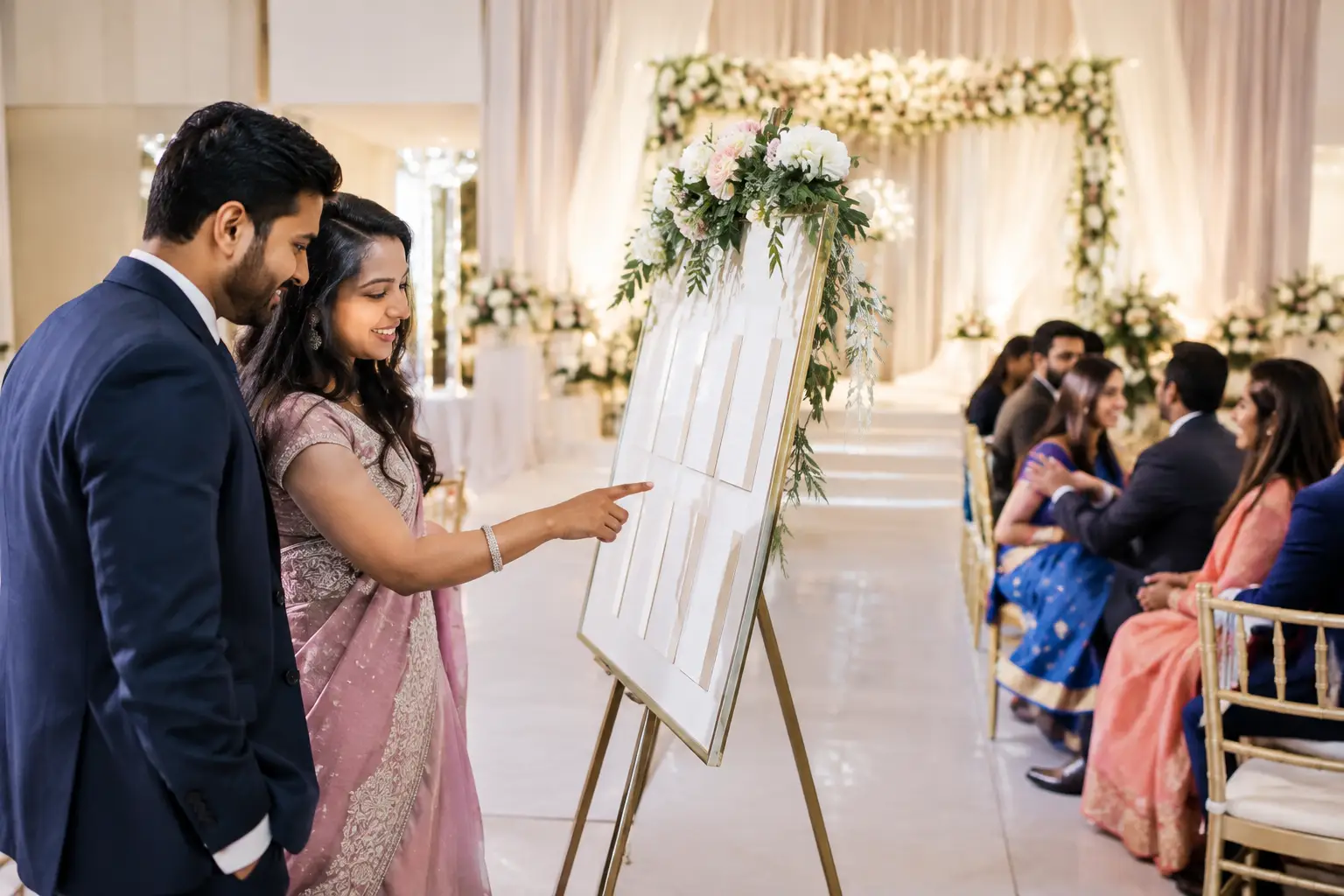
A seating plan can shape the feeling of an entire wedding. For couples and families seeking wedding venues with segregated seating, the priority is not simply creating separate areas. It is creating an occasion where every guest feels welcomed, respected and fully part of the celebration.
Whether you are planning a Nikah, Walima, traditional Asian wedding, Mehndi or a multicultural reception, thoughtful segregation can sit beautifully alongside grand décor, joyful entrances and a lively atmosphere. The right venue will understand that privacy, faith, family preferences and elegant hospitality must work together from the first guest arrival to the final farewell.
What Segregated Seating Means for Your Wedding
Segregated seating is not one fixed format. For some families, it means separate seating areas for men and women within one beautifully dressed banqueting suite. For others, it means separate spaces connected by a shared reception, or a women-only area for part of the celebration. The arrangement may also change throughout the day, particularly where a Nikah, dinner and evening festivities follow different customs.
This is why a venue should never treat the request as an afterthought. A room divided without care can leave guests feeling disconnected, make speeches difficult to follow or compromise the flow of service. A well-planned layout, by contrast, can retain privacy while allowing the event to feel warm, cohesive and celebratory.
The best approach depends on your guest list, family traditions and the atmosphere you want to create. A large formal Walima may benefit from clearly defined sections with a central stage, while a more intimate Nikah may call for two adjoining spaces and discreet access routes. There is no single correct design, only a design that feels right for your families.
Choosing Wedding Venues With Segregated Seating
Begin with the space itself. Ask to see the room set up in a configuration similar to your proposed celebration, rather than relying only on an empty viewing. A generous banqueting hall can be transformed with partitions, draping, floral displays and considered table placement, but capacity figures alone do not tell you whether guests will feel comfortable.
Consider how the venue manages the practical details behind the visual design. Can both sections see the stage, couple’s entrance or Nikah ceremony clearly? Will sound reach every table without becoming overwhelming? Are there separate entrances, private waiting areas or accessible routes where needed? These details matter just as much as the backdrop, centrepieces and lighting.
A venue with cultural experience will also understand that segregation should feel polished, never makeshift. Decorative screens, soft draping and elevated floral arrangements can create graceful separation without making the room feel closed off. The result should look intentional in photographs and feel natural to guests.
At The Grove Banqueting, layouts can be tailored around the way each family wishes to celebrate, combining a luxury setting with the practical planning required for large, culturally meaningful occasions. For celebrations of up to 500 guests, having ample room to plan movement, service and seating with care makes a meaningful difference.
Plan the Guest Journey, Not Just the Tables
A successful seating plan begins before anyone takes their seat. Think about the whole guest journey: arrival, welcome drinks, the ceremony, dinner, speeches, photographs and departure. If male and female guests are using separate seating areas, decide how they will be welcomed and guided without confusion.
Clear but tasteful signage can help, as can a trusted front-of-house team who know the plan in advance. Families should not need to spend the first hour of the wedding directing guests or resolving avoidable questions. Thoughtful coordination allows parents, siblings and the wedding party to enjoy the occasion rather than manage it.
This is particularly valuable for guest lists spanning generations. Elder relatives may need easy access, a quieter table or a shorter walk from the entrance. Young children may be moving between family groups. A considerate venue planner will factor in these realities while protecting the elegance of the room.
Keep the Couple at the Heart of the Room
When a celebration has segregated seating, the couple’s stage becomes even more significant. It should create a visual focal point that feels inclusive to the full room, not favour one side over another. A raised stage, balanced lighting and considered aisle placement can ensure both sections enjoy the grand entrance and key moments.
If speeches, recitations or announcements are planned, discuss where speakers will stand and how audio will be managed. In larger spaces, professional sound provision is essential. Guests should not have to strain to hear a heartfelt dua, a parent’s words or the announcement of dinner.
Photography deserves the same consideration. Speak with your photographer about family portraits, bride and groom entrances and candid moments across each section. A layout that provides attractive sightlines and a clear path for photographers will preserve the energy of the day without disrupting guests.
Catering That Respects Your Guests and Your Traditions
For many Muslim and Asian families, halal catering is a non-negotiable part of choosing a wedding venue. Yet the quality of the dining experience is equally important. A beautifully presented meal is one of the ways a family honours its guests, and the service should feel generous, refined and well paced.
Ask how food will be served across the seating arrangement. If dining is taking place in separate sections, both sides should receive the same attentive service and the same quality of presentation. Buffet placement, table service timings and the movement of waiting staff should be planned so no guests feel overlooked.
Authentic Pakistani and Bangladeshi cuisine can bring real warmth to a wedding meal, particularly when menus are shaped around family favourites and dietary requirements. It is also worth discussing children’s portions, vegetarian choices and refreshments for guests who arrive early or remain late into the evening.
Where dry hire or self-catering is preferred, confirm what the venue can accommodate. Families may wish to bring an established caterer, specialist desserts or cultural food stations. Flexibility is valuable, but it should be supported by a clear plan for kitchen access, food safety, timings and service coordination.
Décor Can Create Privacy Without Losing Grandeur
The most memorable segregated layouts do not look divided. They look designed. Décor has the power to create gentle boundaries while preserving the scale and glamour of the room.
Draped partitions can complement a floral stage rather than interrupt it. Gold detailing, mirrored finishes, candlelight and coordinated chair styling can give both sections a shared sense of occasion. For a colourful Mehndi, fabric, marigold-inspired florals and vibrant lounge areas can define spaces with joy and personality. For a classic white-and-gold reception, subtle draping and statement centrepieces may suit the mood better.
Be honest about the trade-off between privacy and visibility. Higher screens offer greater separation but can restrict views and alter the room’s atmosphere. Lower floral or decorative divisions feel more open but may not provide the level of segregation some families require. An experienced planner can show you options that match your priorities instead of pushing a one-size-fits-all arrangement.
Questions to Ask at Your Venue Viewing
A viewing is the moment to move beyond beautiful photographs and test how well the venue will support your plans. Ask whether the team has experience with gender-segregated celebrations and how they would configure the room for your expected numbers. Discuss access points, prayer arrangements, private spaces, sound, catering service and the timing of any room changes.
It is also wise to ask who will coordinate the event on the day. A detailed plan is only as reassuring as the people delivering it. You want a team that listens carefully, communicates with suppliers and responds calmly when timings shift, as they often do at weddings.
For guests travelling from across East London, Essex and beyond, practical comfort matters too. Convenient road access and plentiful parking can ease the arrival experience, especially for large family celebrations, older guests and those travelling in several cars. These details may not be the most glamorous part of wedding planning, but they help the whole day begin with calm.
Your seating arrangement should reflect your values, not force you to compromise on elegance or celebration. When the venue, décor, catering and coordination are planned as one, segregated seating becomes a natural part of a wedding that feels personal, gracious and unforgettable. Arrange a viewing with your preferred layout in mind, and you will be far closer to a celebration that feels unmistakably your way.