The first quote you receive for a wedding can feel reassuring right up until you realise it may not include everything you pictured. A ballroom may be covered, but not the stage décor. Catering may be included, but not late-night refreshments. Planning how to budget all inclusive weddings starts with understanding what “all inclusive” truly means for your celebration, your guest list and your family expectations.
For many couples, especially those planning large cultural weddings, an all-inclusive package is not simply about convenience. It is about control. When the venue, catering, décor and coordination are working together, the day feels more polished and far less vulnerable to costly surprises. The key is to budget with clarity from the start, so your investment delivers effortless elegance rather than last-minute compromises.
How to budget all inclusive weddings without missing hidden costs
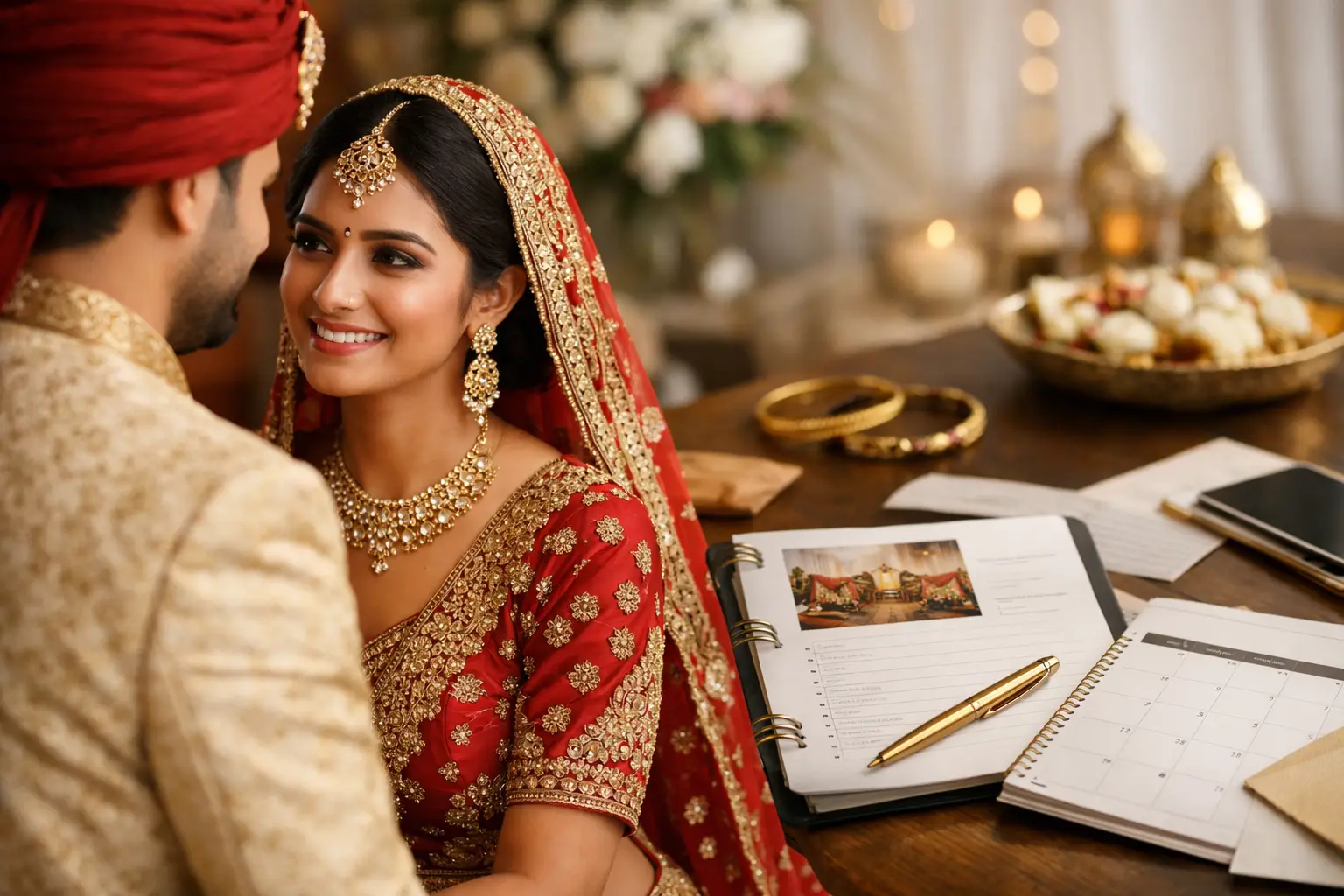
A strong wedding budget begins with the total figure, not the individual extras. Before comparing packages, decide what you can comfortably spend overall and what level of contribution may come from parents or family members. This matters because all-inclusive weddings can look more expensive at first glance, while actually offering better value once multiple suppliers, delivery fees and coordination costs are added up elsewhere.
The next step is to separate essentials from enhancements. For some couples, halal catering for every guest is non-negotiable. For others, the visual impact of floral styling, statement entrance décor or a premium stage design will shape the entire atmosphere. If you try to prioritise everything equally, the budget quickly becomes stretched. If you identify the three elements that matter most, spending decisions become much easier.
It also helps to ask one simple question of every package you review: what would we still need to pay for after booking this? That answer often reveals the true cost. Items such as service staff, crockery, cake table styling, chair covers, soft drinks, security, cleaning, parking management or a bridal room can make a substantial difference.
Start with your guest count, not your Pinterest board
Guest count is the engine behind most wedding spending. It affects catering, table numbers, staffing, room layout, centrepieces and sometimes even the package tier available to you. Couples often begin by collecting inspiration images and discussing décor concepts, but the more practical route is to confirm a realistic attendance range first.
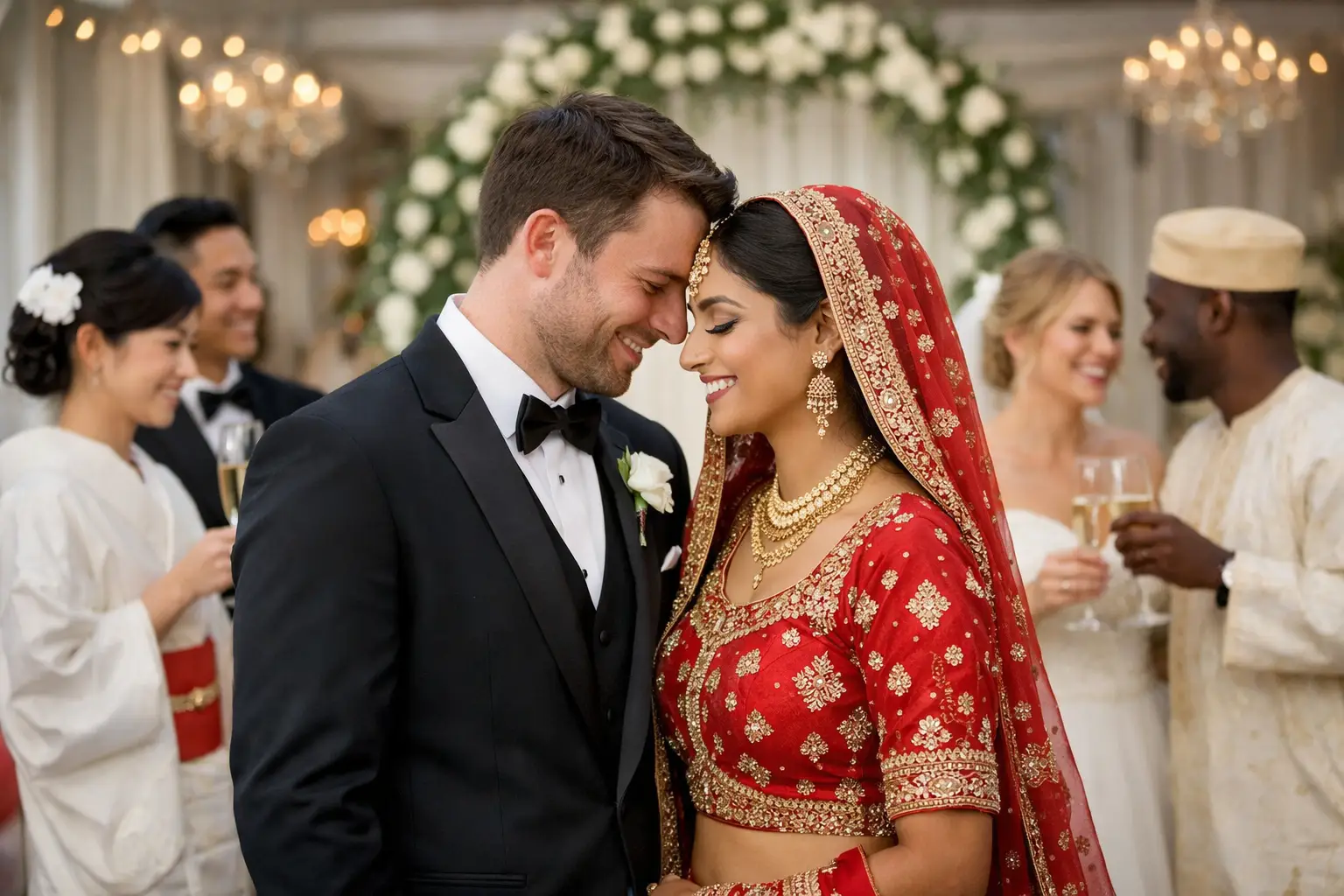
If you are planning an Asian, Muslim or Afro-Caribbean wedding, this becomes even more important. Family-led celebrations are often larger, and hospitality expectations are rightly high. A guest list of 350 rather than 250 does not only increase food costs. It can change the scale of the room, the amount of décor required to create visual balance and the number of people needed to deliver smooth service.
That does not mean trimming the guest list is always the answer. Sometimes a larger all-inclusive package at the right venue works better than a smaller package with many added extras. What matters is honesty. If your family network makes a high-capacity celebration likely, budget for that reality early rather than trying to force the event into a lower-cost framework that will eventually need expanding.
Understand what an all-inclusive package should include
Not all all-inclusive packages are built to the same standard. Some cover the essentials only. Others are designed to deliver a complete wedding experience with very little left to source independently. When comparing options, focus on the operational value as much as the headline figure.
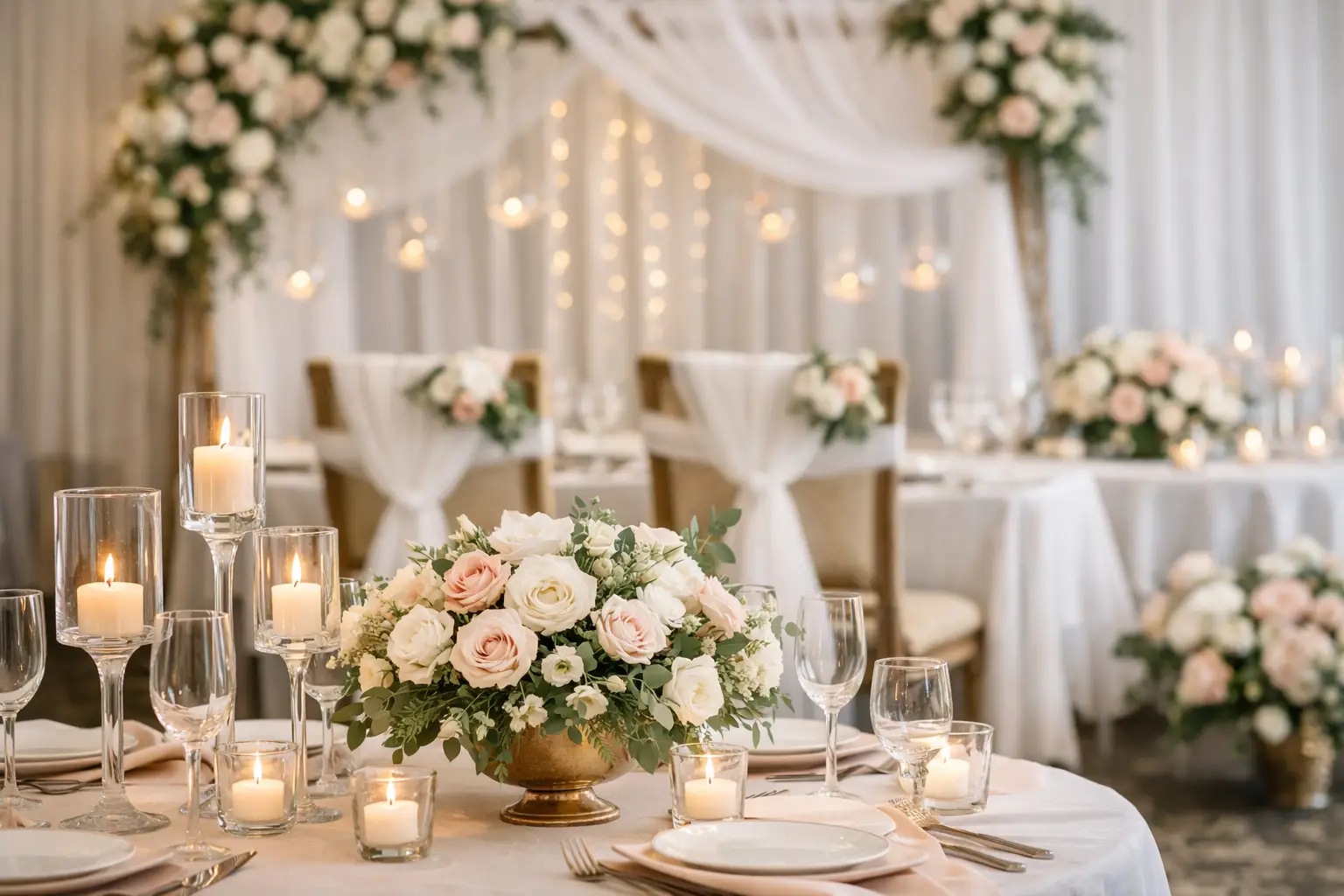
Venue hire, in-house or partner catering, tables, chairs, linens and basic staffing are usually the foundation. But for many couples, true value lies in what sits around that foundation. This can include coordinated décor, a dedicated event manager, prayer space considerations, bridal changing facilities, supplier management, flexible menu planning and support with timing the day correctly.
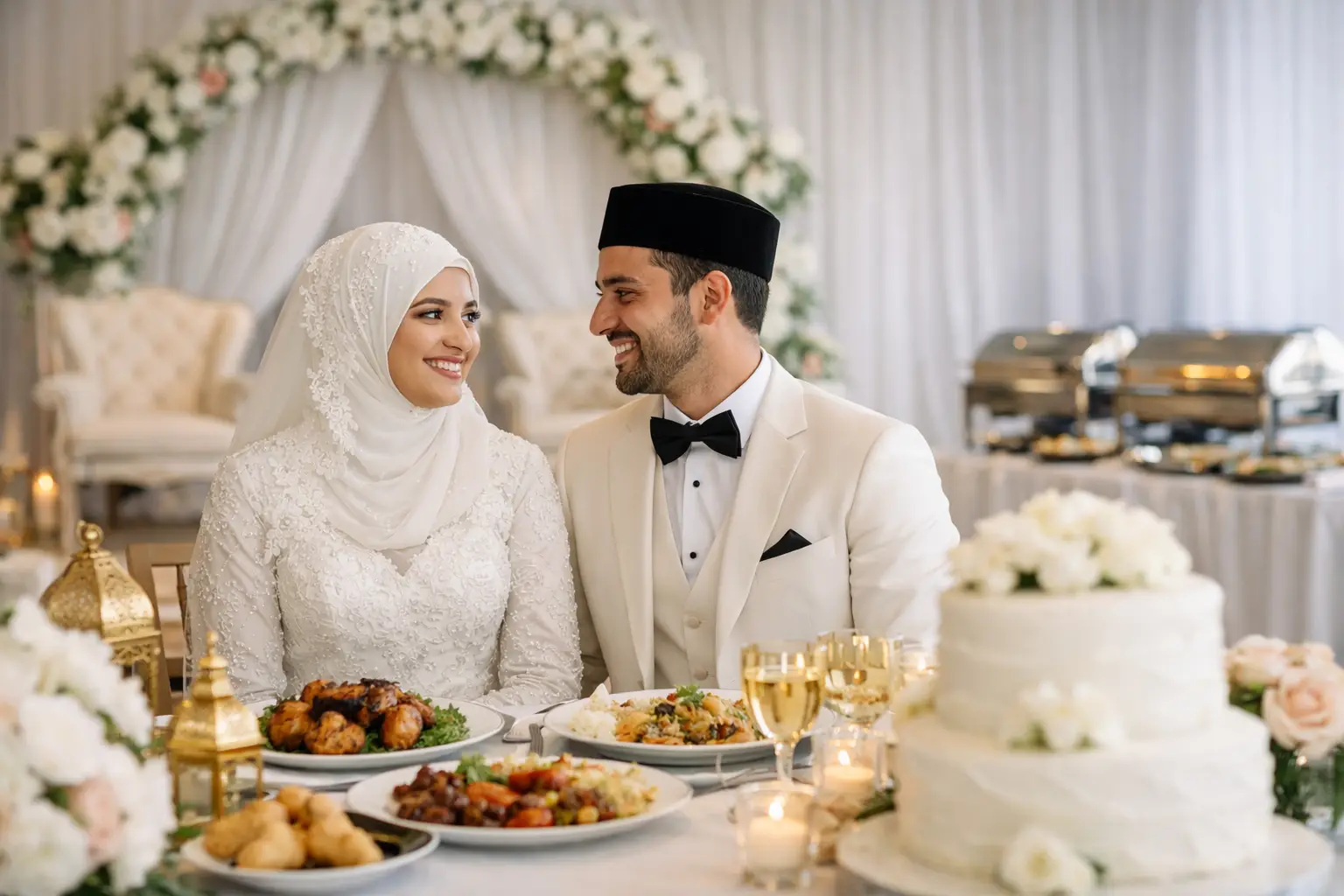
For multicultural weddings, cultural fluency matters just as much as logistics. A package may appear comprehensive on paper, yet still leave families carrying the stress if the team does not understand faith-sensitive planning, separate requirements around food preparation, or the pace and structure of traditional ceremonies. A venue with relevant experience can save money indirectly by helping you avoid mistakes, rushed decisions and duplicate supplier costs.
Build your budget in layers
The most effective way to budget an all-inclusive wedding is to create spending layers rather than one long spreadsheet of random items. Begin with the fixed core – venue, food, drinks and service. These usually account for the largest share and should be confirmed first.
Then move to your experience layer. This includes décor upgrades, stage design, lighting, entertainment, photography, transport and any ceremony-specific elements. These are often the details that transform a reception into a masterpiece, but they vary widely in cost and are easier to adjust if needed.
Finally, set aside a contingency layer. This should usually be around 5 to 10 per cent of your overall budget, depending on the scale and complexity of the celebration. Weddings rarely stay entirely static. Guest counts shift, outfit changes affect timing, and families sometimes decide to add features closer to the date. A contingency fund protects the quality of the event without causing financial strain.
Where couples overspend on all-inclusive weddings
One of the most common mistakes is assuming a package means every choice within it is unlimited. In reality, there may be allowances. Floral budgets might cover standard centrepieces but not premium installations. Catering may include a set menu, while live stations or speciality desserts come at extra cost. Drinks packages may differ depending on service style and duration.
Another frequent issue is over-customisation. Personalisation can be beautiful, but if every element is redesigned from scratch, the budget often loses structure. Bespoke staging, imported flowers, multiple cuisine stations and elaborate room transformations all have their place, yet they should be chosen with intention. Luxury does not always mean more. It often means selecting the right statements and allowing them room to shine.
There is also the question of external suppliers. Some couples book an all-inclusive venue and then continue adding independent décor teams, caterers or planners. Sometimes this is necessary, especially if there are very specific cultural or family requirements. But it can create overlap. If the package already includes experienced coordination and trusted supplier partnerships, using those resources may offer better consistency and better value.
How to compare packages properly
Price alone is a poor comparison tool. Two packages can be a few thousand pounds apart, yet one may save far more time, stress and hidden spend. The better approach is to compare cost per guest, what is included operationally and how much external planning you would still need to manage.
Ask for clarity on timings, staffing levels, setup and breakdown, menu flexibility and décor scope. If a package appears cheaper but requires you to source key elements yourself, it may not be cheaper by the time the wedding is fully built. Equally, if a premium package includes strong planning support and culturally informed service, that added assurance can be worth the investment.
This is where venue expertise becomes part of the budget equation. At a venue such as The Grove Banqueting, where large-scale celebrations and culturally tailored weddings are already part of the service model, couples are often not paying just for a room. They are paying for a calmer process, more accurate planning and a team that understands how to deliver elegance without friction.
Save wisely, not visibly
The best savings are the ones your guests never notice. Trimming chair styling slightly, simplifying printed stationery, or selecting seasonal florals can reduce spend without affecting the overall atmosphere. By contrast, cutting corners on catering quality, service standards or room comfort is usually felt immediately.
If you need to make adjustments, protect the elements that shape guest experience. Food, flow, hospitality and ambience will define the day far more than small decorative extras. Couples sometimes worry that a reduced budget will make the wedding feel less impressive. In practice, guests remember warmth, generosity and a celebration that feels thoughtfully run.
Timing can also affect value. Midweek weddings, off-peak dates and seasonal flexibility may open the door to stronger package rates. That said, this depends on your family and community priorities. If a weekend date is essential for attendance, the better saving may come from package selection rather than changing the day.
A wedding budget should support the day, not overshadow it
The most successful budgets are not the tightest. They are the clearest. When you know what matters, understand exactly what your package includes and work with a venue team that can guide the details with confidence, budgeting becomes far less intimidating.
An all-inclusive wedding should give you room to enjoy the build-up, not spend months chasing quotations and worrying about gaps. Aim for a plan that reflects your traditions, welcomes your guests beautifully and protects your peace of mind. That is where real value lives.