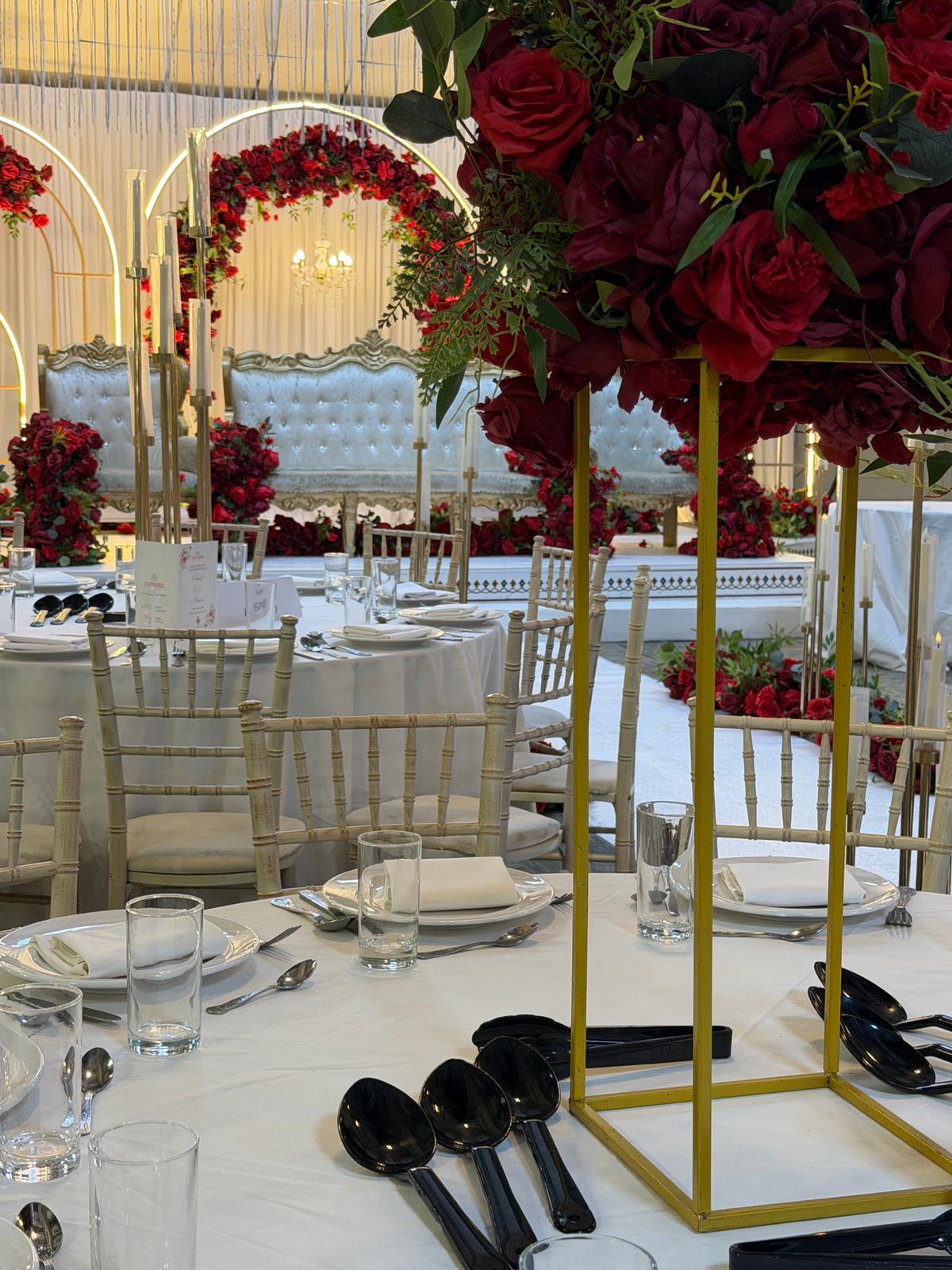
The food is remembered long after the last dance. For many families, that is exactly why choosing a Pakistani wedding catering venue is not a small decision about menus and table plans – it is about hospitality, tradition and the feeling your guests carry home with them.
A Pakistani wedding asks a great deal from a venue. It must feel impressive from the moment guests arrive, but it also needs the practical strength to handle a large guest list, layered events, generous service and the expectations that come with a major family celebration. When the venue and the catering work in harmony, the day feels effortless. When they do not, even beautiful décor cannot hide the strain.
What makes a strong Pakistani wedding catering venue
A truly suitable venue does more than offer a function hall and a kitchen. It understands that Pakistani weddings are built around warmth, abundance and detail. Guests expect excellent food, smooth service and a setting that feels worthy of the occasion.
That means the venue should be able to support authentic halal catering, flexible layouts and a service team that is comfortable with the pace and scale of South Asian celebrations. Whether you are planning a nikah, mehndi, baraat or walima, the requirements are rarely identical. Some events call for dramatic décor and lively energy. Others need a more refined, elegant setting. The right venue should accommodate both without feeling generic.
There is also a difference between a venue that allows Pakistani catering and one that is genuinely set up for it. The second option is usually far easier. It tends to come with experienced staff, established catering partnerships and a clearer understanding of timing, service flow and family expectations.
Catering is not a detail – it is the experience
At many weddings, the meal is one part of the day. At a Pakistani wedding, it is often one of the defining features. Guests notice the quality of the biryani, the tenderness of the lamb, the freshness of the starters and whether service stays consistent from the first table to the last.
This is why catering should never be treated as an afterthought once the venue is booked. The best approach is to assess the two together. A beautiful room with average catering can disappoint. Equally, exceptional food served in a venue that struggles with capacity, timings or presentation can reduce the impact of the whole celebration.
A premium setting should be able to deliver both elegance and substance. That includes proper halal standards, menus that reflect Pakistani tastes with authenticity, and a kitchen and service operation capable of feeding a large room well. Families often want choice too. Some prefer a traditional menu with familiar favourites, while others want a more contemporary reception with refined presentation and a wider mix of cuisines. Neither approach is wrong. It depends on your guests, your budget and the atmosphere you want to create.
How to assess a Pakistani wedding catering venue properly
When couples begin viewing venues, it is easy to be won over by chandeliers, staging and a polished entrance. Those details matter, especially for photography and first impressions, but they should not distract from the practical questions.
Start with guest capacity. A venue may advertise a high number, but the real question is whether that number still allows for comfort, movement and service. Pakistani weddings often involve wide family circles, so a room must hold guests generously rather than tightly. Space for a stage, dance floor, separate catering setup or female-only areas may also matter depending on the event.
Next, ask how catering is managed. Is there an in-house halal catering team, a trusted specialist partner or full freedom to appoint your own caterer? An all-inclusive model can remove an enormous amount of pressure, particularly for families who want one experienced team to coordinate everything. Dry hire or self-catering flexibility, on the other hand, may suit couples with a long-standing family caterer or a very specific regional menu in mind. The best choice depends on how much control you want versus how much responsibility you are happy to carry.
It is also wise to ask how the venue handles service timings. South Asian weddings do not always run to minute-perfect schedules. Delayed entrances, extended photography and family formalities are common. A venue with genuine experience will not be unsettled by that. Instead, it will know how to preserve calm, maintain food quality and keep the evening moving gracefully.
Luxury matters, but ease matters too
A wedding venue should feel special. That is non-negotiable for many couples. Yet luxury on its own is not enough if every planning step becomes hard work.
The strongest venues combine visual impact with practical ease. Good parking, straightforward access from East London and Essex, a welcoming arrival experience and a team that responds clearly all shape the day as much as floral arches and statement lighting. Families notice when older relatives can arrive comfortably. Couples notice when suppliers know where to go. These are the details that protect the atmosphere.
This is where full-service venues often stand apart. When catering, décor, hospitality and planning support are aligned, the celebration feels far more polished. There are fewer gaps, fewer handovers and fewer chances for misunderstanding. For couples who want perfection without spending months managing separate suppliers, that support is often worth far more than a lower headline price elsewhere.
Tradition, faith and flexibility
No two Pakistani weddings are identical. Some are deeply traditional with several events and clear cultural rituals. Others blend British and Pakistani influences in a more modern format. Some families want a grand, high-energy reception. Others want understated elegance with impeccable food and service.
That is why flexibility matters so much. A venue should not force every wedding into the same mould. It should have the cultural fluency to respect religious requirements, understand family dynamics and adapt the event around what matters to the couple.
For Muslim weddings especially, halal catering is essential, but faith-sensitive planning goes beyond the menu. You may need space arrangements that reflect family preferences, a timetable that works around a nikah, or a team that understands the formality and significance of particular moments. These things should be met with confidence, not confusion.
At the same time, modern couples often want room for personal style. They may want classic Pakistani dishes alongside contemporary canapés, a traditional stage with a clean modern palette, or a reception that feels formal at dinner and celebratory later in the evening. A venue experienced in multicultural weddings is usually better placed to deliver that balance with elegance.
The question of packages versus complete freedom
There is no single right route here. Some couples want an all-inclusive package because they value simplicity, consistency and one trusted point of contact. Others want the freedom to choose every supplier themselves.
Packages can be especially attractive for large weddings because they reduce admin and protect quality control. If the venue already works with specialist caterers, decorators and planners who understand Pakistani weddings, you benefit from a team that knows how to work together. That often leads to a smoother result.
Complete freedom can be worthwhile if you have very specific preferences or family suppliers you trust completely. The trade-off is that more choice usually brings more coordination. If you choose this route, make sure the venue is genuinely supportive of external teams and has clear processes for access, setup and kitchen use.
For many couples, the most appealing option is a venue that offers both – strong in-house solutions when convenience matters, with enough flexibility to personalise the event. That balance is one of the reasons venues such as The Grove Banqueting appeal to families who want luxury without losing control over tradition.
What families often regret overlooking
Most regrets come from underestimating logistics. Couples focus on style, then discover too late that the room feels cramped, parking is difficult or the catering service cannot keep pace with a full guest list.
Another common issue is booking a venue that looks the part but lacks cultural understanding. Pakistani weddings are generous, expressive and often complex to deliver. A team with relevant experience will spot potential issues early and guide you through them. A team without that background may still be well meaning, but weddings of this scale and significance need more than goodwill.
It is also worth remembering that value is not the same as price. A premium venue may cost more at first glance, but if it includes excellent catering, trusted coordination and a setting that genuinely elevates the day, it can offer better value than a cheaper option that leaves you managing problems yourself.
When you walk into the right venue, you should feel more than admiration for the room. You should feel reassured. The setting is elegant, the catering is worthy of your guests, and the team understands what this celebration means to your family. That peace of mind is often the clearest sign that you have found the right place to begin.