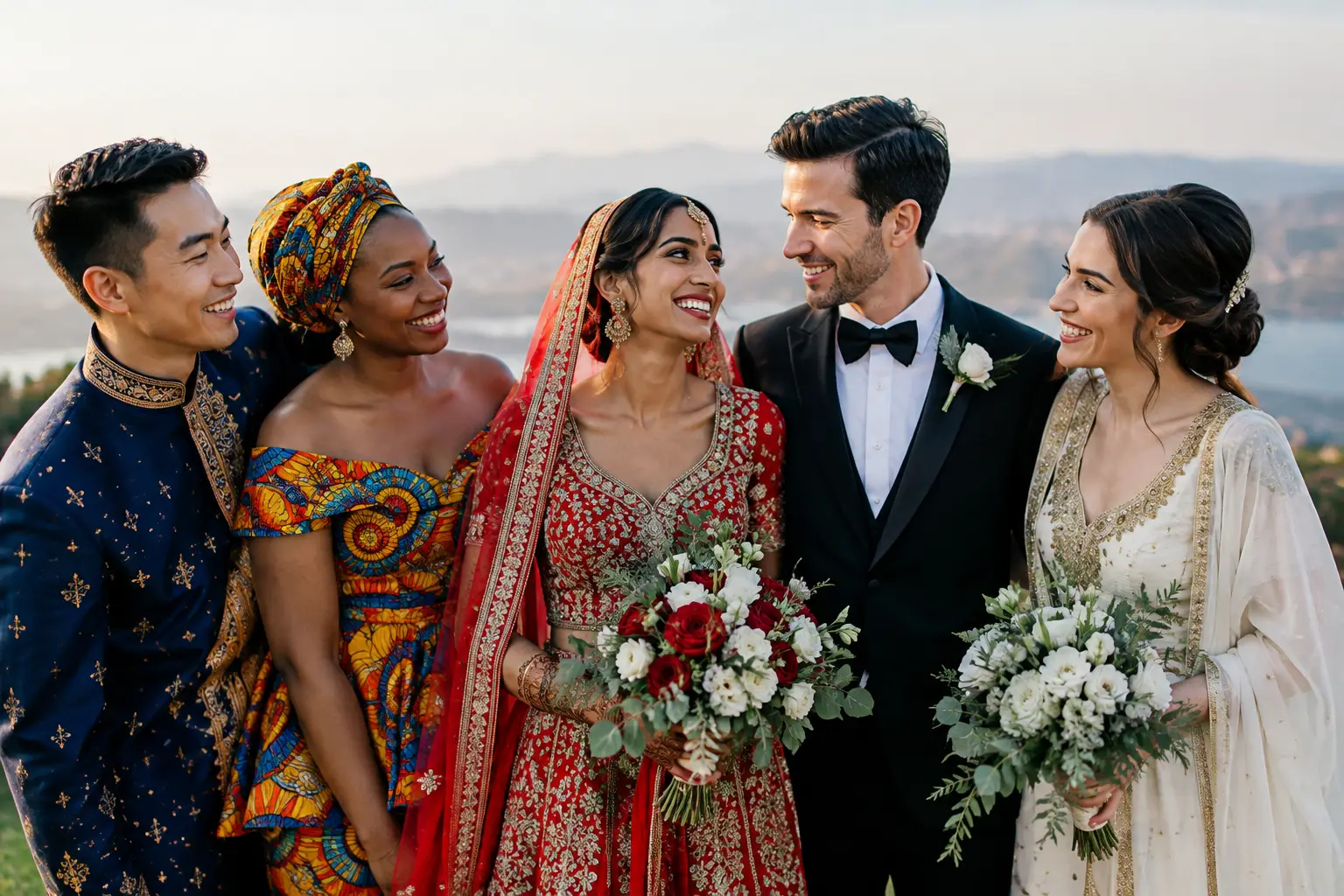
A Mehndi filled with colour and music on one evening, followed by an intimate Nikah and a refined Walima the next, is not a compromise between traditions. It is a celebration with its own rhythm. That sense of confidence sits at the heart of multicultural wedding trends 2026: couples are moving away from generic ideas of “fusion” and creating occasions that honour every part of their story with care, beauty and purpose.
For families planning in East London, Essex and beyond, the most striking weddings will not simply look impressive in photographs. They will feel considered from the moment guests arrive, whether they are joining a Pakistani, Bangladeshi, Bengali, British, African or Afro-Caribbean celebration. The detail that matters most is not copying a trend, but choosing a setting, menu and schedule that allow each meaningful moment to shine.
Multicultural wedding trends 2026: heritage with intention
The strongest shift for 2026 is towards cultural specificity. Couples are no longer expected to blend every tradition into one ceremony or explain their heritage through surface-level décor. Instead, they are choosing the rituals that feel most personal, giving each one the space and respect it deserves.
For a Muslim wedding, this may mean creating a calm, beautifully dressed setting for the Nikah before the grandeur of a reception. A Bengali or Bangladeshi family may place the warmth of pre-wedding gatherings, family blessings and generous hospitality at the centre of the experience. A British and Afro-Caribbean couple may combine formal vows with a reception that brings vibrant music, joyful entrances and family-led celebration to the fore.
This approach requires thoughtful planning. A wedding can include several cultural influences without asking guests to rush through them. When each element has a clear place in the timeline, the day feels generous rather than crowded. It also gives photographers and videographers the opportunity to capture the emotion behind the tradition, not merely the visual spectacle.
Separate moments can create a richer celebration
The one-day wedding remains a beautiful choice, particularly for couples who want a focused occasion. Yet multi-event celebrations are becoming more deliberate. A small civil ceremony, a Mehndi, a Nikah and a larger reception can each have their own atmosphere, guest list and dress code.
There is a practical advantage too. Separating events can reduce pressure on the main day and allow families to be present rather than managing constant transitions. It does require a realistic budget and good supplier coordination, but it often creates a more relaxed experience for everyone involved.
Immersive décor replaces one-size-fits-all styling
In 2026, luxury wedding décor will be less about filling a room and more about building a feeling. Couples are choosing statement stages, layered florals, candlelit tablescapes and carefully designed entrances that reflect the mood of the occasion. Jewel tones, soft ivory and gold, rich reds, fresh green foliage and modern monochrome palettes all have their place. The deciding factor is cohesion.
For a colourful Mehndi, a floral swing, patterned textiles and bright draping can create a joyful setting without overwhelming the room. For a Walima or formal reception, elevated floral arrangements, a clean stage design and considered lighting can bring a more polished, contemporary elegance. African and Afro-Caribbean celebrations may pair luxurious metallic finishes with vivid colour, textured fabrics and dramatic focal points.
The best décor feels personal rather than themed. A couple’s initials, a family motif, calligraphy, meaningful poetry or a colour drawn from bridal attire can be woven through the room with a light touch. It is worth asking whether each feature adds atmosphere or simply adds cost. A few excellent statement pieces are usually more memorable than decoration in every available corner.
Bridal fashion is becoming more expressive
Bridalwear is also embracing contrast. Some brides will choose intricate traditional embroidery for their main entrance, then change into a lighter, modern outfit for dancing and photographs. Others are selecting a single look that blends heritage silhouettes with contemporary tailoring. Grooms are increasingly considering their outfit as part of the overall visual story, whether that means a classic sherwani, a sharp tuxedo, traditional African dress or a tailored suit with meaningful accessories.
Comfort is part of the luxury. Long celebrations need outfits that allow couples to greet guests, sit for ceremonies and enjoy the dance floor. A planned change of shoes, lighter jewellery or a second outfit can make a real difference without losing the sense of occasion.
Food becomes part of the welcome
Guests remember how a wedding made them feel, and food is often central to that memory. In 2026, menus are expected to be both authentic and generous. Families want the comfort of dishes prepared with knowledge, alongside presentation worthy of a premium event.
For many Asian and Muslim weddings, authentic halal Pakistani and Bangladeshi cuisine remains essential, from fragrant curries and grills to carefully prepared desserts. But couples are also making room for a broader table: elegant canapés, live stations, British favourites, African or Caribbean dishes, and satisfying vegetarian options. The goal is not to offer everything. It is to make every guest feel genuinely considered.
Late-evening food is becoming a particular favourite for long receptions. After formal dining and dancing, familiar comfort food can restore energy and encourage guests to stay longer. Timing matters as much as the menu itself. A well-paced service protects the flow of speeches, prayers, entrances and entertainment.
Guest comfort is a mark of true hospitality
Grand celebrations need practical thinking behind the glamour. In 2026, couples are paying closer attention to the guest journey: easy arrival, clear signage, welcoming reception areas, accessible facilities, comfortable seating and an unhurried schedule.
This is particularly valuable where elders, young children and guests travelling from different parts of London and Essex are involved. Prayer space, dietary clarity and family-friendly timing should be addressed early, not added at the last minute. If the guest list is large, parking and venue access become part of the celebration too. A beautiful ballroom loses some of its appeal if guests begin the evening stressed by the journey.
Couples are also becoming more selective about digital elements. A discreet content creator, a private photo-sharing option or a carefully managed social media moment can be wonderful. Equally, an unplugged Nikah or ceremony may protect the intimacy of a significant family occasion. There is no single right choice. The important thing is agreeing on boundaries before the day.
Entertainment follows the room’s energy
Formal entrances, live percussion, a DJ who understands different generations, carefully chosen recitations or speeches, and an energetic dance floor can all belong in the same celebration. The key is pacing. Entertainment should build the atmosphere rather than compete with the food, ceremonies or family moments.
A good running order gives guests time to settle, eat and talk before the energy rises. It also allows cultural moments to be introduced respectfully. For couples blending backgrounds, this might mean alternating music styles through the evening rather than treating one tradition as an afterthought. When planned well, guests do not experience the celebration as a sequence of separate parts. They experience it as one joyful occasion.
Planning support is becoming a luxury essential
The growing complexity of multicultural weddings is making experienced coordination more valuable than ever. Couples may be managing several events, large guest numbers, faith-sensitive requirements, extended families and multiple suppliers. The peace of mind comes from working with people who understand why each detail matters.
An all-inclusive package can bring welcome clarity by aligning catering, décor, hospitality and planning support under one experienced team. Dry hire and self-catering options, on the other hand, can suit families with established suppliers or a very particular creative vision. Neither route is automatically better. The right choice depends on how much flexibility a couple wants, how much they wish to manage themselves, and where they want to invest their budget.
At The Grove Banqueting, culturally informed planning, authentic halal catering and space for up to 500 guests allow couples to shape a celebration that feels both personal and impeccably hosted. With generous parking and accessible connections from East London and Essex, practical ease can sit naturally alongside a luxurious setting.
The most meaningful weddings of 2026 will not follow every trend. They will make guests feel welcomed, families feel respected and couples feel fully present in the moments they will remember for the rest of their lives. Start with the traditions that matter most to you, then choose a team and venue capable of bringing them together with effortless elegance.