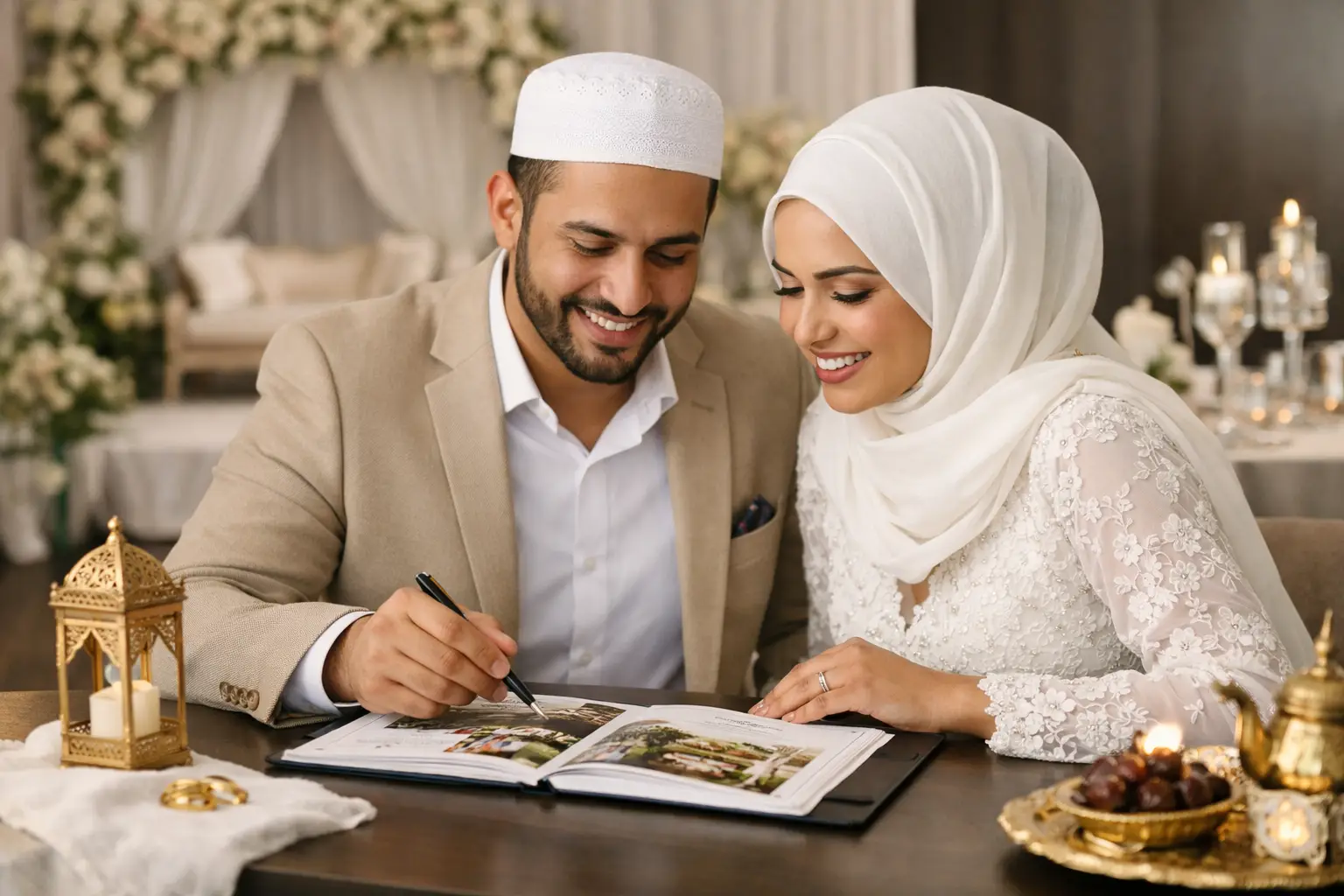
The moment the nikah is confirmed, a venue becomes far more than a beautiful backdrop. It is the setting where two families gather, sacred promises are witnessed and hospitality speaks for the couple. This nikah ceremony venue planning guide is designed to help you choose a space that honours the faith, the celebration and the practical realities of a meaningful day.
For many couples, the challenge is not finding a room with chandeliers or a large capacity. It is finding a venue team that understands why prayer arrangements matter, why halal catering must be genuinely trusted, and why the timetable needs room for both religious significance and joyful family celebration. The best choice makes the day feel effortless for you and welcoming for every guest.
Begin With the Nikah You Want to Create
Before comparing capacities, packages or décor photographs, agree on the feeling you want guests to take away. Some couples want a quiet, intimate nikah followed by a refined reception. Others are planning a large-scale celebration where the ceremony, walima and evening entertainment flow through one beautifully coordinated occasion. Neither approach is more correct, but each requires a different venue layout, schedule and service plan.
Discuss whether the nikah itself will take place at the venue or at a mosque before guests travel to the reception. If it is being held at the venue, clarify who will conduct it and what they require. Your imam may need a private area beforehand, a suitable place for witnesses, a table for documentation and clear confirmation that the ceremony can be accommodated respectfully.
It also helps to decide early whether you prefer separate seating, family sections or an open layout. A venue experienced in Muslim weddings should treat these preferences as part of the event design, not as an awkward late addition. The room should feel considered from the first guest arrival to the final farewell.
Nikah Ceremony Venue Planning Guide: Space First
A venue can look expansive in a photograph yet feel crowded once it holds dining tables, a stage, a floral entrance, photographers, children and guests greeting one another. Ask to see a proposed floor plan based on your actual expected guest number, not simply the venue’s maximum capacity.
The ceremony area needs clear sightlines. Parents, elders and guests should be able to see and hear the proceedings without standing at the back or gathering around the couple. If you are using a raised stage, consider whether it suits the tone of the nikah and whether older relatives can reach it comfortably. A lower, beautifully styled focal point may feel more intimate while remaining visible.
Think beyond the main banqueting suite. A premium venue should offer enough room for a graceful entrance, welcome drinks, photography, cloakroom use and guest circulation. If families will arrive separately or in significant numbers at once, a generous reception area prevents the beginning of the day from feeling rushed.
Ask about accessibility with the same care you apply to aesthetics. Step-free access, accessible facilities and convenient drop-off arrangements offer reassurance to grandparents, young children and anyone with mobility needs. Ample parking is especially valuable for a guest list travelling from across East London, Essex and beyond. These details may not feature in your wedding album, but they shape how comfortably your loved ones experience the day.
Plan for Prayer With Care
Prayer provision is a mark of thoughtful hosting. Confirm whether the venue can provide a quiet, clean and private area for salah, ideally away from music, busy corridors and the main celebration. Ask where guests can perform wudu and whether the timing of the programme allows space for prayers without anyone feeling hurried.
A dedicated prayer area does not need excessive decoration. It needs privacy, cleanliness, clear signposting and considerate placement. For a larger gathering, it may also be wise to plan how guests will use the space comfortably during busier prayer times.
Treat Catering as a Matter of Trust
Food is often one of the most anticipated parts of a nikah celebration, particularly where families are bringing together distinct regional traditions. A menu should feel generous and celebratory, but the source and handling of halal food matter as much as the presentation.
Ask direct questions about halal catering. Is all food prepared in a halal kitchen? Are ingredients and suppliers carefully managed? Can the caterer accommodate familiar Pakistani, Bangladeshi or other South Asian dishes with the depth of flavour families expect? If your menu includes Afro-Caribbean, British or fusion influences, can these be delivered without losing quality or cultural character?
A tasting is not simply an enjoyable appointment. It is where you assess portion sizes, seasoning, service style and the confidence of the catering team. Bring key family decision-makers if that will help you reach agreement early. It is easier to refine a menu at the tasting than to manage competing expectations in the final fortnight.
Also consider how the food will be served. A plated meal can create a formal, elegant rhythm, while a buffet may offer more choice and suit a wider range of tastes. The right option depends on your guest count, timings and priorities. For a long programme with speeches, photography and entertainment, prompt, well-organised service protects the atmosphere of the evening.
Choose a Package That Supports Your Priorities
All-inclusive packages can remove a great deal of pressure by bringing venue hire, catering, décor, hospitality and planning support under one experienced team. This is particularly valuable where a large guest list leaves little room for supplier delays or uncertain communication. One coordinated plan means fewer moving parts for the couple and their families to manage.
However, dry hire may be the better choice if you have a trusted family caterer, a specialist stylist or suppliers you have already committed to. Flexibility is valuable only when responsibilities are clear. Establish who controls delivery times, set-up access, health and safety requirements, catering equipment, cleaning and the final handover of the room.
When reviewing a package, look beyond the headline price. Ask what is included in the décor, whether table linen and chair styling are specified, how many event staff will be present and whether there are additional charges for extended hours. A transparent proposal allows you to compare venues fairly and protects the calm of the planning process.
At The Grove Banqueting, couples can explore both coordinated wedding packages and flexible dry-hire options, allowing the occasion to be tailored around faith, family traditions and personal style.
Build a Timetable That Gives the Day Breathing Room
Nikah celebrations are emotionally full days. Guests may arrive early, families will want photographs, elders may need a quieter moment with the couple and the programme can easily run behind if every section is scheduled too tightly. A polished event does not feel rushed, even when there is plenty happening.
Work backwards from the time you need the celebration to finish. Include supplier access, styling, the arrival of immediate family, guest reception, the nikah, group photographs, dining, speeches, cake cutting and departures. Add realistic buffers between each stage. A ten-minute delay is manageable; several back-to-back delays can affect catering service, prayer arrangements and the energy in the room.
Consider the season too. Winter weddings may require earlier photography and extra thought for guests arriving in the dark. Summer celebrations benefit from a comfortable indoor temperature and a plan for any outdoor photographs. If Ramadan affects your plans, the schedule needs particular sensitivity around iftar, Maghrib and the comfort of fasting guests.
Appoint One Point of Contact
On the day, neither the bride nor groom should be answering calls about florists, late arrivals or table changes. Nominate one family representative, wedding planner or venue coordinator to approve small decisions. Give them the final timetable, supplier contacts and a clear understanding of what matters most to you.
This one decision can transform the experience. It gives families permission to be present rather than managing logistics, and it allows the couple to focus on the promises they are making.
Let Décor Enhance, Not Overwhelm, the Ceremony
Luxury is not always about adding more. For a nikah, the most memorable styling often begins with a clear focal point, harmonious colours and thoughtful lighting. Consider how the décor will frame the ceremony, support photographs and still leave enough space for guests to move easily.
A floral backdrop, elegant seating, soft draping and a carefully dressed signing table can create a beautiful setting without distracting from the significance of the moment. If you are blending cultures, use the details with intention: perhaps a traditional colour palette, meaningful textiles, a graceful head-table arrangement or menu touches that reflect both families.
Ask your venue how décor installation fits around catering, guest arrival and the ceremony timetable. Established venue and décor partnerships are valuable because the team already understands the room dimensions, lighting and practical restrictions. That knowledge helps transform a concept board into a finished setting that feels like a masterpiece rather than a compromise.
Questions Worth Asking at Your Viewing
A viewing is your opportunity to test how the venue will support your day, not just to admire it. Alongside availability and capacity, ask about prayer facilities, halal catering arrangements, parking, accessibility, supplier policies and the latest possible finishing time. Request a sample layout for your guest number and ask who will be your contact from booking through to the event itself.
Pay attention to the answers as much as the features. An experienced team will speak confidently about timings, cultural requirements and contingency plans. They will not make you feel that your traditions are unusual or difficult. That sense of understanding is often the difference between a beautiful venue and a genuinely reassuring partner.
When you walk into a venue, picture more than your entrance. Picture your parents being warmly welcomed, your guests enjoying a meal they trust, your elders feeling comfortable and the nikah taking place with the dignity it deserves. The right setting gives you the freedom to be fully present in that moment, while every detail is cared for quietly in the background.