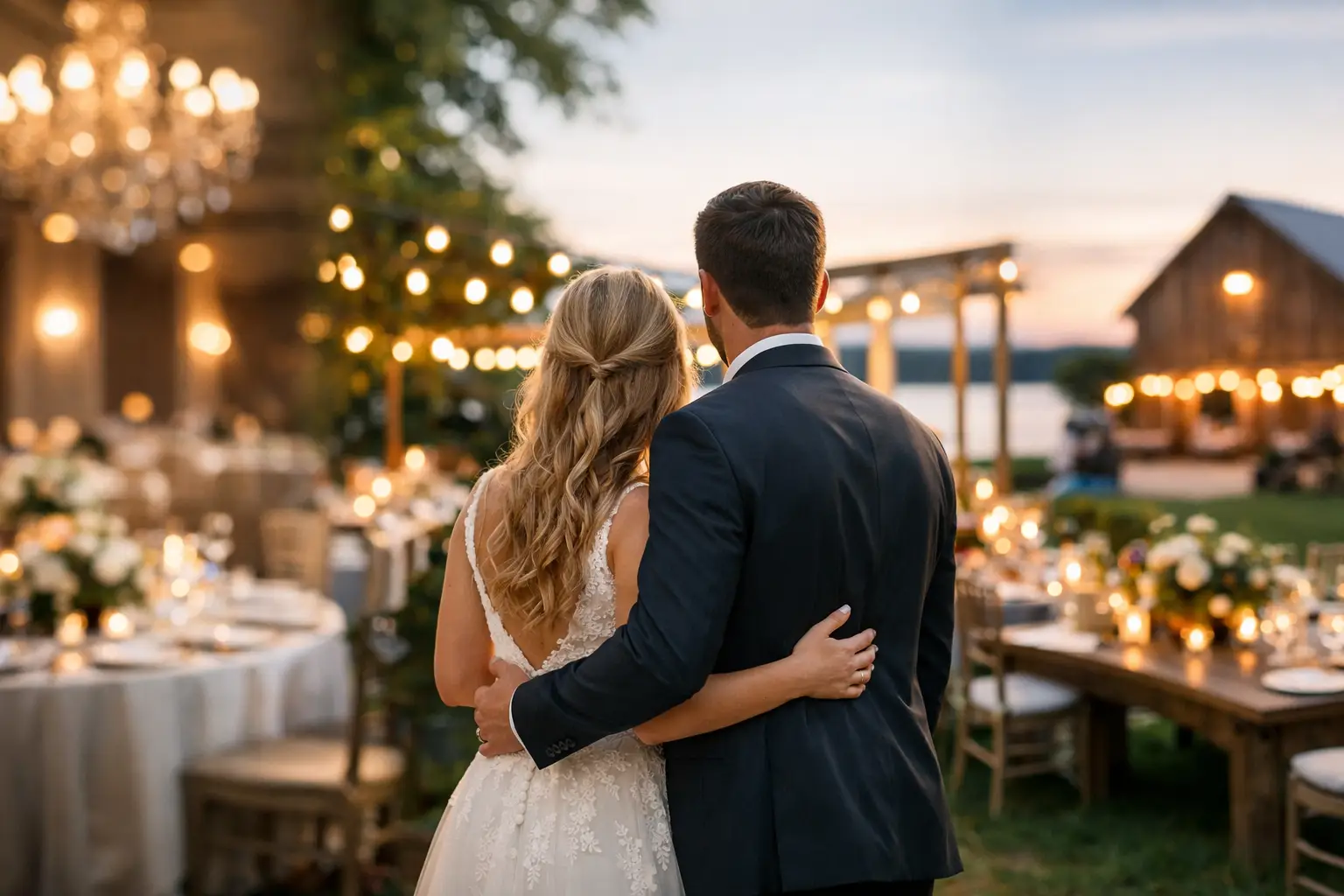
The moment guests walk into your wedding reception venue, they decide how the evening will feel. Before the first course is served, before speeches begin, before the dance floor fills, the room has already set the tone. For couples planning a celebration that must feel elegant, welcoming and flawlessly managed, the venue is never just a backdrop. It is the foundation of the entire day.
That matters even more when your wedding brings together tradition, family expectations and a substantial guest list. A beautiful space is essential, but beauty on its own is not enough. The right setting needs to support the way you celebrate, the food you want to serve, the atmosphere you want to create and the practical details that make everything run smoothly.
What makes a wedding reception venue truly exceptional
A premium wedding reception venue should do two things at once. It should create immediate visual impact, and it should make the logistics feel effortless. Couples often begin by looking at chandeliers, staging, décor potential and the overall finish of the room. Those details matter because they shape first impressions and wedding photography. But behind that polished presentation, the strongest venues are also designed to handle real event pressure.
That means enough space for your guest count to feel comfortable rather than crowded. It means a layout that allows for a grand entrance, a head table, dining, speeches and dancing without constant compromise. It also means experienced coordination, so timings stay on track and suppliers can work efficiently behind the scenes.
The best venues understand that a wedding reception is not one moment. It is a sequence of moments, each with its own practical demands. Guests arrive. Families gather. Food is served. Formalities begin. Children need space. Older relatives need comfort. The evening shifts from ceremony to celebration. A truly exceptional venue supports every part of that rhythm.
How to judge a wedding reception venue beyond the photographs
Online galleries can be helpful, but they rarely tell you how a venue performs on the day itself. A room may look impressive in staged images, yet feel very different when filled with 300 or 400 guests. That is why a viewing matters.
When you visit, pay attention to scale. Ask whether the room suits your expected numbers comfortably, not just at maximum capacity. A venue can technically hold a guest list without delivering the sense of ease you want. Large weddings need careful spacing, especially if you are planning a dance floor, sweetheart stage, photo area or entertainment.
Look closely at guest flow as well. Can people move easily from arrival to seating? Is there a natural place for mingling? Are washrooms accessible and well maintained? Is there sufficient parking? These details may sound secondary while you are choosing linens and floral palettes, but on the day they shape the guest experience in a very direct way.
Then there is the question of support. Some venues simply hire out the space. Others provide meaningful planning assistance, supplier coordination and on-the-day structure. Neither model is automatically better. It depends on how involved you want to be and how many moving parts your reception includes. For many couples and families, especially those balancing work, extended family input and cultural traditions, a venue with experienced support can remove an enormous amount of pressure.
Catering, culture and confidence
Food is one of the clearest reflections of hospitality. In many weddings, it is also one of the most discussed parts of the celebration long after the evening ends. Choosing a wedding reception venue with strong catering options can simplify planning considerably, but quality and authenticity matter just as much as convenience.
If your wedding requires halal catering, regional cuisine or menus that reflect family tradition, the venue should understand that this is not a minor preference. It is central to the experience. Couples planning Asian and Muslim weddings, in particular, often need a setting that can combine luxury presentation with genuine knowledge of halal service, family-style hospitality and large-scale dining. The same principle applies to British receptions with formal dining expectations, and to Afro-Caribbean celebrations where flavour, generosity and atmosphere carry deep importance.
A venue that already works with trusted culinary teams has a clear advantage. It reduces the risk of miscommunication, preserves service standards and helps ensure that the food arrives as intended. That said, flexibility can be equally valuable. Some families want to bring in their own caterers or self-cater for personal, cultural or budget reasons. A strong venue recognises that convenience without compromise sometimes means offering both all-inclusive support and dry hire options.
Décor matters, but so does the room itself
Every couple wants a reception that feels distinctive. The décor should reflect your taste, your story and the tone of your celebration. Yet one of the most common planning mistakes is relying on décor to compensate for a venue that is only average to begin with.
A premium room should already have presence. High ceilings, elegant lighting, a refined finish and a well-designed layout give your suppliers something substantial to work with. When the venue itself is polished, décor becomes enhancement rather than rescue.
This also gives you more flexibility. Some couples want opulent floral installations and dramatic staging. Others prefer a cleaner, more understated look with timeless detailing. A well-appointed venue can support both. It should feel like a masterpiece when fully dressed, but it should also retain its sophistication if you choose restraint.
Ask how much freedom you have with styling and whether the team has established décor partners. Familiarity between venue and decorator often leads to smoother installation, better timing and fewer surprises. That kind of coordination is rarely visible in photos, but it can make the difference between a stressful set-up and effortless elegance.
The value of a venue that understands tradition
For many couples, planning a wedding is not simply about personal taste. It is also about honouring family, faith and heritage. That can affect everything from seating arrangements and prayer considerations to the style of service and the order of events during the reception.
This is where cultural fluency becomes invaluable. A venue team that understands different wedding traditions will spot practical needs before they become problems. They will appreciate that some celebrations require more time for arrivals, larger family groupings, separate spaces at key moments or specific approaches to food and hospitality. They will understand that respect is expressed through details.
That knowledge creates confidence. Families feel heard. Couples feel supported. The planning process becomes calmer because you are not constantly translating your expectations. For multicultural weddings, that reassurance is every bit as important as luxury finishes.
In venues such as The Grove Banqueting, that balance between presentation and understanding is exactly what many modern couples are looking for – a setting that feels polished and premium, but never disconnected from the traditions that matter most.
Practical details that protect the experience
Luxury is often judged by atmosphere, but it is sustained by practical competence. Easy access, reliable parking, attentive staffing and a team that can manage the pace of a large event all contribute to the sense that the day is in safe hands.
Location matters here. A venue within easy reach of East London, Romford, Essex and surrounding areas gives guests a better experience from the start. Travel should feel straightforward, particularly for elderly relatives and families with children. If guests arrive stressed, late or unable to park, that tension enters the room with them.
It is worth asking how the venue handles timings, supplier arrivals, room turnarounds and last-minute changes. Weddings are emotional occasions, and even the best-planned events need adaptability. An experienced team brings calm, which is often the unseen ingredient behind a reception that appears completely effortless.
Choosing with head and heart
The right venue should impress you emotionally and reassure you practically. If you love the room but feel uncertain about catering, coordination or guest comfort, keep asking questions. If the logistics look excellent but the space does not feel special enough for the occasion, that hesitation is also worth listening to.
A wedding reception venue should give you confidence from both directions. It should feel worthy of the promises you are celebrating, and capable of carrying the weight of the day without friction. When that balance is right, planning becomes clearer. Decisions feel easier. The celebration begins to take shape as something joyful rather than overwhelming.
Choose the space that allows you to host generously, celebrate beautifully and welcome every guest with confidence. When the venue is right, the whole day feels lighter, and that is exactly how the start of married life should feel.