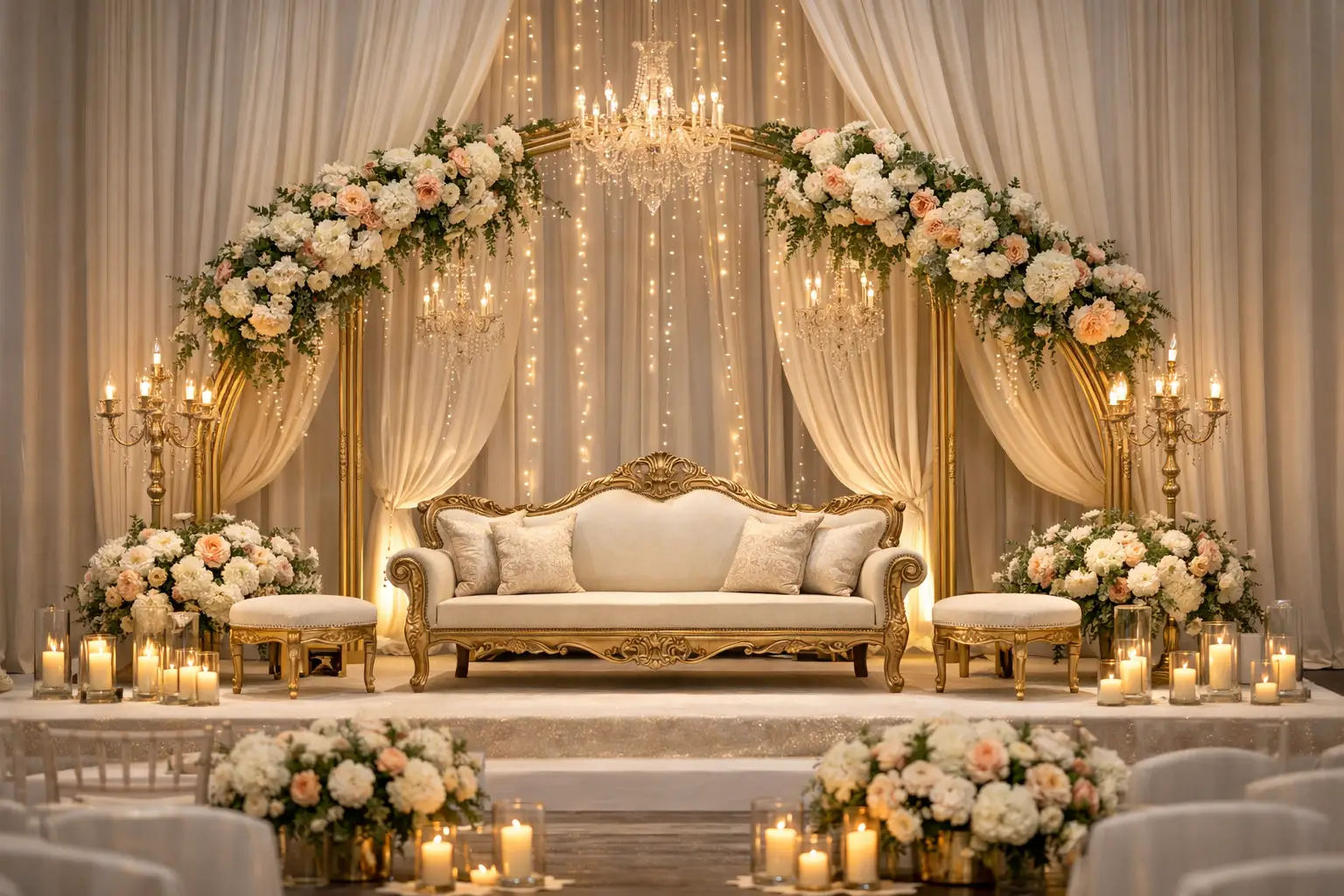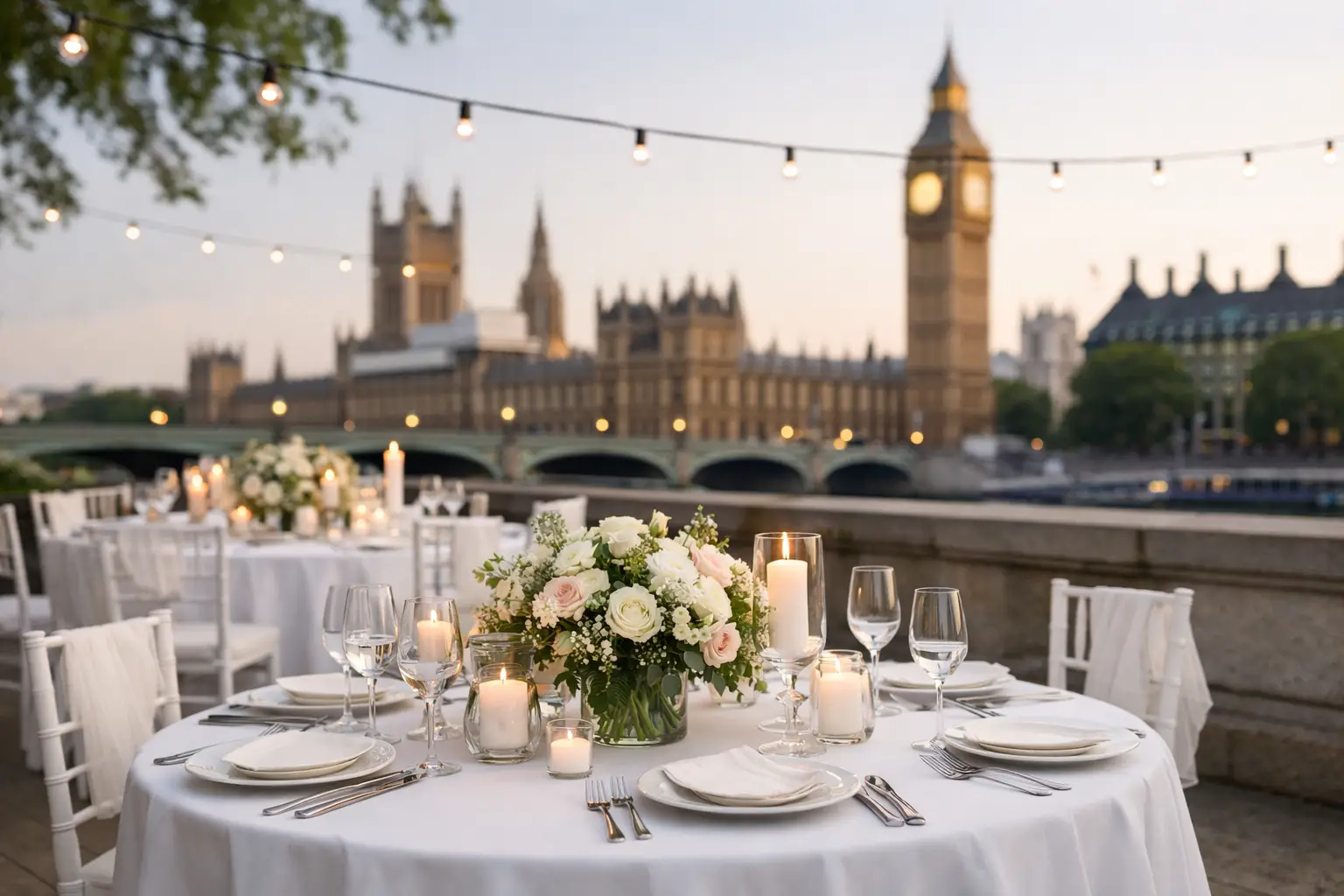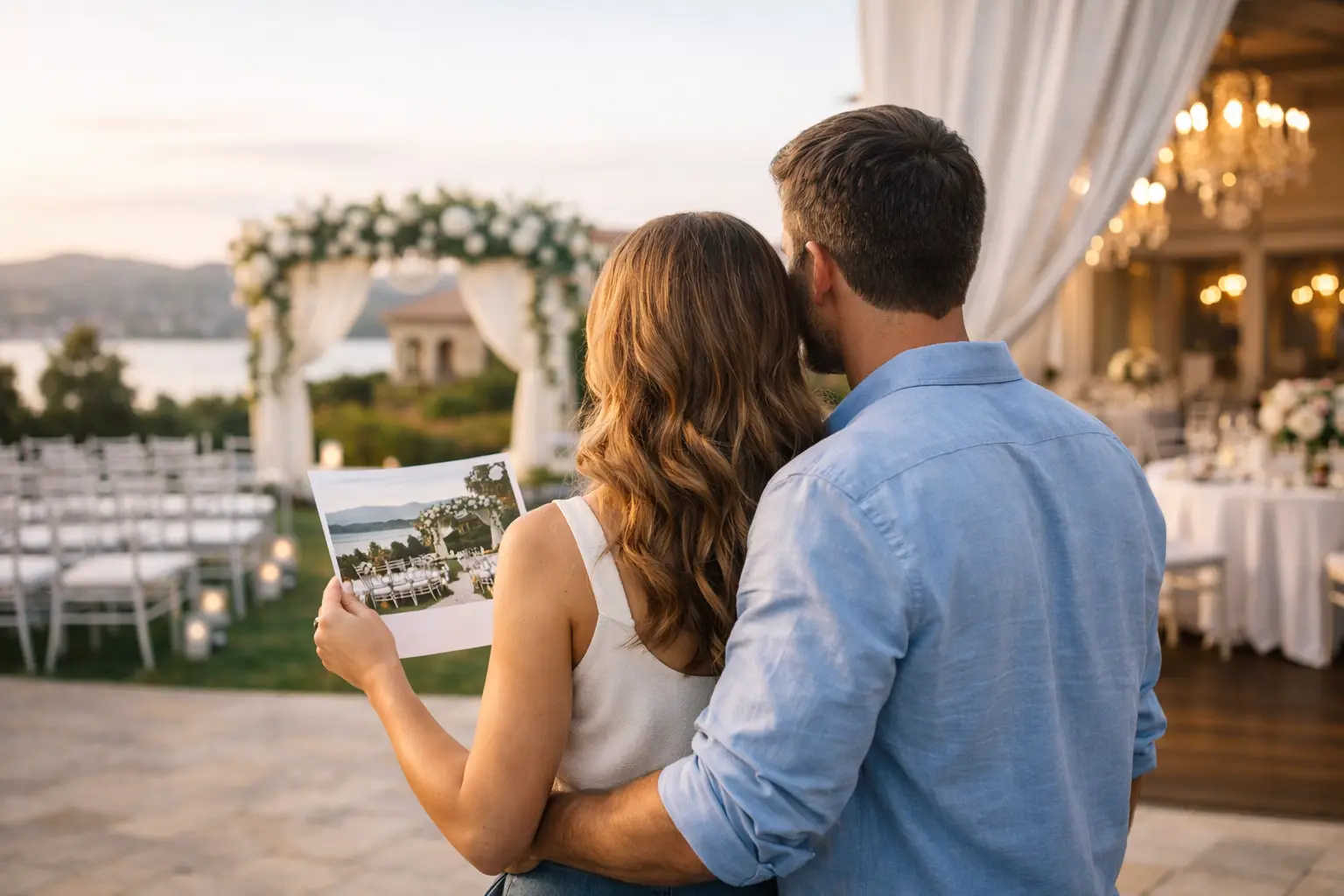
One of the first real tests of wedding planning arrives when you walk into a beautiful room and immediately picture your day there – only to realise later that the guest list will not fit, the catering rules are restrictive, or the timing does not suit your ceremony. That is exactly why knowing how to choose wedding venue properly matters. The right space does far more than look impressive in photographs. It shapes the atmosphere, the schedule, the guest experience, and the ease of everything that follows.

For many couples, especially those planning a large celebration or a culturally significant wedding, the venue is not simply a backdrop. It becomes the foundation of the day. If that foundation is right, planning feels calmer, clearer, and far more enjoyable. If it is wrong, even the most beautiful styling can struggle to compensate.

How to choose wedding venue starts with your wedding style

Before you compare price lists or visit event spaces, be honest about the wedding you are actually planning – not the one that looks good on a saved inspiration board. A refined civil reception for 120 guests has very different venue needs from a vibrant South Asian wedding with multiple events, a halal dining requirement, a large family presence, and a detailed stage setup.

Style is about more than décor. It includes the rhythm of the day, the level of formality, the cultural and faith elements involved, and the kind of hospitality you want guests to remember. Some couples want effortless elegance with an all-inclusive package that removes pressure. Others want the flexibility of dry hire so they can bring their own caterers, decorators, or family traditions into the celebration.

Neither approach is better. It depends on how involved you want to be and how much coordination you are comfortable managing. A venue that offers both structure and flexibility often gives you the best of both worlds.

Start with guest numbers, not your dream room

It is very easy to fall in love with chandeliers, entranceways, and a dramatic dance floor. Capacity, however, should come first. A room that is too small feels cramped and uncomfortable. A room that is too large can make even a lively wedding feel sparse.

When considering numbers, ask how the venue handles different layouts. A seated wedding breakfast, theatre-style ceremony, buffet service, head table, dessert stations, or a central stage all affect the way space is used. If you are hosting a wedding where extended family attendance is expected, build in room for that reality from the beginning rather than hoping numbers will somehow reduce later.

For multicultural weddings especially, guest counts can shift upwards quickly. It helps to ask not only for the venue’s maximum capacity, but its comfortable capacity for your style of event. Those two figures are not always the same.

Think about movement as well as seating

A well-chosen venue should allow guests to move easily from arrival to dining, speeches, prayer, entertainment, and departure. If the room works only when everyone is seated and still, it may not suit a celebration with several live moments and a busy family flow.

Catering can make or break the venue decision

Food is one of the most remembered parts of any wedding. For many families, it is also one of the clearest expressions of care, hospitality, and cultural identity. That means catering should never be treated as a small detail when deciding how to choose wedding venue.

Some venues insist on fixed in-house menus. That can work well if the quality is excellent and the team understands your expectations. But if you need halal catering, authentic regional cuisine, or menus that reflect Pakistani, Bangladeshi, British, or Afro-Caribbean traditions, the venue must be able to deliver that standard confidently.

This is where practical questions matter. Ask whether the catering is fully halal, whether separate preparation requirements can be respected, how service is managed for large guest numbers, and whether family preferences can be accommodated without stress. If the venue allows self-catering or external specialists, ask how that works operationally. Flexibility sounds attractive, but it still needs proper coordination, kitchen access, timing control, and experienced management.

A luxury wedding should feel generous, polished, and effortless for guests. That takes more than a menu on paper. It takes a venue team that understands what meaningful hospitality looks like in your community.

Cultural understanding is not a bonus – it is part of the service

A venue may be visually stunning and still be the wrong fit if the team does not understand the traditions surrounding your day. Weddings are deeply personal, but they are also shaped by family expectations, faith considerations, and ceremonial details that require sensitivity rather than guesswork.

If you are planning a Muslim wedding, for example, considerations may include halal catering, prayer space, timings around the nikah, modesty preferences, and the comfort of older relatives. For South Asian weddings, staging, family entrances, multiple outfit changes, and high-energy celebrations may all need to be factored into the running order. Afro-Caribbean weddings may place a strong emphasis on music, atmosphere, generous dining, and a vibrant evening celebration. British weddings often prioritise a smooth guest experience, polished service, and elegant flow from ceremony to reception.

The best venue teams do not merely say yes to these needs. They anticipate them. That level of cultural fluency reduces stress in ways couples often only appreciate once planning is underway.

Look beyond the ballroom

A venue can photograph beautifully and still create practical difficulties on the day. When you visit, pay attention to the full guest journey. Is there ample parking? Is the location straightforward for guests travelling from London, Essex, or further afield? Are older relatives able to access the space comfortably? Is there enough room for welcome drinks, private moments, supplier setup, and children who may need a little breathing space?

Luxury is not only about appearance. It is also about ease. Guests should arrive without confusion, move through the venue without bottlenecks, and feel cared for from the first moment to the last.

Ask what is included, then ask what is not

This is often where venue comparisons become clearer. One venue may appear less expensive until you discover that décor, coordination, table settings, catering management, or staffing all come at additional cost. Another may offer a higher headline figure but include the services that save you countless hours and avoidable stress.

When reviewing packages, look closely at what contributes to a genuinely effortless experience. A full-service venue with trusted supplier relationships, planning support, décor options, and hospitality expertise can offer better value than a cheaper room that leaves you to manage every moving part yourself.

For couples who want more freedom, dry hire can still be an excellent choice – but only if you are realistic about the amount of planning and oversight required. Freedom and convenience rarely sit at exactly the same level. Usually, you choose where you want the balance to fall.

Visit with a decision-making lens

Venue viewings can become emotional very quickly, and rightly so. This is where your wedding begins to feel real. Still, a good viewing should answer operational questions as well as aesthetic ones.

Notice how the team speaks to you. Are they simply showing a room, or are they helping you imagine your day with clarity? Do they ask about your traditions, guest numbers, catering expectations, and timeline? Do they seem confident with large celebrations and family-led events? Professional warmth matters. You want to feel looked after, not processed.

If a venue can explain how your reception will flow, where suppliers will set up, how guests will be welcomed, and how any cultural requirements will be handled, that is a strong sign of experience. At The Grove Banqueting, that kind of guidance is often what gives couples real peace of mind.

Trust the venue that makes planning feel lighter

The most beautiful venue is not always the one with the grandest first impression. Often, it is the one that quietly solves problems before they arise. It fits your guest list. It respects your traditions. It serves food your families will genuinely enjoy. It offers elegance without friction.

When deciding how to choose wedding venue, look for the place that supports the wedding you want to host, not just the images you want to capture. The right setting should feel like a masterpiece in the making, but also like a safe pair of hands. That combination is rare, and when you find it, you will feel the difference almost immediately.

Choose the venue that allows you to be fully present in one of the most meaningful days of your life. That is where real luxury begins.
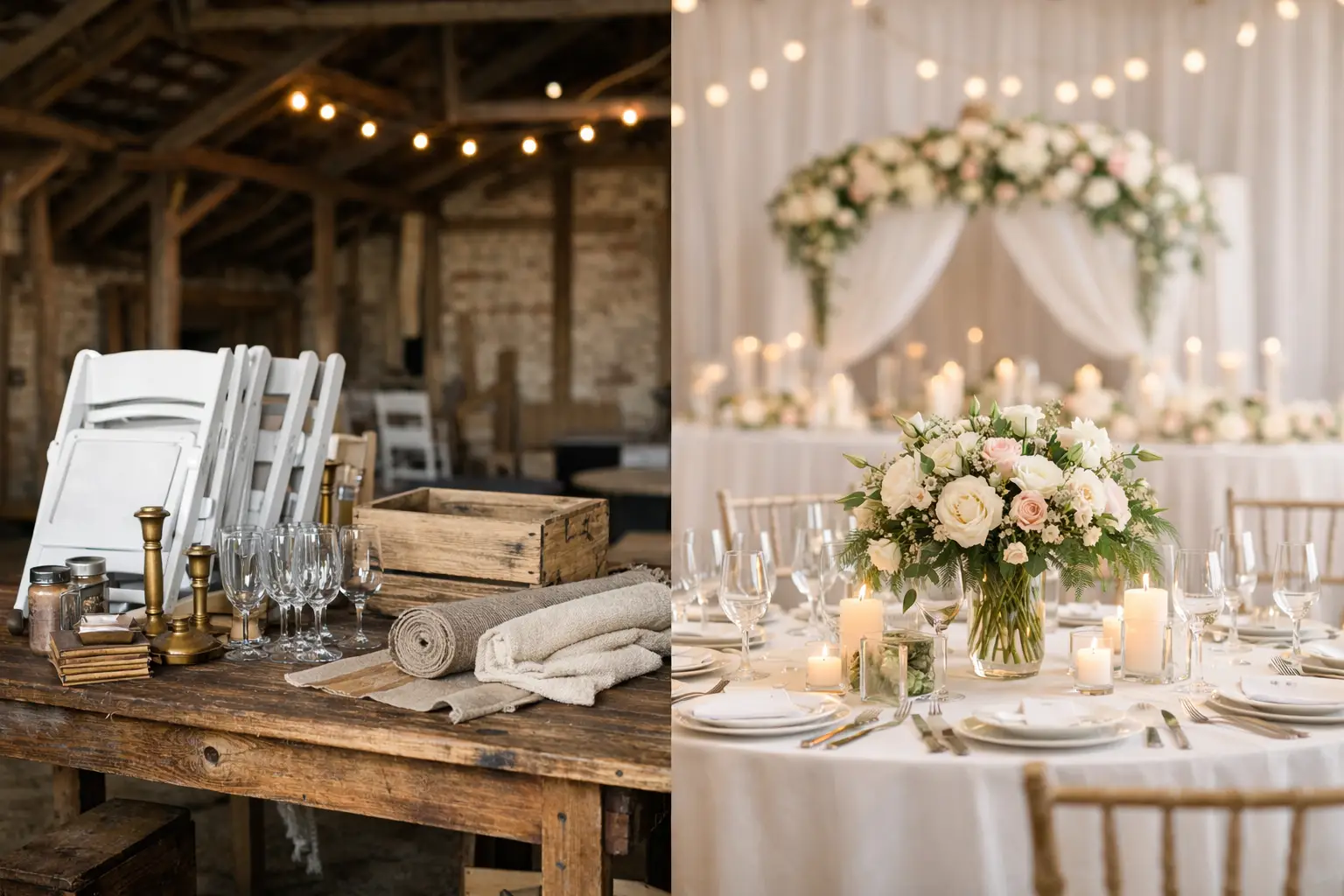
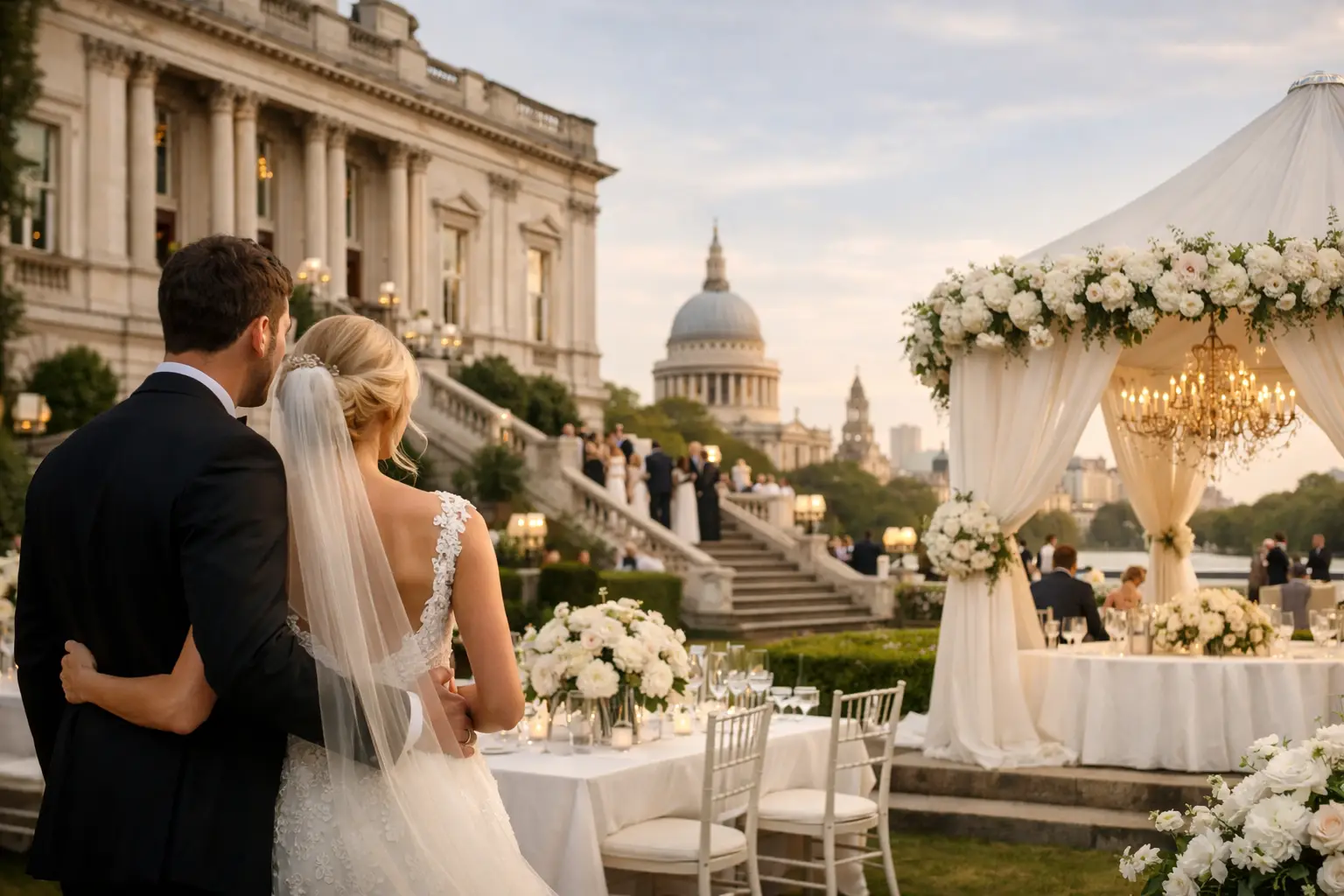
The choice between dry hire vs package venue often shapes far more than your budget. It affects how calm your planning feels, how much support your family needs on the day, and how confidently your venue can deliver the celebration you have imagined. For couples planning a wedding with cultural traditions, faith requirements and a substantial guest list, that decision deserves careful thought.

Some couples know from the start that they want full control. Others want the reassurance of an experienced team handling catering, décor and coordination under one roof. Neither option is automatically better. The right fit depends on your priorities, your timeline and how involved you want to be in every moving part.

What dry hire vs package venue really means

A dry hire venue is, in simple terms, the space itself. You hire the venue and then arrange the rest separately, from catering and décor to staffing, entertainment and sometimes even tables, linens or crockery depending on what is included. It gives you freedom, but that freedom comes with responsibility.

A package venue wraps key elements into one service. That might include venue hire, halal catering, drinks, décor, table settings, staffing, planning support and supplier coordination. At a premium level, it is designed to create effortless elegance while reducing the number of decisions and handovers you need to manage.

This is why the conversation is not only about price. It is about ownership of the detail. With dry hire, you are effectively building your wedding operation from the ground up. With a package venue, you are stepping into a system that has already been refined.

Why couples choose dry hire

Dry hire appeals to couples who have a very specific vision and do not want to be restricted by a preferred supplier list or a fixed package structure. If your family has a trusted caterer, a décor team you have worked with before, or cultural preferences that are highly individual, dry hire can feel like the most natural route.

There is also a perception that dry hire is always cheaper. Sometimes that is true, especially if you have strong supplier relationships or a simpler event format. If your wedding is smaller, your styling is minimal and your catering arrangements are already in place, dry hire can offer value.

For multicultural weddings, flexibility can be especially appealing. A family may wish to bring in a specialist regional caterer, separate dessert providers, female-only service staff for part of the celebration, or a particular stage design that reflects tradition. Dry hire can make room for that level of personalisation.

The trade-off is that every supplier becomes your responsibility to source, brief and manage. If one element runs late, clashes with another, or does not meet the venue requirements, there is no single team holding the whole plan together unless you hire a planner separately.

Why couples choose a package venue

A package venue is often chosen for peace of mind. That matters even more when you are planning a large wedding where guest experience, timing and hospitality all need to feel polished from the first arrival to the final farewell.

When catering, décor and venue coordination sit together, there is usually far less room for crossed wires. The kitchen knows the service plan. The décor team understands the layout. The operations team knows when the nikah, speeches or dancefloor transition must happen. That joined-up approach can be the difference between a beautiful idea and a beautifully executed event.

For many families, convenience is not a luxury extra. It is essential. Wedding planning can quickly become overwhelming when several relatives are involved, traditions need to be respected, and every detail carries emotional weight. A strong package venue removes much of that pressure without stripping away personality.

This is where an experienced venue can add genuine value. A team that understands halal service standards, South Asian wedding flow, British reception expectations and Afro-Caribbean celebration style is not simply supplying a room. They are protecting the quality of the occasion.

Cost is more nuanced than it first appears

The biggest misunderstanding in the dry hire vs package venue debate is cost. Dry hire may look less expensive on the initial quote because it excludes so much. Once you add catering, furniture, linens, crockery, waiting staff, security, cleaning, décor, generators for specialist equipment if needed, and coordination, the total can rise quickly.

A package venue can appear more premium at first glance, but the price often reflects a complete service rather than a partial one. It may also protect you from hidden extras and last-minute supplier issues that cost both money and stress.

That does not mean every package is better value, or that every dry hire is a false economy. It means you need to compare like with like. Ask what is actually included. Ask who is managing setup and breakdown. Ask whether service staff, corkage, cleaning, parking support, prayer space considerations or kitchen access are covered. A lower starting figure can be misleading if essential elements are still to come.

Control versus convenience

At the heart of the choice is a very personal question. Do you want control, or do you want convenience?

With dry hire, control is the headline benefit. You can select your own caterers, create a fully bespoke styling scheme and build the supplier team around your exact preferences. For couples who enjoy planning and have time to give, that can be exciting.

With a package venue, convenience is the stronger draw. You still have room to personalise, but the framework is already in place. You are not chasing ten separate suppliers for confirmations, delivery times and setup access. Instead, you are refining details with a team that already knows how to bring the day together.

Neither route is more romantic or more sophisticated. They simply suit different people. Some couples feel empowered by detail. Others feel relieved when an expert takes the lead.

Dry hire vs package venue for cultural and faith-based weddings

This is where the decision becomes even more important. Weddings shaped by faith and culture often involve details that standard event planning does not fully account for. Halal catering is not just a menu choice. It is a matter of trust, sourcing and kitchen standards. Prayer arrangements, family seating dynamics, separate ceremonies, late-night food, traditional entrances and specialist décor all require understanding as well as willingness.

A dry hire venue can work beautifully if your supplier team has strong cultural knowledge and the venue itself is genuinely equipped to support your plans. But if the venue staff are unfamiliar with your format, the burden of explaining and coordinating often falls back onto you or your family.

A package venue with cultural fluency offers a different level of reassurance. If the team already understands the rhythm of a Muslim wedding, the expectations around hospitality, or the visual impact needed for a South Asian or Afro-Caribbean celebration, planning feels more natural. That expertise saves time, avoids awkward compromises and helps the day feel like a masterpiece rather than a patchwork.

Who each option suits best

Dry hire tends to suit couples who have the time, confidence and support network to manage multiple suppliers. It also suits those with highly specific supplier preferences or a very bespoke event brief that falls outside standard packages.

A package venue tends to suit couples who want excellence with less friction. It is especially valuable for large guest lists, families planning from different locations, and celebrations where food, décor and timing must all work together with precision. For many, it turns months of pressure into a far more enjoyable journey.

At venues such as The Grove Banqueting, that balance matters. Some couples want the flexibility of dry hire. Others want the refinement of a complete wedding package with trusted halal catering, décor expertise and planning support already in place. The best venues understand that luxury is not one fixed format. It is about giving couples the right level of support for their style of celebration.

Questions worth asking before you decide

Before choosing either route, ask yourself who will actually manage the details when the wedding week arrives. Think honestly about how much decision-making you want to carry, how important supplier freedom is to you, and whether your event needs cultural knowledge that cannot be improvised.

It is also worth asking what kind of experience you want for your family. If the people closest to you should be hosting guests, enjoying the moment and feeling proud, rather than solving logistics, a well-run package venue often becomes very attractive.

The right venue should not only look impressive in photographs. It should make the whole occasion feel calm, cared for and worthy of the milestone it represents.

Choosing between dry hire vs package venue is really about choosing how you want your wedding to feel behind the scenes. If the planning journey matters as much as the final reveal, that answer will usually guide you in the right direction.

The first thing guests remember is not the chair sashes or the cake table. It is the feeling they have when they arrive – the sense that everything has been considered, every detail belongs, and the day ahead will be extraordinary. That is why any true luxury wedding venue guide should begin with atmosphere. For couples planning a celebration in London, Essex or Romford, luxury is not simply about a beautiful room. It is about confidence, comfort and a setting that can carry the weight of one of life’s most meaningful occasions.

A luxury venue should look impressive, of course, but appearance alone is never enough. The finest wedding spaces combine visual impact with thoughtful service, cultural understanding and the practical ease that keeps a large event running beautifully. When families are bringing together traditions, guest expectations and significant investment, the right venue becomes the foundation for everything else.

What a luxury wedding venue guide should help you judge

The best venues create effortless elegance because the hard work is happening quietly in the background. That means your search should go beyond photographs. A grand entrance, a polished ballroom and refined décor matter, but so do parking, accessibility, guest flow and the experience of the team managing your day.

For many couples, especially those planning Asian, Muslim, British or Afro-Caribbean weddings, luxury also means being understood. A venue may be stylish, yet still be the wrong fit if it does not appreciate the pace, structure and traditions of your celebration. The difference is often felt in the details – whether the team can accommodate a nikah with sensitivity, whether halal catering is handled properly, whether décor can reflect your heritage without feeling formulaic, and whether your families feel reassured rather than overwhelmed.

A genuinely premium venue gives you both beauty and capability. It should be able to host a large guest list without feeling crowded, support formal moments and lively celebrations with equal polish, and provide a standard of hospitality that makes every guest feel looked after.

Start with the guest experience, not just the ballroom

Couples often fall in love with a room before asking how the day will actually work. That is understandable, but it can lead to expensive compromises later. A luxury wedding should feel smooth from arrival to final farewells.

Think about how your guests will reach the venue, where they will park, and whether elderly relatives can move around comfortably. Consider whether there is enough space for separate elements of the day, such as a ceremony, reception, dining and evening entertainment. If your celebration includes a large number of guests, convenience becomes part of the luxury.

This is particularly important for multicultural weddings, where the day may involve layered timelines, extended family arrivals, prayer considerations or distinct ceremonial moments. A venue that appears glamorous in a brochure but struggles with logistics can quickly lose its shine. By contrast, a well-run venue allows everyone to remain present, relaxed and ready to celebrate.

Style matters, but flexibility matters more

Every couple wants a setting that reflects their taste. Some want soft romantic décor, some prefer a regal finish, and others want a contemporary look with clean lines and dramatic lighting. The challenge is finding a venue with enough character to feel special and enough flexibility to make the space your own.

This is where many luxury venues separate into two categories. Some are visually striking but restrictive. Others offer a more adaptable canvas, allowing floristry, staging, table design and lighting to transform the room around your vision. Neither is automatically better – it depends on how personal you want the result to feel.

If you have a clear design brief, ask how much can be customised. If you are relying on the venue’s expertise, look at how they translate ideas into a coherent final look. Luxury is rarely about excess for its own sake. It is about thoughtful styling, quality materials and a finish that feels complete rather than cluttered.

Catering is one of the clearest signs of quality

A beautiful venue can still disappoint if the food does not match the setting. Guests may forgive many things, but they remember a meal that felt generous, authentic and expertly served. For that reason, any luxury wedding venue guide should treat catering as a central decision, not an add-on.

For Muslim weddings, halal standards must be clear and non-negotiable. For South Asian celebrations, authenticity matters just as much as presentation. A menu may sound impressive on paper, but if the flavours do not feel true to the cuisine, families will notice immediately. The same applies to Afro-Caribbean dishes, British wedding breakfasts and fusion menus designed for mixed-heritage celebrations.

Ask whether the venue provides in-house catering, trusted catering partners or the option for self-catering. There is no single right answer. An all-inclusive model often brings greater consistency and less stress, while dry hire can offer more personal control for couples with specialist family caterers or preferred suppliers. The key is understanding the trade-off. More flexibility can mean more coordination. More convenience can mean choosing from a curated rather than unlimited range.

The value of all-inclusive planning

Many couples begin their venue search thinking they only need a beautiful hall. Later, they realise they also need décor management, supplier timing, catering coordination, staffing and a team capable of holding the entire day together. That is why all-inclusive wedding packages have become so attractive at the luxury end of the market.

A strong package does not remove personality from your wedding. It removes friction. Instead of spending months chasing separate providers, comparing standards and managing competing timelines, you work with a venue that already understands how to deliver a polished result. This can be especially valuable for large family weddings where expectations are high and there are many moving parts.

That said, flexibility still matters. Some couples want the reassurance of a complete package, while others want to bring in their own caterers, décor team or cultural specialists. The best venue providers understand both needs. They can offer structure where it helps and freedom where it matters.

At The Grove Banqueting, this balance is a major part of the appeal for couples who want luxury without unnecessary complication. A venue that can offer halal catering, décor, hospitality and planning support, while also accommodating dry hire where appropriate, gives families room to choose the level of service that suits them best.

A luxury wedding venue guide for multicultural celebrations

Not every premium venue is prepared for a multicultural wedding. Some are elegant in appearance but inexperienced in practice. For couples blending faith, heritage and modern expectations, that gap can create avoidable stress.

An experienced venue team understands that traditions are not minor details. They shape the timing, layout and mood of the day. The requirements of a Muslim wedding may differ from a British reception or an Afro-Caribbean celebration, and some families may combine all three influences across one event. A venue should be able to adapt without making the couple feel they are asking for something unusual.

This is where cultural fluency becomes a luxury in its own right. When the team already understands modesty considerations, halal service standards, ceremonial pacing and large family dynamics, the planning process feels calmer. You spend less time explaining and more time refining. That confidence is difficult to quantify, but it is often what makes a wedding feel truly well cared for.

Questions worth asking before you book

A viewing should leave you feeling excited, but also informed. Ask how the venue handles guest numbers, service timing and supplier coordination. Ask what is included, what is optional and what can be personalised. If catering is important, request clarity on menus, tasting opportunities and dietary needs. If your wedding includes specific cultural or faith requirements, raise them early and listen carefully to how the team responds.

It is also wise to ask who will oversee your day. Luxury is not only about the room you hire. It is about the people behind it. A calm, organised and attentive events team can protect the atmosphere of your wedding in ways guests may never see, but you will certainly feel.

Finally, trust your instincts. If a venue makes you feel understood, supported and confident, that matters. The right setting should not leave you wondering how everything will come together. It should make perfection feel possible.

Choosing a wedding venue is not simply a booking decision. It is the moment your plans begin to take shape in the real world. When you find a space that offers beauty, cultural understanding and practical ease in equal measure, the entire celebration starts to feel lighter – and that is often the clearest sign you are exactly where you need to be.

The first real pressure point in any wedding is not the flowers or the outfit. It is the moment two families realise they are not planning a small dinner, but a meaningful celebration shaped by faith, culture, hospitality and expectation. A strong Muslim wedding planning guide should make that feel clearer, not more complicated.

For many couples across London, Romford and Essex, the challenge is balancing beauty with practicality. You want a day that feels refined and memorable, but also one that respects Islamic values, welcomes guests properly and runs without unnecessary stress. That usually means making early decisions about the nikah, guest numbers, halal catering, family involvement and whether your venue can genuinely support the way Muslim weddings unfold in real life.

What a Muslim wedding planning guide should cover first

Before you compare décor palettes or stage designs, begin with the structure of the celebration itself. Muslim weddings are not all planned in the same way. Some couples hold a simple nikah followed by an intimate meal. Others plan a larger reception, a separate ladies’ event, a walima, or a full weekend of gatherings shaped by South Asian, Arab, African or British traditions.

That difference matters because your planning decisions flow from it. A wedding with 120 guests and one ceremony has very different needs from a 500-guest celebration with a late finish, multiple outfit changes and extensive family hosting. The earlier you define the format, the easier it becomes to choose the right venue, catering model and timeline.

It is also worth discussing what is religiously essential and what is culturally preferred. This can prevent tension later. For example, some families place great importance on gender-conscious arrangements, modest entertainment choices or prayer access, while others are more flexible. Neither approach should be assumed. Clear conversations at the start protect both the experience and the budget.

Start with faith-sensitive priorities

The most successful weddings are usually the ones that treat faith requirements as part of the design, not as last-minute adjustments. If the nikah is happening on site, ask practical questions early. Is there a suitable space for the ceremony itself? Is there privacy where needed? Can the room layout be adapted comfortably? Is there somewhere appropriate for prayer during the event?

Food is another early priority. Halal catering is not just a box to tick. Families notice quality, authenticity and service. A beautifully presented meal that is genuinely well executed becomes part of the memory of the day. If your guest list includes a wide age range and different cultural backgrounds, menu planning deserves proper attention. Traditional Pakistani and Bangladeshi dishes may be exactly right for one family, while another may want a broader menu with familiar British options alongside classic celebration dishes.

This is where convenience without compromise matters. A venue that already understands halal service, large guest numbers and culturally specific hospitality can remove a great deal of uncertainty. When couples have to explain the basics repeatedly to different suppliers, planning becomes heavier than it needs to be.

Decide how much support you really want

Some couples want full planning support with trusted catering, décor and coordination included. Others want the freedom of dry hire so they can bring in their own specialists or family-preferred suppliers. Neither option is automatically better. It depends on how hands-on you want to be, how complex the event is, and how much time your household realistically has.

An all-inclusive model tends to suit couples who want a polished result with less chasing, fewer moving parts and stronger accountability. Dry hire can work well if you already have excellent suppliers or a very specific vision, but it often requires closer management. Luxury is not only about how a wedding looks. It is also about how calmly it comes together.

Building a realistic budget without losing the feeling

Budget conversations can become uncomfortable because weddings are emotional as well as financial. The key is to distinguish between the elements guests will notice immediately and the details that matter more to you personally. Venue quality, food, service, comfort and room presentation nearly always shape the strongest impressions.

If your event is large, generous spacing, smooth arrival, proper parking and efficient service are not minor details. They affect the whole atmosphere. A glamorous stage means less if guests are queuing awkwardly, struggling to find seats or waiting too long to be served. Good planning protects elegance.

It also helps to budget around the flow of the event rather than a list of isolated items. For example, extending your booking time may be more valuable than adding another decorative feature if it gives room for the nikah, photographs, dining and family greetings without rushing. Equally, investing in experienced catering staff may matter more than adding one more visual extra.

Large guest lists need operational thinking

Many Muslim weddings involve substantial guest numbers and close family networks. That creates warmth and energy, but it also changes the logistics. You need to think about arrival times, prayer moments, seating plans, serving style, elderly guests, children and how the couple will move through the room.

This is where an experienced venue team becomes especially valuable. A beautiful room is only one part of the picture. What matters just as much is whether the team can manage timing, coordinate suppliers and keep the event feeling composed even when the schedule shifts slightly, as weddings often do.

Choosing the right venue for a Muslim wedding

A venue for a Muslim wedding should be judged on more than appearance. Luxury surroundings matter, but so does cultural understanding. You want a team that recognises why family entrances, catering standards, modesty considerations and hospitality etiquette carry weight.

Ask practical questions with confidence. Can the venue handle your guest count comfortably? Is there enough parking? Is it accessible for elderly relatives? Are there trusted halal catering options? Can décor be tailored to your style, whether you prefer understated elegance or a grand statement? Can the team support a structured timeline rather than simply renting you a room?

A venue should make the day feel easier from the first enquiry. For couples planning in East London and Essex, accessibility is part of the luxury experience. When guests can reach the venue easily and the family is not managing avoidable complications, the whole celebration feels more effortless.

One reason couples look for specialist support is that Muslim weddings often carry layers of expectation from both sides of the family. A venue team with real experience in culturally tailored celebrations can help translate those expectations into a workable plan. That confidence is often what turns a good event into a masterpiece.

Décor, atmosphere and respectful celebration

There is no single Muslim wedding aesthetic. Some couples want crystal chandeliers, dramatic florals and a statement stage. Others prefer soft neutral tones, candlelight and timeless sophistication. The right décor is the one that suits the scale of the room, honours the couple’s taste and does not fight against the flow of the event.

It is wise to think about décor in layers. The entrance creates anticipation. The stage or focal area shapes photographs. Table styling affects the dining experience. Lighting changes the mood more than many couples expect. When these elements work together, the room feels intentional rather than crowded.

Entertainment choices also deserve thought. Depending on your preferences and family expectations, you may choose a more restrained atmosphere, spoken moments, nasheeds or carefully selected live elements. The right choice is the one that feels comfortable for you and appropriate for your guests. A premium celebration does not need to be loud to feel unforgettable.

The timeline that keeps the day graceful

A well-planned timeline protects the feeling of the wedding. Build around your fixed moments first – the nikah, arrivals, dining and any formal family greetings. Then create breathing space between them. Couples often underestimate how long photographs, greetings and transitions take, especially at larger events.

Try to avoid overloading the schedule. If every moment is tightly packed, even small delays create pressure. Leave room for reality. Elder relatives may arrive slowly. Family members will want time with the couple. Outfit changes often take longer than expected. A graceful event allows for these things without looking disorganised.

This is where venue coordination quietly matters most. The best teams manage timing in the background so the couple can stay present. At The Grove Banqueting, this is often what families value most after the event – not only the room itself, but the sense that every moving part was handled with care.

A Muslim wedding planning guide is really about peace of mind

Perfection in wedding planning rarely means controlling every detail. More often, it means making thoughtful decisions early, choosing experienced partners and giving your celebration the structure it deserves. Faith, family and style can absolutely sit together beautifully, but they need the right setting and the right support.

If you are planning a Muslim wedding, look for the choices that create calm. A venue that understands your priorities, catering that feels authentic, and a team that respects both tradition and modern expectations will always take you further than trends alone. When the practical side is handled properly, the joy of the day has room to shine.

The moment a family agrees on a wedding date, the venue becomes more than a box to tick. It sets the pace for everything that follows – catering, décor, guest numbers, ceremony timing, supplier availability and the overall feel of the day. If you are asking when to book wedding venue plans, the honest answer is earlier than most couples expect, especially if you want a premium setting, a prime date and a celebration that runs with effortless elegance.

For many couples across East London, Romford and Essex, the venue is the cornerstone of the entire wedding. That is even more true for large receptions, culturally rich celebrations and faith-sensitive events where layout, food service, prayer space, staging and guest flow all matter. A beautiful room is only part of the picture. The right timing gives you choice, calm and the space to create something truly special.

When to book wedding venue for the best choice

As a general rule, couples should aim to book their venue 12 to 18 months before the wedding. If you are planning a sought-after summer Saturday, a bank holiday weekend or a date with cultural or religious significance, 18 months is often the safer window. Premium venues with strong reputations can see their best dates reserved well in advance.

If your wedding is more intimate, planned for a weekday, or set in a quieter season such as January or February, you may have more flexibility. In those cases, 9 to 12 months can still work well. Some couples do secure exceptional venues in a shorter timeframe, but that usually means being more open on date, day of the week or package style.

The reason early booking matters is simple. Once the venue is confirmed, the rest of your planning becomes far easier. You can finalise guest numbers with confidence, begin styling the space, coordinate catering and secure your preferred photographers, decorators and entertainers around a fixed schedule.

Why larger and cultural weddings need more notice

Not all weddings follow the same planning rhythm. A civil reception for 80 guests is very different from a grand walima, a vibrant mehndi, a traditional Nigerian celebration or a multi-part wedding weekend with hundreds of guests. The more complex the event, the earlier the venue should be secured.

Larger weddings need a venue that can handle capacity without losing its sense of luxury. Families also want practical reassurance – generous parking, accessible location, a welcoming entrance, smooth service areas and enough room for dining, dancing and stage moments. Those details narrow the field quickly, which is why the best-fit venues are often booked first.

For Muslim weddings, halal catering standards, prayer considerations and confidence around faith-sensitive planning can be just as important as aesthetics. For South Asian and Afro-Caribbean celebrations, there may also be specific expectations around food, entertainment, room transitions and family seating. If your venue team already understands these elements, it saves enormous stress later. That kind of expertise is in demand, and demand affects availability.

The seasons that book fastest

Spring and summer remain the most competitive wedding seasons in the UK, particularly from May to September. Saturdays are the first to go, followed by Fridays and Sundays around peak periods. If your heart is set on a summer weekend, booking early is not just sensible – it gives you a realistic chance of securing the date you actually want.

December can also be busy, especially for couples who want a glamorous winter reception. Festive dates create a beautiful atmosphere, but they also compete with corporate events and seasonal celebrations. If you are considering late December, book as early as you would for summer.

Autumn is often underestimated. September and October weddings have become increasingly popular because they offer rich colour, elegant lighting and slightly more forgiving weather than high summer. That means these months can fill faster than expected.

Signs you should book your venue immediately

Some couples spend months researching before they enquire. Others move quickly once they find a venue that feels right. If any of the following apply, it is wise to book sooner rather than later.

If your guest list is likely to be large, availability will matter more because fewer venues can host significant numbers with genuine comfort and polish. If both families are involved in decision-making, extra notice helps everyone feel included without creating delays that cost you your preferred date. If your wedding date has personal meaning, such as an anniversary, school holiday period or a time when overseas guests can travel, waiting can reduce your options very quickly.

You should also move decisively if you want an all-inclusive package. Venues that combine catering, décor, coordination and trusted supplier support offer valuable convenience, but because they simplify so much of the process, they are often booked early by couples who want quality without compromise.

What if you are planning on a shorter timeline?

A shorter engagement does not mean you must settle. It simply means your approach needs to be more practical. If you are booking within six to nine months, flexibility becomes your greatest advantage. Being open to a Friday, Sunday or off-peak month can open doors to exceptional venues that may not have Saturday availability.

It also helps to decide quickly on your non-negotiables. Is it the guest capacity, the halal catering, the décor potential, the location, or the fact that the venue can support several traditions with confidence? Once you know what matters most, you can make strong decisions instead of stretching the search and losing good options.

Couples on shorter timelines often benefit from venues with experienced in-house support. A team that can coordinate food, service flow and styling will save time and prevent the feeling that everything is happening at once. That is where a polished venue partner can make the planning process feel remarkably calm.

How your venue booking affects every other supplier

The venue is usually the first major booking because it influences almost every other detail. Florists need to know the scale and style of the room. Decorators need measurements, access times and rigging possibilities. Caterers need kitchen arrangements, service logistics and timing. Photographers and videographers want to understand the light, entrances and backdrop opportunities.

If you delay the venue decision, you may also delay your first-choice supplier team. That can lead to compromises later, particularly in busy wedding seasons when premium suppliers are handling multiple enquiries for the same dates.

This is especially relevant for weddings with specialist requirements. Live cooking, separate sweet tables, stage design, partitioned areas, prayer facilities or bespoke room styling all work best when planned around a confirmed venue. The earlier that conversation starts, the more refined the result tends to be.

How to know you are ready to book

You do not need every detail finalised before reserving a venue, but you should have enough clarity to move with confidence. Ideally, you should know your approximate guest count, preferred season, budget range and whether you want all-inclusive support or more flexibility with external suppliers.

It is also worth discussing the priorities that sit behind the aesthetics. Many couples begin with how they want the room to look, but the strongest decisions usually come from asking how they want the day to feel. Smooth arrival. Warm hospitality. Food guests remember. Space for traditions. A setting that looks refined in person and on camera. When those priorities are clear, the right venue tends to stand out quickly.

At The Grove Banqueting, couples often find that a venue search becomes much easier when luxury presentation is matched by genuine understanding of cultural traditions and practical needs. That balance is what turns a lovely event into a masterpiece that feels personal, polished and beautifully managed.

The best time to start viewing venues

Start viewing venues as soon as you have a rough idea of your wedding season and guest numbers. That is often 15 to 18 months before the wedding for peak dates, or around 12 months before for quieter periods. Even if you are not ready to commit on the spot, early viewings help you understand pricing, availability and what level of finish you can expect within your budget.

Try not to wait until every family detail is settled. In reality, many dates are lost while couples pause for perfect certainty. A better approach is to shortlist carefully, ask direct questions and book when the venue meets your key needs with confidence.

There is always a balance between moving thoughtfully and moving too slowly. The best wedding planning decisions usually feel both emotional and practical. You walk into a space and can picture the entrance, the stage, the laughter, the photographs and the families gathered together. Then the practical side confirms what your instincts already know.

If you are wondering when to book wedding venue plans, think of it this way: book as soon as you find a space that fits your date, your guests and your vision with complete confidence. Peace of mind is one of the finest luxuries you can give yourselves at the start of wedding planning.

A beautiful wedding meal is never just about feeding guests. In Muslim wedding catering, every detail carries weight – the halal integrity of the menu, the generosity of service, the timing of courses, and the confidence families feel when they know traditions are being handled with care.

For many couples, catering is where excitement and pressure meet. It is one of the most visible parts of the day, one of the biggest investments, and one of the easiest places for standards to slip if your venue or suppliers do not fully understand the occasion. When the guest list is large, expectations are high, and several generations are involved in decision-making, the right catering partner does far more than prepare food. They help create a celebration that feels polished, warm and completely in tune with your values.

What Muslim wedding catering really needs to deliver

At its best, Muslim wedding catering balances three things at once – faith, hospitality and excellence. Guests should feel the abundance of the occasion, but the couple and their families should also feel reassured that nothing has been treated as an afterthought.

That starts with halal standards. A menu may sound suitable on paper, yet confidence often comes from the practical details behind it. Families will want to know where meat is sourced, how food is handled, whether preparation areas are properly managed, and how clearly the caterer understands halal requirements rather than simply claiming to offer them. This is especially important when couples are comparing venues that cater for many types of events. The distinction between genuinely experienced halal wedding catering and a generic events kitchen becomes very clear once you begin asking specific questions.

Beyond halal compliance, there is the matter of expectation. Muslim weddings are known for hospitality. Guests do not simply expect a meal – they expect generosity, flavour, and service that feels attentive from arrival through to the final tea or dessert. A sparse reception or inconsistent service can change the mood of an otherwise stunning event very quickly.

Why menu authenticity matters

Many Muslim weddings across London and Essex reflect rich cultural traditions from Pakistani, Bangladeshi, Indian, Arab, African and mixed-heritage backgrounds. That means the food often carries family memory as much as it does celebration. A biryani that lacks depth, a curry that feels adapted for convenience, or starters that arrive without freshness and balance will be noticed immediately.

Authenticity matters because wedding guests know the difference. They understand when a dish has been prepared by a team that genuinely specialises in the cuisine and when it has been simplified to suit a standard banqueting operation. For couples, this is not a minor point. The meal should feel worthy of the day, not like a compromise hidden behind elegant presentation.

This is where experience becomes invaluable. Specialist caterers and culturally fluent venues understand that classic dishes need to be executed properly at scale. Cooking for 300 or 500 guests is very different from producing restaurant portions, and not every team can maintain quality, consistency and timing under that level of pressure. A premium setting should never mean sacrificing flavour for presentation. The strongest wedding teams know you need both.

The role of service in a halal wedding reception

Food quality is only one half of the experience. Service shapes how guests remember the event.

A luxury wedding meal should feel smooth and well-paced, particularly when the day includes a nikah, speeches, stage photos, family greetings, prayer considerations and a carefully planned running order. If service is too slow, the room loses energy. If it is rushed, the celebration can feel transactional. Good Muslim wedding catering supports the rhythm of the event rather than interrupting it.

There is also a practical side to this. Large family weddings often include elders, young children and guests travelling considerable distances. They need clear seating, efficient service and staff who remain calm and courteous throughout. When hospitality is strong, the room feels looked after. When it is weak, even beautiful décor cannot compensate.

Experienced venues understand that catering and operations must work together. Kitchen timing, table service, room turnover, staging and guest flow should be coordinated as one. That is often the difference between a wedding that feels stressful behind the scenes and one that feels effortlessly elegant from start to finish.

Choosing between set menus and a tailored approach

There is no single correct format for every Muslim wedding. Some couples want a classic plated meal with a refined, formal feel. Others prefer generous buffet service that encourages variety and suits larger guest numbers. In some cases, a mixed format works best – perhaps canapés or starters on arrival, a main service that reflects the family’s preferred cuisine, and a dessert station for a more celebratory finish.

The right choice depends on your guest profile, budget, schedule and priorities. A set menu can give you control and consistency. A tailored menu can better reflect family heritage and personal taste. Neither is automatically better. What matters is whether the catering team can execute your chosen format to a genuinely high standard.

This is also where flexibility becomes important. Some families want a trusted venue partner to handle every element, from food and décor to staffing and timeline management. Others prefer dry hire or self-catering options so they can bring in a family-favourite chef or a specialist caterer. A venue with the confidence to offer both usually understands that luxury is not about forcing one model. It is about giving couples the right support for the celebration they actually want.

Questions families should ask before booking

When comparing options for Muslim wedding catering, polished brochures and sample menus only tell part of the story. The stronger questions are usually operational.

Ask how halal sourcing is managed and whether the team regularly caters for Muslim weddings at scale. Ask who will oversee service on the day and how the kitchen coordinates with the wider event schedule. Ask whether the menu can reflect specific cultural dishes without losing consistency for large numbers. If you are expecting guests with dietary needs, ask how those meals are prepared and served discreetly.

It is also sensible to ask about logistics that directly affect the meal. Is there sufficient kitchen capacity for your guest count? Can the venue manage staggered service if the event runs across several hours? Is parking straightforward for a large family audience? Are there spaces that allow guests to move comfortably between reception moments without crowding the dining experience?

These details may seem secondary during the early stages of planning, yet they often determine whether the day feels calm or chaotic.

Why venue and catering should work as one team

A wedding menu never exists in isolation. It sits within a wider experience that includes room layout, décor, timetable, staffing, access and guest comfort. That is why many couples prefer a venue that can coordinate catering as part of a complete service rather than leaving each supplier to work independently.

When venue and catering teams already understand each other’s standards, the process becomes far simpler. Tastings are clearer, timings are more realistic, and responsibilities are easier to manage. Families do not need to spend months relaying the same information between separate suppliers. Instead, they can focus on the decisions that actually shape the personality of the day.

At a venue such as The Grove Banqueting, this joined-up approach is especially valuable for large, culturally detailed weddings. Couples can benefit from authentic halal catering, elegant presentation and planning support without losing the option of flexibility where it matters most. That balance – convenience without compromise – is often exactly what busy families are looking for.

The standard your guests will remember

Guests may compliment the stage, the lighting or the bridal entrance, but they often talk about the food long after the last dance. They remember whether they were welcomed properly, whether the meal felt generous, and whether the day carried the care and excellence the occasion deserved.

That is why Muslim wedding catering should never be treated as a simple box to tick. It is part of the emotional heart of the celebration. Done properly, it reflects faith with integrity, honours culture with confidence, and gives every guest the feeling that they have been invited to something truly special.

If you are planning a wedding that deserves both grandeur and genuine understanding, choose a catering and venue team that can deliver more than a menu. Choose one that understands what the meal means.

The guest list has already started growing, both families have opinions, and every decision seems to carry equal weight. That is usually the point when couples begin asking how to plan a halal wedding in a way that feels faithful, elegant and manageable. A beautiful celebration is not created by chance. It comes from clear priorities, thoughtful structure and a venue team that understands what matters to you and your families.

A halal wedding is never one-size-fits-all. Some couples want a large, glamorous reception with separate spaces and a full programme. Others prefer a more intimate gathering with modest styling and a simpler flow. The right approach depends on your values, your community, your guest list and how closely you want every part of the day to reflect specific religious and cultural expectations.

Start with faith, not aesthetics

Before you look at chandeliers, stage designs or menu tastings, decide what halal means for your wedding in practical terms. For some families, that begins and ends with certified halal catering and a respectful atmosphere. For others, it also includes separate seating, gender-segregated celebrations, no alcohol, modest dress expectations, prayer facilities and careful entertainment choices.

This conversation needs to happen early, and it needs to include the people whose input will shape the day. If expectations are left vague, small assumptions quickly become major points of stress. A couple may picture a mixed celebration with a formal dinner, while parents may be expecting stricter separation and a more traditional order of events. Neither side is necessarily wrong, but clarity is essential.

Once those boundaries are agreed, every later decision becomes easier. Your venue shortlist narrows naturally. Your catering conversations become more precise. Your décor, timings and room layout start to reflect purpose rather than guesswork.

How to plan a halal wedding with the right venue

The venue influences more than the look of the day. It affects privacy, comfort, logistics and whether your plans will feel effortless or constantly compromised. When you are planning a halal wedding, visual appeal matters, but operational suitability matters more.

A venue should be able to support the structure you actually want. That might mean space for separate entrances or sections, room for prayer, a flexible ballroom layout, reliable supplier coordination and catering that can confidently meet halal standards. If you are expecting a large South Asian Muslim wedding, capacity and flow are not minor details. They shape the guest experience from arrival to departure.

Parking and accessibility also deserve more attention than couples often give them at first. If older relatives, families with young children and guests travelling from across London and Essex are attending, ease matters. Luxury is not only about appearances. It is also about making people feel cared for from the moment they arrive.

This is where an experienced venue partner can make a marked difference. A team familiar with Muslim weddings will understand the practical details behind the beauty. They will know that privacy, timing and hospitality are not add-ons. They are central to the day.

Catering must be unquestionably halal

Food sits at the heart of many wedding celebrations, especially in South Asian households where hospitality carries real cultural significance. Halal catering should never be treated as a box to tick quickly. It should be confirmed properly and discussed in detail.

Ask how the food is sourced, prepared and served. If your families are expecting authentic Pakistani or Bangladeshi cuisine, quality and authenticity matter just as much as compliance. Guests will remember the standard of the food long after they have forgotten the exact shade of the table linen.

If you are hosting a mixed guest list, think carefully about the menu balance. Some couples want a traditional spread that feels deeply familiar to family. Others prefer a menu that blends classic halal dishes with broader crowd-pleasers. Neither approach is better. It depends on your guests and the style of celebration you want.

Service style matters too. A plated meal brings polish and structure. Buffet service can feel generous and sociable, particularly for larger weddings. The right choice depends on timing, guest numbers and the atmosphere you want to create.

Build a timeline that respects the day

One of the most common planning mistakes is trying to fit too much into one celebration without enough time between each part. If there is a nikah, reception, family photography, prayer breaks, outfit changes and formal entrances, the running order needs to be realistic.

A halal wedding timeline should feel graceful rather than rushed. Guests should not be left waiting without direction, and key moments should not feel squeezed for the sake of spectacle. Build the day around what matters most. If the nikah is the spiritual centre of the celebration, give it the dignity of proper timing and space.

Prayer arrangements should also be considered early. Depending on the season and your schedule, this may affect the flow of the event. A venue that can provide a clean, suitable area for prayer adds practical ease and peace of mind.

If you are including cultural traditions alongside the formal wedding day, such as a mehndi or smaller family gathering, decide whether those events should be hosted separately or woven into a broader wedding weekend. Larger family networks often appreciate distinct moments, but there is always a balance between a full programme and guest fatigue.

Think carefully about layout, privacy and comfort

When couples ask how to plan a halal wedding, they often focus on food and music first. Yet room layout can shape the atmosphere just as much. It affects whether guests feel comfortable, whether family groups can socialise naturally and whether the day reflects your expectations around modesty and interaction.

If you want separate seating or divided spaces, this should be planned with intention rather than added at the last minute. The best layouts feel elegant and coherent, not improvised. Screens, partitioning, entrance points and stage positioning should all work together.

Privacy is especially important if the bride wishes to be unveiled in a women-only setting for part of the celebration. In that case, venue access, staff awareness and photography arrangements all need careful handling. These details are easy to overlook until the final weeks, when changes become more difficult.

Comfort should guide styling decisions as well. Dramatic décor can be stunning, but if centrepieces block conversation or stage placement causes congestion, the room will not function as beautifully as it looks.

Choose entertainment that fits your values

Entertainment at a halal wedding varies widely. Some couples prefer a quiet, formal atmosphere with nasheeds, speeches and family-led moments. Others want a lively celebration that still stays within clear boundaries. There is no single formula, but there should be a deliberate standard.

If music is included, decide what is acceptable to you and your families. If dancing is part of the plan, think through whether it will be mixed, separate or limited to certain sections of the event. If you would rather avoid any uncertainty, a strong host, thoughtful programme and excellent hospitality can carry the atmosphere without needing constant performance.

The same principle applies to photography and videography. Brief your suppliers properly. Modesty, privacy and who can be photographed in which settings should be agreed in advance, not negotiated on the day.

Bring both families into the process, but keep decisions anchored

Halal weddings are often family occasions in the fullest sense. That support can be invaluable, but it can also make decision-making slower and more emotional. The answer is not to exclude family. It is to create a planning structure.

Decide early who has final say on key areas such as budget, guest list, catering and format. Without that clarity, even small decisions can become circular. Respect for elders and family traditions can sit comfortably alongside a well-managed planning process.

This is particularly useful when expectations differ between households. One family may prioritise scale and tradition, while the couple may want a more modern feel. The best weddings do not erase those differences. They manage them with care and confidence.

At venues such as The Grove Banqueting, that balance often becomes much easier when couples can rely on experienced planning support, trusted halal catering and a setting designed for large, culturally significant celebrations.

Budget for quality where it matters most

A halal wedding can be lavish, restrained or somewhere in between. What matters is spending in the areas that truly shape the experience. For most couples, that means venue quality, food, guest comfort and operational support.

There are places where flexibility makes sense. You may decide to simplify favours, reduce printed extras or scale back certain decorative elements. But if the catering is poor, the room feels overcrowded or the day runs late, those issues affect everyone.

Luxury is not excess for its own sake. It is the confidence that each detail has been considered and delivered properly.

Planning with faith and elegance in mind is entirely possible. When your priorities are clear and your team understands both the beauty and the responsibility of the occasion, the day feels less like a puzzle to solve and more like the celebration it was always meant to be.

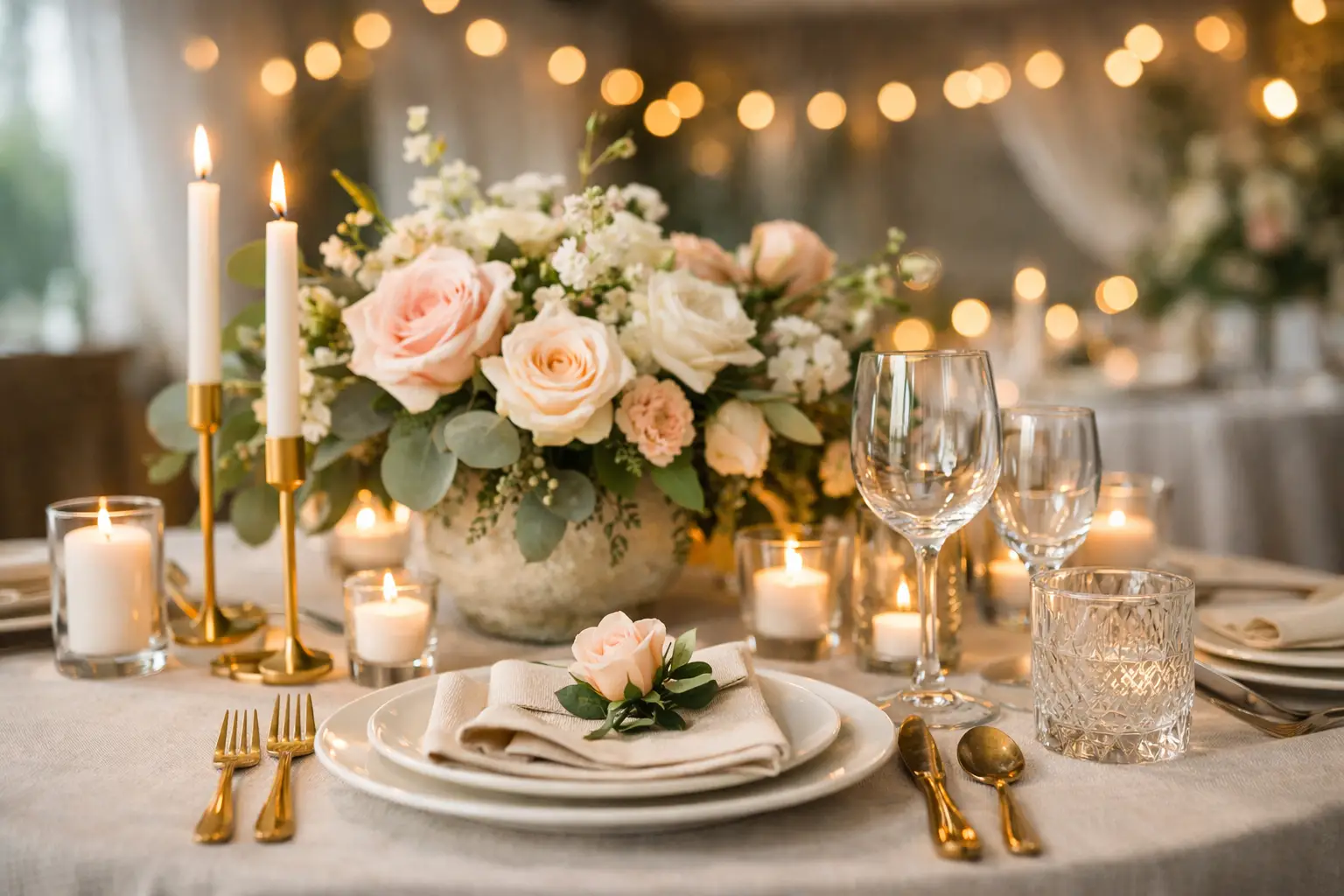
The difference between a beautiful wedding breakfast and a room that truly feels unforgettable often comes down to the tables. Guests may first notice the stage, the lighting or the entrance, but once they are seated, every detail in front of them starts shaping the experience. The best wedding table styling ideas do more than look impressive in photographs – they create atmosphere, support your theme and make every place setting feel considered.

For couples planning a large celebration, table styling also needs to work hard. It should feel luxurious, reflect your culture and complement the flow of the event without becoming impractical. That balance is where thoughtful design matters most.

Wedding table styling ideas that elevate the whole room

A well-styled table should never feel separate from the venue around it. The strongest designs are connected to the wider space, from the ceiling treatments and stage florals to the chair styling and lighting. When every element is pulling in the same direction, the room feels cohesive rather than crowded.

That does not mean everything has to match perfectly. In fact, the most elegant receptions usually rely on a clear palette, repeated textures and one or two focal details rather than too many competing features. If your venue already has a luxurious finish, your tables can be refined and layered without being overwhelming.

Start with your top table or sweetheart table

If you are deciding where to invest more of your styling budget, begin here. The top table naturally draws attention throughout the reception, and it appears in a large proportion of your photographs. A fuller floral arrangement, elevated candles, premium charger plates or customised signage can all make this area feel special without requiring every guest table to be styled in exactly the same way.

For larger Asian, Muslim and Afro-Caribbean weddings, this is especially useful. You can create a statement where it matters most, then echo that look across the room in a more streamlined form.

Build your design around a controlled colour palette

Colour is often where styling either becomes sophisticated or starts to feel disjointed. A controlled palette gives the room polish. Soft ivories, champagne tones, blush, gold, sage and white remain popular because they work beautifully under evening lighting and complement formal wear.

That said, bold colour can be stunning when handled with confidence. Deep emerald, burgundy, royal blue or rich plum can bring drama and cultural richness, particularly for autumn and winter weddings or celebrations with traditional attire in stronger tones. The key is restraint. Two main colours and one metallic accent often create far more impact than trying to include every favourite shade.

Centrepieces that suit the scale of your celebration

Centrepieces are often the first thing couples think about, but the right choice depends on guest numbers, table size and sightlines. A grand arrangement may look exceptional in a ballroom, yet on a smaller round table it can quickly become intrusive.

Tall centrepieces bring height, formality and a sense of occasion. They work particularly well in venues with generous ceiling height, allowing the room to feel layered and dramatic. Low arrangements, on the other hand, can feel intimate and abundant, especially when paired with candlelight and refined tableware. Neither is inherently better. It depends on the room and on how interactive you want the table to feel for guests.

Mix height carefully

One of the most effective wedding table styling ideas is to alternate centrepiece styles across the room. Some tables can feature tall floral stands while others use lower arrangements. This creates visual rhythm and helps large receptions feel dynamic rather than repetitive.

The balance matters. Too much variation can look fragmented, but a measured mix often gives a room the curated finish couples are after. It also helps with budget allocation, as not every table needs the same level of floral volume.

Candlelight adds instant luxury

Few styling elements transform a reception as effortlessly as candlelight. Even when real flames are not suitable, quality LED candles can produce the same warm, flattering effect. Grouped votives, hurricane candles and tapered holders soften the table and make metallic details glow.

Candlelight is particularly effective in evening receptions, where it adds warmth to formal décor and gives the room a more intimate mood. If your celebration includes a lively programme, speeches and late-night dancing, that softer ambience can make the transition from dining to party feel natural.

Layer each place setting with purpose

A luxury table rarely relies on a single statement piece. It is the layering that creates depth. Charger plates, folded napkins, glassware, menu cards and neatly aligned cutlery all contribute to that sense of refinement.

This is where many wedding table styling ideas become more practical than decorative. Guests interact with these details directly, so they should feel both beautiful and functional. A heavily embellished setting may photograph well, but if there is no room for service, platters or comfortable dining, it will not serve the event.

Linen and napkin styling matter more than many couples expect

Table linen sets the foundation. Crisp white remains timeless, but textured fabrics, soft sheens and carefully chosen overlays can add depth without making the table feel busy. Napkins are another opportunity for subtle detail. A clean fold with a personalised name card, a velvet tie or a delicate napkin ring can instantly elevate the setting.

For multicultural weddings, this is a good place to introduce personality without disrupting the overall elegance. You might bring in a heritage-inspired pattern, a meaningful motif or colours that reflect the couple’s traditions in a restrained, polished way.

Personalisation should feel refined, not forced

Personal touches are at their best when they enhance the guest experience. Thoughtfully designed table names, individual place cards, menus tailored to the service style or a small favour at each setting can all make the reception feel memorable.

The trick is not to overfill the table. If you already have charger plates, floral arrangements, candles and glassware, adding too many extras can tip the look from luxurious to cluttered. Editing is part of good styling.

Use table styling to honour culture and tradition

For many families, wedding design is not simply about appearance. It is also about respect, hospitality and celebrating heritage with pride. Some of the most successful wedding table styling ideas are those that weave cultural detail into a contemporary setting rather than treating tradition and luxury as separate choices.

This could mean incorporating gold accents that complement a South Asian wedding palette, using floral colours that sit beautifully alongside traditional outfits, or selecting table arrangements that leave space for generous service and shared dining. For Muslim weddings, couples often want a refined, faith-sensitive environment that feels elegant without losing practicality. For Afro-Caribbean celebrations, a rich and joyful style can still be executed with balance and sophistication.

At a venue such as The Grove Banqueting, where celebrations often bring together large guest lists, layered traditions and high expectations, this balance becomes especially valuable. Styling has to impress, but it also has to support the way the day unfolds.

Match the table design to your catering style

One of the easiest planning mistakes is choosing table décor before thinking through how food will be served. A plated meal allows for more styling flexibility because each setting remains largely undisturbed until service begins. Shared platters and family-style service need space. Buffet-led receptions may allow more decorative freedom on guest tables, while still requiring practical movement around the room.

If you are serving authentic halal cuisine, multiple courses or generous sharing dishes, table styling should account for that from the start. There is little point in creating a masterpiece that leaves no room for service. The most polished receptions are those where décor and hospitality work together.

Think beyond the table itself

A table never exists in isolation. Guest chairs, charger plates, glassware and floral vessels all read differently depending on the room lighting, the tablecloth colour and the surrounding décor. If your venue features statement chandeliers, mirrored details or a dramatic stage setup, your table styling may need a lighter touch.

On the other hand, if the room is intentionally clean and understated, the tables can carry more of the visual story. This is why styling decisions are easier when considered in the venue itself rather than as standalone items from separate suppliers.

How to choose wedding table styling ideas without overcomplicating the process

Most couples do not need more inspiration. They need clearer decisions. The simplest route is to choose one hero feature, one supporting floral or candle concept and one consistent finish for the place settings. Once those are established, the rest becomes easier to refine.

It also helps to be honest about priorities. If your photographs matter most, focus on the top table, statement centrepieces and candlelight. If guest comfort and dining experience lead the way, prioritise spacing, practical layouts and elegant but manageable styling. If cultural expression is central, let that shape the palette and details from the beginning rather than adding it in later.

There is no single formula for perfection, because every wedding has its own rhythm, traditions and guest expectations. The most successful tables are not always the most elaborate. They are the ones that make the room feel complete, welcome your guests beautifully and leave you with a setting that feels entirely your own.

When your table styling is thoughtful, balanced and suited to the way you plan to celebrate, the whole reception feels calmer, more polished and more memorable. That is where elegance stops being decorative and starts becoming part of the experience.

A wedding stage does far more than fill a space. It becomes the focal point for your entrance, your photographs, your family greetings and, for many couples, the visual centrepiece that sets the tone for the entire celebration. When couples begin looking at wedding stage decor hire London services, they are rarely just choosing flowers, panels or lighting. They are choosing how the day will feel when they first walk into the room.

In a city as varied as London, that choice deserves care. A stage that looks beautiful in a showroom or on social media may feel too small for a grand banqueting suite, too ornate for a modern reception, or simply out of step with the traditions your families want honoured. The most successful wedding staging is always tailored – not only to the venue, but to the couple, the guest experience and the style of celebration itself.

What wedding stage decor hire in London should include

At its best, wedding stage decor hire in London is not just about supplying a backdrop and a sofa. It is a complete visual arrangement designed to create presence, proportion and polish. That usually includes the stage platform itself, the backdrop structure, floral styling, seating for the couple, coordinated lighting and finishing details such as plinths, candles, lanterns or decorative screens.

For larger weddings, scale matters enormously. A stage that is too compact can disappear in a ballroom filled with hundreds of guests. A stage that is too deep or heavily dressed can overwhelm the room and make the rest of the décor feel secondary. A good supplier will look at ceiling height, room width, guest count and the route of your entrance before recommending a design.

This is especially important for multicultural weddings, where the stage often carries more significance than a simple photo area. It may frame the nikah seating, the rukhsati moments, the receiving line, or key family photographs that will be treasured for years. For Hindu, Muslim, British and Afro-Caribbean celebrations alike, the stage often becomes the place where formal elegance and family tradition meet.

Choosing a style that fits your wedding

Luxury staging is not one look. Some couples want a classic floral backdrop with soft ivory tones, crystal details and warm lighting. Others prefer a clean contemporary design with structured panels, neutral blooms and a more understated finish. Both can be beautiful. The difference lies in the atmosphere you want to create.

If your wedding is large and formal, a statement stage with fuller florals, layered textures and richer lighting can give the room the sense of occasion it needs. If you are hosting a refined, modern reception, cleaner lines and balanced detailing often feel more elegant than excess. The strongest designs know when to impress and when to hold back.

Colour also needs thoughtful handling. Gold and ivory remain popular for good reason – they photograph beautifully and suit many wedding styles. But soft blush, champagne, white, deep red or even emerald accents can work wonderfully when tied into the rest of the room. The key is coordination. Your stage should not feel like a separate set dropped into the venue. It should belong to the whole celebration.

Traditional and culturally tailored staging

For many families, wedding décor is not simply aesthetic. It carries meaning. South Asian weddings may call for a regal couple seating arrangement, floral richness and a backdrop suitable for formal family portraits. Muslim weddings may favour elegant staging that respects the tone of the ceremony while still delivering a luxurious reception setting. Afro-Caribbean weddings often balance glamour, warmth and a lively sense of celebration, while British weddings may lean towards timeless florals and a more understated sophistication.

There is no single right answer. What matters is working with a team that understands how tradition, faith, photography and guest flow come together. That knowledge prevents costly design choices that look impressive but do not suit the way the day actually unfolds.

What affects the cost of wedding stage decor hire London couples book

Pricing varies widely, and for good reason. The cost of the wedding stage decor hire London couples choose will depend on the size of the installation, the level of floral work, the complexity of the structure, the type of seating, and how much bespoke design is involved.

Fresh flowers usually increase the investment, particularly if you want dense floral walls, hanging arrangements or premium blooms. Custom staging, specialist lighting and larger builds for high-capacity venues also push prices upward. On the other hand, a carefully designed artificial floral installation can still look exceptional while offering better value and more design consistency.

Access and timing matter too. London venues differ greatly in loading restrictions, set-up windows and space for supplier teams to work. If a décor company has limited installation time or difficult access, that can affect the quote. This is why venue familiarity is valuable. Suppliers who regularly work in banqueting venues understand how to deliver impact without unnecessary delays.

A lower quote is not always better if it excludes essentials such as delivery, set-up, collection or on-site adjustments. When comparing options, look beyond the headline number and ask what is truly included.

How to make sure your stage works with the venue

One of the most common planning mistakes is choosing the stage before understanding the room. A design that suits an intimate hall may feel lost in a grand suite with high ceilings and a wide dance floor. Likewise, an oversized stage can reduce usable floor space and make the layout feel cramped.

The best results come when the décor is planned alongside the venue rather than after it. Sightlines should be checked from the entrance, guest tables and photographer positions. Lighting should flatter the couple without washing out the backdrop. The stage height should create presence while still feeling accessible and comfortable for older relatives and young children approaching for photographs.

This is where an experienced venue team can make planning much easier. At The Grove Banqueting, for example, couples often benefit from coordinating staging with the wider room design, catering flow and guest experience rather than treating décor as a separate decision. That joined-up approach tends to create a more polished result and a calmer planning process.

Questions worth asking before you book

Before confirming any stage décor package, ask to see examples in venues similar to yours rather than only close-up images. Ask whether the design is adapted to your guest numbers, whether the supplier will visit the venue, and who is responsible for styling on the day.

It is also worth asking how the stage will look in both daylight and evening lighting. Some designs appear soft and romantic in person but photograph too dark once the reception begins. Others sparkle beautifully in the room but feel too harsh on camera. A skilled décor team plans for both.

Finally, ask how the stage connects with the rest of the décor. Table centres, entrance styling, aisle arrangements and the top table or sweetheart table should all feel part of one visual story.

Why couples increasingly want convenience without compromise

Many engaged couples, especially those planning large family weddings, are not short of ideas. What they are short of is time, certainty and trusted coordination. Managing separate suppliers for venue, catering, stage décor and planning can work, but it often creates more room for miscommunication.

That is why full-service or well-coordinated venue partnerships are so appealing. When your stage décor is planned with people who already understand the room, the timings, the guest count and the service style, the result is often more refined. It feels less like a collection of hired items and more like a complete wedding setting.

This does not mean every couple needs the most elaborate installation. Sometimes perfection lies in restraint – a beautifully upholstered seat, carefully placed florals, balanced lighting and a backdrop that gives just enough drama. In other cases, especially for grand receptions, a more opulent stage is exactly what the occasion deserves. It depends on your vision, your traditions and the scale of your day.

The right stage should feel effortless

The most memorable wedding stages do not merely photograph well. They make the couple feel at ease, the room feel elevated and the entire celebration feel thoughtfully composed. That is the real value of choosing your décor carefully.

If you are searching for wedding stage decor hire London families can trust, look beyond trend-led images and focus on fit. The right design should suit your venue, honour your traditions, flatter your photographs and bring a sense of effortless elegance to every key moment. When those pieces come together, the stage becomes more than décor – it becomes part of the memory.

For many couples, choosing a self-catering wedding venue London option is not simply about saving money. It is about keeping hold of the details that matter most – the family caterer everyone trusts, the dishes guests will talk about for years, the faith-sensitive preparation standards, or the freedom to shape the day around tradition rather than a fixed package. When your wedding is deeply personal, flexibility matters every bit as much as style.

That said, self-catering is not the same as hiring an empty room and hoping everything falls into place. The best venues make space for your vision while still offering the polish, infrastructure and support that a major celebration demands. If you are planning a wedding in London or the surrounding areas, it is worth knowing exactly what to look for before you book.

What a self-catering wedding venue London couple really needs

A beautiful setting will always matter, but self-catering changes the practical demands of the venue. You are not only choosing a ballroom, reception hall or event space. You are choosing the operational backbone of the day.

That means asking whether the venue can genuinely support external catering teams, specialist décor suppliers and large guest numbers without friction. A luxury wedding should still feel effortless for the couple and their families, even when different suppliers are involved. If the venue lacks structure behind the scenes, the pressure often lands on the people meant to be enjoying the celebration.

For many Asian, Muslim, British and Afro-Caribbean weddings, this point is even more important. Food service can involve specialist preparation, cultural presentation, faith requirements and timing that has to align with ceremonies, speeches and family customs. A venue may say it allows self-catering, but the real question is whether it understands what that means in practice.

Flexibility should not come at the expense of quality

Some couples assume dry hire or self-catering means they must compromise on luxury. In reality, the strongest venues offer both freedom and refinement. You should still expect an impressive entrance, elegant interiors, quality lighting, guest comfort, professional coordination and a setting that feels worthy of the occasion.

This is where many venue searches become frustrating. One space may be visually striking but restrictive with suppliers. Another may allow external caterers but feel too basic for a premium wedding. The aim is to find a venue that gives you room to personalise the event while preserving the elevated atmosphere your guests will notice from the moment they arrive.

A wedding with 250 guests, multiple generations attending and a full day of celebrations needs more than permission. It needs planning confidence. It needs a team that can say yes to your requirements while quietly managing access, timings, service flow and presentation standards.

The kitchen and catering setup matter more than most couples expect

If you are considering a self-catering wedding venue London families can use confidently, look closely at the catering logistics. This is one of the biggest differences between a venue that merely permits self-catering and one that is genuinely prepared for it.

Ask how external caterers access the building, when they can arrive, whether there is dedicated loading space, what kitchen facilities are available and how food service moves from preparation to plating. For halal weddings or events with strict preparation standards, clarity here is essential. Caterers need a practical working environment, not a last-minute workaround.

You will also want to understand whether the venue has preferred supplier policies, staffing requirements or restrictions on open flames, specialist equipment and late service. None of these are necessarily a problem, but they should be clear from the start. Hidden limitations can disrupt your plans long after the deposit is paid.

A polished venue team will welcome these questions. They know that excellent food is central to the guest experience, and that smooth catering operations protect the standard of the entire event.

Think about guest flow, not just guest numbers

Capacity figures can be misleading. A venue may hold your guest list on paper, but the day can still feel cramped if the layout is not designed for weddings with movement, ceremony transitions and family photography.

When viewing a venue, picture the whole guest journey. Consider arrivals, greeting areas, prayer needs where relevant, the transition from ceremony to reception, buffet or plated service setup, and how easily older relatives and children can move through the space. Parking and accessibility matter here as much as chandeliers and floral backdrops.

For larger celebrations, a self-catering format can create extra movement behind the scenes, so front-of-house flow becomes even more important. Guests should experience elegance and ease, not bottlenecks and confusion. The best venues protect the atmosphere because they have already thought through the practical details.

Cultural understanding is not an extra

For many London couples, a wedding is not a standard event with a few personal touches. It is a gathering shaped by heritage, family expectations and moments of real significance. That may include halal catering requirements, separate considerations for prayer, a particular order of service, a stage setup for the couple, or food traditions that reflect Pakistani, Bangladeshi, Caribbean or broader multicultural influences.

A venue that understands this can save you considerable stress. You will spend less time explaining why certain details matter and more time refining the celebration itself. That support becomes especially valuable when parents and extended family are involved in planning. Everyone feels more confident when the venue team speaks with experience rather than guesswork.

This is one reason many couples look for a venue that offers both all-inclusive packages and self-catering flexibility. It gives you room to decide how much support you want. Some prefer to bring in their own caterers while using the venue’s trusted décor or coordination support. Others want the reassurance of in-house partnerships for some elements and full control over others. A thoughtful venue can accommodate both.

Questions worth asking before you commit

Before booking, be clear on what is included in the hire fee and what sits outside it. This sounds obvious, but self-catering quotes can vary widely. Tables, chairs, linen, crockery, serving staff, security, cleaning and setup time may or may not be part of the agreement.

It is also wise to ask who manages supplier coordination on the day. If you are bringing in caterers, decorators and entertainers, someone needs oversight. Without that, couples often end up fielding calls and solving problems when they should be getting ready.

You should also ask about timings in detail. When can suppliers enter? How long do you have for setup? What is the finish time? Are there any sound restrictions? Can the venue handle extended celebrations? These are practical questions, but they have a direct effect on how relaxed and luxurious the day feels.

Why support still matters with self-catering

There is a common misconception that self-catering couples want less service. In fact, most want better-targeted service. They want freedom over food and suppliers, but they also want reassurance that the venue team can keep the day running beautifully.

That is the ideal balance – independence where it matters, support where it counts. A premium venue should make your choices easier to execute, not harder. The setting should feel like a masterpiece, but the process behind it should feel calm, capable and considered.

At The Grove Banqueting, that balance is central to the experience. Couples can choose dry hire or a more inclusive approach, depending on how they want to plan, while still benefiting from a venue designed for high-capacity celebrations, elegant presentation and culturally informed hospitality.

Choosing with confidence

The right venue will do more than tick boxes. It will give your families confidence, protect the standard of your celebration and allow your traditions to be honoured without compromise. A self-catering wedding can be every bit as refined as an all-inclusive one, provided the venue has the experience, flexibility and operational strength to support it.

When you visit potential spaces, look beyond the first impression. Ask how the day actually works. Ask how your caterers will function, how your guests will move, and how the venue responds when a wedding includes real cultural and logistical complexity. The answers will tell you far more than the brochure ever could.

Your wedding deserves freedom, beauty and calm in equal measure – and the right venue should make all three feel entirely possible.