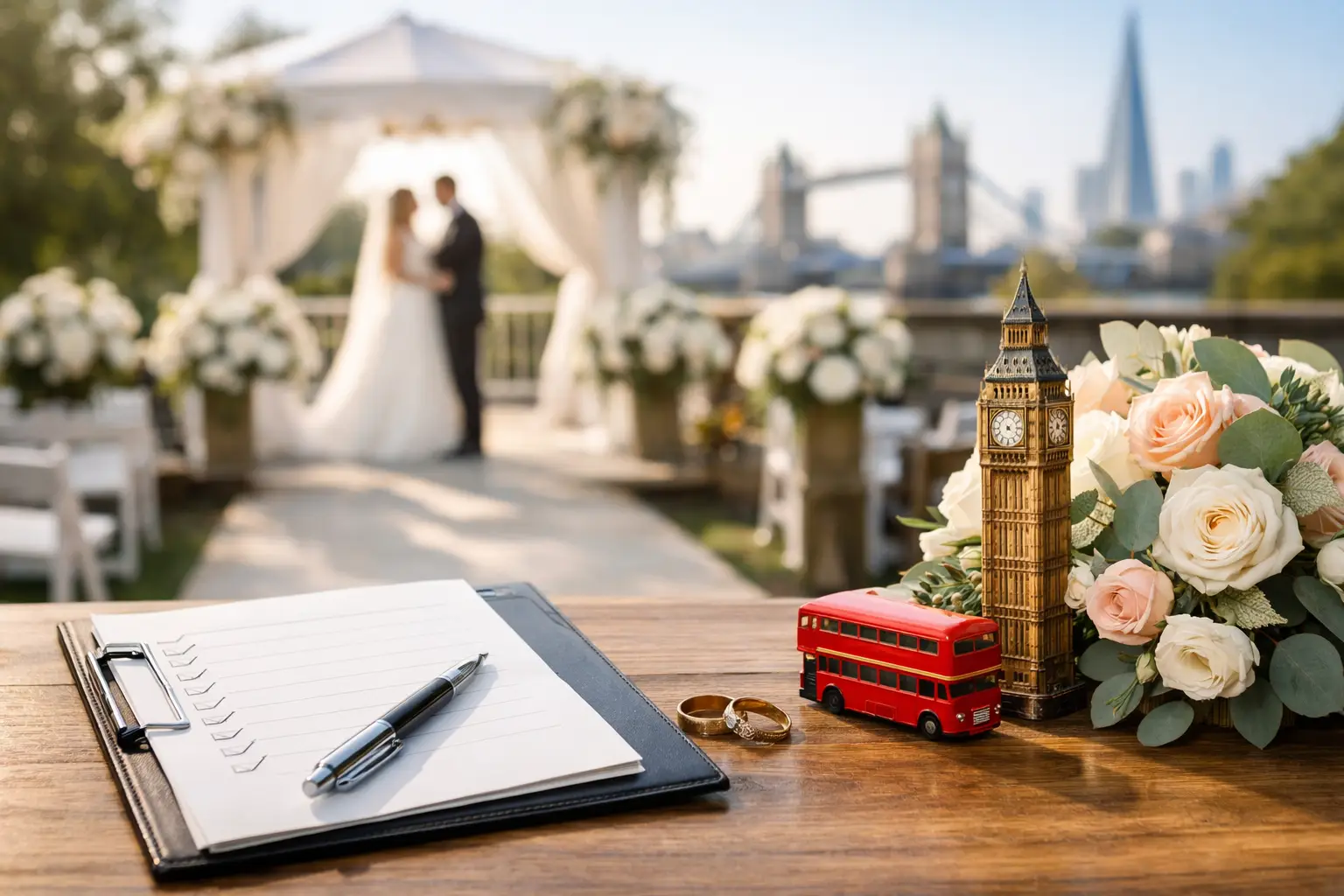
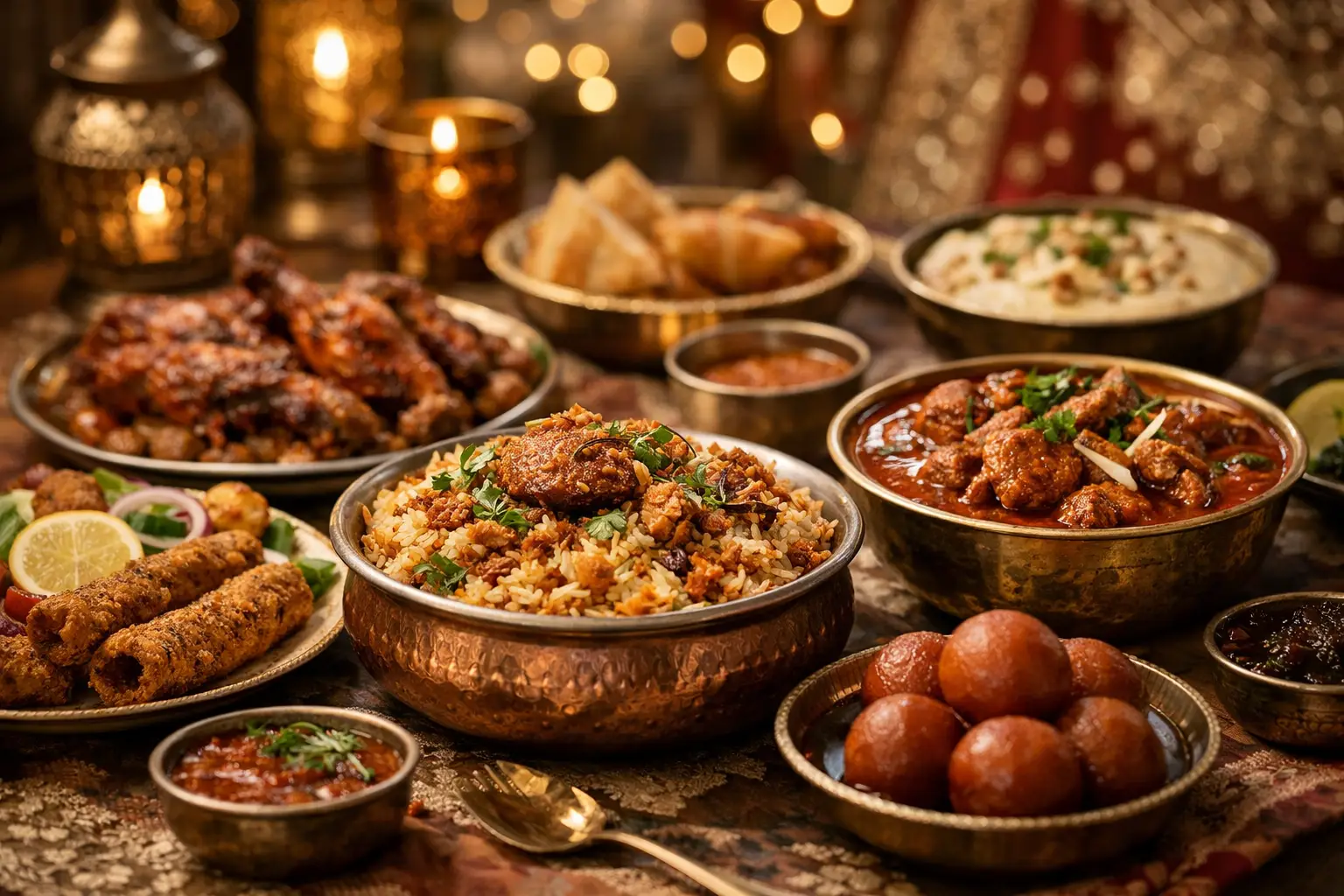
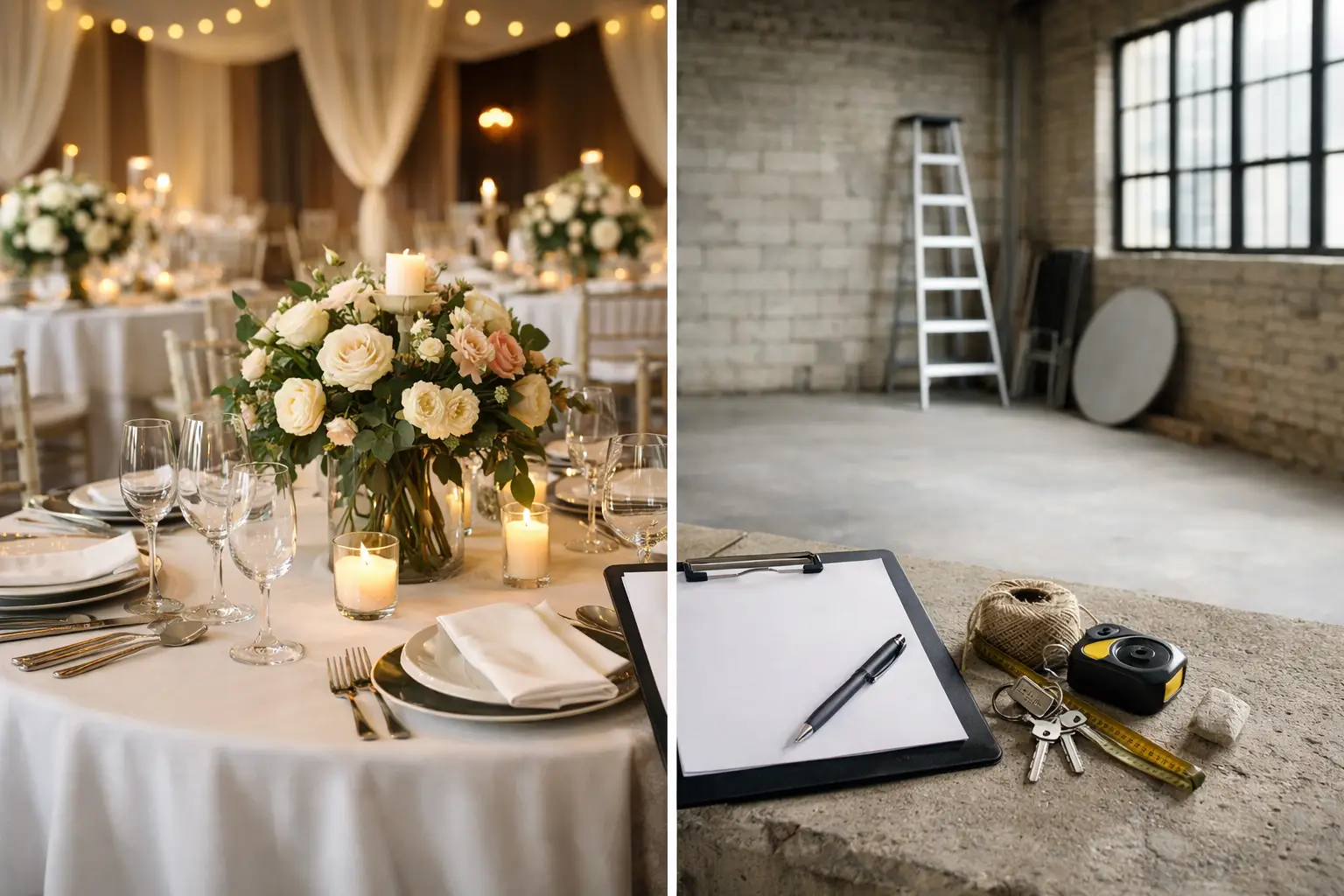
A beautiful wedding can lose its calm in a matter of minutes when the florist is waiting for the stage to be cleared, the photographer needs the couple, and the caterer is ready to serve. Knowing how to coordinate wedding suppliers smoothly means protecting the atmosphere you have worked so hard to create – for yourselves, your families and every guest in the room.

For larger celebrations, especially those combining meaningful cultural traditions with a full evening reception, supplier coordination is not simply a matter of sending a few emails. It is the quiet structure behind effortless elegance. With clear ownership, thoughtful timings and a venue team that understands the occasion, every detail has room to shine.

How to coordinate wedding suppliers smoothly from the start

The easiest wedding days are planned long before suppliers arrive. Begin by deciding who has the authority to make decisions. This may be the couple, a parent, a wedding planner or a nominated member of the venue team. What matters is that every supplier knows exactly who to approach if a question arises.

This prevents the familiar problem of several well-meaning relatives giving different instructions about the stage layout, entrance music or food service. Families should absolutely be involved in the celebration, particularly where cultural customs are central to the day. However, the operational decisions need one clear point of contact.

Create a shared supplier document once your key partners are booked. It should set out each supplier’s contact details, arrival time, access requirements, set-up area and the name of the person they must report to. Include practical information that is easy to overlook, such as loading access, parking arrangements, power needs, insurance requirements and the time every item must be removed.

A simple document is often more valuable than a complicated planning system, provided it is current. Send the final version to every supplier around two weeks before the wedding, then again 48 hours before the event. This gives everyone the same information and reduces last-minute calls to the couple.

Choose suppliers who understand your celebration

A wedding supplier can be highly talented and still be the wrong fit if they do not understand the rhythm of your day. A South Asian Muslim wedding may require space and timings for the nikah, prayer, family photographs, entrances and a generous dinner service. An Afro-Caribbean celebration may place particular importance on music, dancing, styling and a lively evening atmosphere. A British wedding reception may have its own traditions around speeches, the wedding breakfast and cake cutting.

The best suppliers ask how you want the day to feel, not only what time they should arrive. They understand that a delayed entrance can affect catering, photography, entertainment and guest comfort, particularly at a large celebration.

When comparing suppliers, ask whether they have worked at events with a similar guest count and format. Ask how they manage changes to timings, who will be present on the day and whether they need anything from other suppliers before they can begin. Their answers will reveal whether they are collaborative or simply focused on their own service.

There is also a practical trade-off between an all-inclusive package and dry hire. Bringing in your own caterers, decorators or production team can offer greater personal choice, and it may be essential if you have a supplier with special family significance. Yet it also places more responsibility on you to align deliveries, set-up, equipment and service expectations. An experienced venue with established halal catering and décor partners can remove much of that pressure while still allowing your celebration to feel entirely your own.

Build a timeline around moments, not just clock times

A detailed running order is the backbone of supplier coordination. Rather than only listing times, identify the key moments that cannot be disrupted: the ceremony or nikah, the couple’s entrance, formal photographs, speeches, meal service, cake cutting and first dance.

Then work backwards. If dinner is due to be served at 7.30 pm, decide when guests need to be seated, when the final speech must end and when the photographer requires the couple for a quick portrait. If the stage needs transforming between a daytime ceremony and an evening reception, give the décor team a realistic window and make sure entertainment, catering and photography are aware of it.

Leave breathing space between major moments. A timeline with no flexibility may look efficient on paper, but weddings involve greeting elders, unexpected traffic, outfit adjustments and emotional reunions. For a guest list of several hundred, even moving from one room to another takes longer than expected. A 15-minute buffer can preserve the relaxed, polished experience everyone wants.

Agree the handovers in advance

Many problems occur at the point where one supplier’s work affects another’s. The florist may need the stage before the production team can position lighting. The caterer may need a clear route to begin service while the photographer is arranging group photographs. The DJ needs confirmation that speeches have finished before opening the dancefloor.

Discuss these handovers at least once before the wedding day. Make it clear who signs off each area and when. A venue coordinator is especially valuable here because they can see the full picture – guest movement, room readiness, service pace and supplier access – rather than just one element of the occasion.

At The Grove Banqueting, this kind of oversight helps couples bring together luxury surroundings, culturally considered hospitality and carefully timed service without placing every decision on the bride and groom.

Give every supplier one precise brief

Vague requests create avoidable stress. “Make it elegant” is a useful starting point, but it is not a complete décor brief. “Play something upbeat” is not enough direction for an entrance that has been planned for months.

Share reference images, colour palettes, floor plans and a short description of the atmosphere you want. For a traditional reception, explain which elements are non-negotiable. For example, specify whether the stage must be ready before guests enter, whether a prayer space is required, the preferred sequence for family entrances and whether particular dishes must be served at a set time.

It is equally useful to state what suppliers should not do. If you do not want cold spark machines during dinner, floral installations blocking sightlines or photography during a private religious moment, write it down. Respectful clarity makes it easier for suppliers to deliver perfection.

Hold a final supplier check-in

A week before the wedding, arrange a final check-in with the venue coordinator, planner or nominated lead. This does not need to be a long meeting, but it should confirm the essentials: final guest numbers, dietary requirements, floor plan, arrival times, supplier meals, contact numbers and payment status.

For halal celebrations, confirm the catering arrangements with particular care. Ensure suppliers who are serving food, bringing sweet tables or handling kitchen access understand the venue’s requirements. If you are providing your own catering under a dry-hire arrangement, clarify equipment, refrigeration, staffing, delivery windows and who is responsible for clearing down.

Make sure your photographer, videographer and entertainment team receive the final running order too. These suppliers are often affected by timing changes first, and their work can shape how the day is remembered long after the final guest has departed.

Protect the couple from on-the-day decisions

On the wedding day, the couple should not be answering calls about missing chair covers or delivery entrances. Give one trusted person the supplier schedule, key contacts and permission to make sensible decisions within agreed limits.

Set aside an emergency fund for small changes, such as additional ice, a taxi for a delayed supplier or a replacement item. It is also wise to keep a small bridal party kit close by with safety pins, tissues, a phone charger and refreshments. These details may seem modest, but they prevent minor issues from becoming distractions.

Most importantly, trust the structure you have created. A well-coordinated wedding does not feel rigid. It feels warm, gracious and completely present, giving you the freedom to greet your loved ones, honour your traditions and enjoy the masterpiece unfolding around you.

The right wedding venue does more than provide a beautiful room for the day. It sets the pace for every decision that follows: the guest experience, the menu, the décor, the timetable and the calm you feel while planning. For couples and families arranging a celebration with meaningful traditions, a generous guest list and high expectations, wedding venues should offer both visual impact and the confidence that every detail will be understood.

A wedding is often one of the few occasions when every generation gathers in one place. It deserves a setting with the elegance to make an entrance memorable, the flexibility to honour your customs and the experience to keep the day moving beautifully.

Start With the Guest Experience

Before falling in love with a ballroom, consider how the venue will feel for the people you are welcoming. Capacity matters, but comfort matters just as much. Guests need room to greet one another, enjoy the meal, watch key moments and take to the dance floor without the celebration feeling crowded.

Ask how the space works across the whole event, rather than only during the wedding breakfast or dinner. Where will guests arrive? Is there a graceful area for photographs and welcoming family members? Can elderly relatives move easily through the venue? Is there convenient on-site parking, and is the location straightforward for guests travelling from East London, Essex and beyond?

A polished venue team will be able to discuss these practicalities clearly. They should know how a large celebration flows, how long service takes for your anticipated numbers and where small adjustments can make a significant difference to comfort. This is the unseen work behind effortless elegance.

Choose Wedding Venues With Cultural Understanding

A venue may look impressive online, yet the most important question is whether its team understands the celebration you want to create. For Asian, Muslim, British and Afro-Caribbean weddings, traditions can shape the schedule, food, family roles, music, décor and atmosphere in distinct ways.

For a Muslim wedding, this may mean confidence in halal catering, consideration for prayer arrangements and an understanding of how a Nikah or separate celebrations may be arranged. For South Asian families, it may involve a vibrant Mehndi, a grand entrance, a carefully timed programme or authentic Pakistani and Bangladeshi cuisine that feels worthy of the occasion. Afro-Caribbean celebrations may call for a particular energy on the dance floor, a menu that reflects family heritage and space for a joyful, expressive reception.

There is no single formula, even within the same culture. Some couples want a traditional celebration from start to finish; others want a modern reception that brings several family backgrounds together. The best venues listen before they recommend. They do not treat cultural details as extras. They treat them as central to your wedding story.

Ask Specific Questions at Your Viewing

A viewing is the moment to look beyond the chandeliers and styling. Ask whether the venue has hosted celebrations similar in scale and format to yours, how it manages a multi-course meal service and whether the team can accommodate your preferred timeline. If faith-sensitive planning is important, ask direct questions about halal food preparation, supplier access and spaces for quieter moments during the day.

You should also ask what is included in the room set-up. A venue that can coordinate tables, chairs, linen, staging, lighting and décor through established partners can remove many separate conversations from your to-do list. However, if you have a trusted family caterer or a specialist stylist in mind, check whether dry hire or self-catering options are available. Flexibility is valuable when it is managed with clear standards and experienced coordination.

All-Inclusive or Dry Hire: Which Is Right for You?

This choice often comes down to the balance between convenience and personal control. An all-inclusive package can bring venue hire, catering, décor, hospitality and planning support together under one experienced team. For busy couples, this creates a clearer budget, fewer supplier contracts and a more joined-up experience on the day.

It also gives families reassurance. Rather than coordinating several suppliers who have never worked together, you have professionals who understand the venue, know the service timings and can solve small issues before they become visible. This is particularly valuable for large weddings, where one delayed course or an unclear handover can affect the entire schedule.

Dry hire offers a different advantage. It gives you freedom to bring your own caterers, decorators and production team, which can be the right choice where a family has established suppliers or a very specific creative vision. The trade-off is that someone must manage the moving parts. Confirm the venue’s supplier rules, access times, kitchen facilities, cleaning requirements, insurance expectations and end-of-event arrangements before committing.

Neither option is automatically better. The ideal choice is the one that protects your vision without creating unnecessary pressure in the final weeks before the wedding.

Catering Is Part of the Celebration, Not an Afterthought

Guests may remember the flowers and the first dance, but they will certainly remember how they were welcomed and fed. Catering should feel generous, beautifully presented and true to the flavours your family values.

When choosing a venue package, ask to discuss the menu in detail. Authenticity matters, especially when serving Pakistani or Bangladeshi dishes that relatives know well. A refined presentation should never come at the expense of depth of flavour, quality ingredients or thoughtful service. For halal weddings, clarity around sourcing, preparation and service is essential, not optional.

Consider the rhythm of the meal as well. A formal seated dinner creates a different atmosphere from a buffet or family-style service. A buffet may offer more variety for a large group, while plated dining can feel especially elevated and structured. The right format depends on your guest numbers, traditions, programme and the experience you want to create.

Make Décor Work With the Room

A beautiful venue gives your styling a strong foundation, but décor is what makes the room recognisably yours. The aim is not to fill every corner. It is to create focal points that photograph beautifully and guide the eye: a statement stage, a considered aisle, floral centrepieces, warm lighting and a colour palette that complements the architecture.

Ask to see how the room can be transformed for daytime and evening. Lighting can shift a refined ceremony setting into a lively reception without requiring an entirely new design. If you are planning a dramatic entrance, live entertainment or a cake reveal, discuss these moments early so the layout supports them.

Be realistic about what your budget can achieve. Fresh florals, bespoke backdrops and intricate ceiling installations can be spectacular, but they require time, careful installation and investment. An experienced décor team can help you choose the elements with the greatest visual effect rather than spreading the budget too thinly across many smaller details.

Look for a Team That Makes Decisions Easier

The finest wedding venues combine a memorable setting with people who make you feel looked after. From your first enquiry, notice whether the team listens to your priorities, explains options plainly and gives honest guidance about what will work for your numbers and schedule.

At The Grove Banqueting, couples can choose a luxury all-inclusive experience or retain flexibility through dry hire, supported by a team familiar with culturally tailored celebrations and large-scale hospitality. That combination matters because no two weddings should feel the same, even when the planning is expertly organised.

A good venue partner will help you anticipate the details families often overlook: when suppliers can arrive, how children and older guests will be accommodated, where personal items will be kept, how the evening transition will work and who is responsible for each decision. These conversations may not be glamorous, but they create the freedom to enjoy the glamorous moments.

Give Yourself Time to Decide With Confidence

A venue is a significant commitment, so take time to review the proposal carefully. Check the guest capacity for your chosen layout, the service hours, what is included in the package, possible additional costs and the payment schedule. If you are comparing options, compare like for like. A lower venue fee may not represent better value once catering, furniture, décor, staffing and coordination are added separately.

Most importantly, imagine the day from your guests’ point of view and from your own. Can you picture arriving without worrying about the next instruction? Can your parents welcome guests with pride? Can the room hold the warmth, style and celebration your marriage deserves?

When a venue offers beauty, cultural understanding and thoughtful support in equal measure, planning becomes less about managing a long list and more about looking forward to the moment your celebration begins.

A memorable Pakistani wedding meal is not judged by its menu card alone. Guests remember the fragrance of freshly prepared biryani, the tenderness of the lamb, the warmth of the welcome and whether every generation at the table felt properly looked after. A useful Pakistani wedding catering review should therefore look beyond a few attractive dishes and consider the complete dining experience.

For couples planning a large celebration in London or Essex, catering is often one of the most personal decisions of the day. It brings family traditions, faith requirements and the joy of generous hospitality together. The right choice feels luxurious without losing authenticity, and carefully organised without becoming impersonal.

What a Pakistani wedding catering review should reveal

The most valuable reviews are specific. A comment such as “the food was lovely” is welcome, but it does not tell you how the caterer handled a 500-guest service, accommodated elders, managed dietary requests or maintained quality from the first table to the last.

Look for detail on flavour, consistency and timing. Did the dishes arrive hot? Was the naan fresh? Did the meat have the slow-cooked depth guests expect from a qorma or nihari-inspired dish? Were portions generous enough for a traditional wedding reception? These are the details that separate a pleasant meal from a feast guests discuss long after the final farewell.

Reviews should also indicate whether the catering team understood the rhythm of the occasion. Pakistani weddings can involve a lively arrival, speeches, prayers, photography, family greetings and a packed dance floor. Food service must work with that energy, not interrupt it. An experienced team knows when to begin service, how to keep courses moving and how to make guests feel attended to without rushing them.

Authentic flavour is more than spice level

Pakistani cuisine is wonderfully varied, and a strong wedding menu should reflect that care. A well-made chicken karahi is not simply a spicy curry, just as biryani should not be treated as a standard rice dish. The balance of aromatics, freshness of herbs, quality of meat and depth of seasoning all matter.

When reading reviews or attending a tasting, pay attention to whether the food feels considered rather than generic. Ask how dishes are prepared for larger guest numbers and whether recipes retain their character at scale. Cooking for a family dinner and serving several hundred guests are very different disciplines.

There is also room for personal preference. Some families want a richly traditional menu with lamb qorma, seekh kebabs, chana chaat and kheer. Others prefer a more contemporary balance, pairing classic Pakistani favourites with elegant canapés, a live station or British desserts. Neither approach is more correct. The best menu is one that reflects your families and suits the style of your celebration.

Halal assurance deserves clear answers

For Muslim couples and their families, halal catering is a central part of planning with confidence. It should never be treated as an afterthought or a vague promise. A reputable venue or catering partner will be open about meat sourcing, kitchen procedures and how dietary requirements are managed throughout preparation and service.

A thoughtful review may mention the reassurance guests felt, particularly where there were mixed dietary needs. This is valuable because halal assurance is about more than ingredients. It includes respectful handling, clear communication and a service team that understands why those standards matter.

If alcohol is being served at your reception, discuss how food service, table arrangements and family expectations will be handled. Every wedding has its own boundaries. A culturally fluent events team will listen carefully and help create an arrangement that feels comfortable, polished and true to the couple.

Service is part of the meal

Beautiful food can lose its impact if service feels disorganised. At a wedding, guests may not notice every logistical decision when it is done well, but they will notice long queues, empty water glasses or tables served at very different times.

The strongest Pakistani wedding catering reviews often praise the people behind the plates. Look for mentions of attentive waiting staff, professional presentation, helpful managers and a calm response when plans changed. These moments matter especially at large receptions, where a small delay can quickly affect the entire room.

Ask a prospective venue how many staff will be assigned to your numbers and whether there will be a dedicated event manager on the day. It is also worth discussing service style. A plated meal creates a formal, refined atmosphere, while buffet or family-style service can suit a more traditional and sociable celebration. A hybrid approach can work beautifully too, perhaps with plated starters followed by a generous buffet or live grill station.

How to judge the menu at a tasting

A tasting is your opportunity to move from impressions to informed decisions. Do not feel you need to choose every dish immediately. Take time to notice flavour, texture and presentation, then consider how the menu will feel across a full evening.

A balanced Pakistani wedding menu usually needs contrast. Rich main dishes benefit from fresh salads, lighter sides and well-chosen accompaniments. Fried starters are popular, but too many can leave guests full before the main course. Similarly, a dessert table may look spectacular, yet a few excellent choices often make more of an impression than an overwhelming selection.

During your tasting, consider these practical questions:

  • Does each dish feel freshly prepared, well-seasoned and appropriate for a formal celebration?
  • Are vegetarian, vegan, gluten-free and child-friendly options given the same care as the main menu?
  • Can the caterer adjust spice levels without flattening the flavour?
  • Will the chosen dishes hold their quality during service for your guest count?
  • Is the presentation in keeping with the elegance of your venue and décor?

It is sensible to involve key family members where possible, particularly if they have strong views on traditional dishes. At the same time, the final menu should feel like yours. A supportive catering team can help bridge different preferences with a menu that honours heritage while maintaining a coherent, premium dining experience.

The venue kitchen can shape the outcome

Catering quality is closely connected to the setting. A beautiful banqueting suite, experienced kitchen facilities, adequate service access and thoughtful table layout all influence how food reaches guests. This is why an all-inclusive venue can offer real peace of mind: the venue, culinary team, décor and event schedule are coordinated from the start.

At The Grove Banqueting, couples can choose an integrated approach that combines authentic halal cuisine with venue styling and experienced hospitality, while retaining dry-hire and self-catering flexibility where that better suits their plans. This choice matters for families who already have a trusted caterer or a particular culinary tradition they wish to bring into the celebration.

Neither route is automatically better. An in-house or established catering partnership can reduce coordination and provide greater accountability across the day. Self-catering can offer familiarity and freedom, but it requires careful discussion around kitchen access, equipment, food safety, staffing and service timing. The right decision depends on how much you wish to manage personally and how important supplier flexibility is to your wedding vision.

Do not overlook guest comfort

The finest menu should be supported by a comfortable guest experience. Consider how easily older relatives can reach their tables, whether there is sufficient space around buffet stations and how children will be accommodated. Parking, accessibility and a well-managed arrival are not separate from hospitality. They shape the mood before the first course is served.

For larger weddings, ask how the room will be laid out to avoid bottlenecks. A dramatic dessert display or live food station can be a centrepiece, but it needs enough space to be enjoyed safely and without lengthy queues. Your planner should be able to map this around the stage, dance floor, prayer arrangements and photography areas.

A compelling review is ultimately one where guests felt welcomed, fed generously and cared for from beginning to end. Choose catering that reflects your heritage, meets your standards and gives you the freedom to enjoy the celebration rather than supervise it. When every detail is handled with confidence, the meal becomes part of the wedding masterpiece your family will remember with genuine affection.

A beautiful ballroom, a generous guest list and a menu that brings families together should never leave room for uncertainty. So, can a wedding venue provide halal food safely? Absolutely – provided halal catering is treated as a considered part of the celebration, not simply a label added to the menu.

For Muslim couples and families, food is central to hospitality. It carries faith, heritage and the warmth of a proper welcome. The right venue can provide an exceptional halal wedding meal while protecting the standards that matter to you, from ingredient sourcing and kitchen processes to the service of every course.

Can a wedding venue provide halal food with confidence?

Yes, but the answer depends on how the venue operates. Some venues have experienced in-house halal caterers or established halal catering partners. Others offer dry hire, allowing couples to appoint their own approved halal caterer. Both arrangements can work beautifully, but they require different questions before you commit.

A full-service venue can make the process notably easier. When the venue, catering team, planners and front-of-house staff work together regularly, there is less scope for mixed messages between suppliers. Your menu, service timings, dietary requirements and table presentation can be planned as one polished experience rather than several separate arrangements.

That said, halal provision is not one-size-fits-all. Families may have particular expectations around certification, the preparation of meat, the presence of alcohol, or whether the kitchen and serving equipment are dedicated. A professional venue will welcome these conversations early and answer them clearly, without assumption or hesitation.

What halal catering should mean at a wedding venue

At its most fundamental, halal food uses permissible ingredients and halal meat prepared in accordance with Islamic requirements. At a wedding, however, the practical detail matters as much as the menu itself.

Ask where meat is sourced, whether suppliers are halal-certified, and how the catering team records product information. A responsible provider should be able to explain its approach plainly. If certification is especially important to your family, request the relevant evidence before confirming your booking rather than relying on verbal reassurance.

Preparation also deserves attention. If a venue caters for a wide range of events, ask how it prevents contact between halal food and non-halal ingredients. This may involve separate storage, designated preparation areas, carefully cleaned equipment, labelled dishes and trained staff. The exact system will vary according to the kitchen, so clear answers are more valuable than broad promises.

Service is the final part of the standard. At a large reception, food may be plated, served to tables, displayed as a buffet or presented through live cooking stations. Each format needs careful coordination so that dishes remain clearly identified and guests with specific dietary needs are looked after with discretion.

The questions worth asking before you book

A viewing is the perfect time to discuss more than chandeliers, capacity and photographs. Ask who is responsible for the food, whether the venue has preferred halal caterers, and how menu tastings are arranged. A tasting allows you to judge flavour, presentation and portioning, but it is also an opportunity to confirm the details behind the meal.

It is helpful to ask whether the proposed menu is entirely halal, rather than assuming that selected dishes are. If alcohol will be served, establish where it will be placed and how it will be managed. Some couples are comfortable with a separate bar, while others prefer a completely dry celebration. Neither choice should be treated as an afterthought, as it affects the atmosphere, catering plan and guest experience.

You may also wish to discuss vegetarian, vegan and allergy-friendly meals. These are separate requirements from halal food, yet they often need to be delivered at the same celebration. A capable events team will create a clear guest list and service plan so that every guest feels considered, not singled out.

For larger Asian and Muslim weddings, ask how the venue manages peak service. Can the kitchen deliver several hundred meals at the required temperature? Is there sufficient space for a buffet that feels elegant rather than crowded? Are there enough experienced waiting staff for table service? Luxury is felt in these details: the calm arrival of each course, the confidence of the team and the absence of long queues when your guests should be celebrating.

Choosing between in-house catering, partners and dry hire

There is no single best model for every couple. The right choice reflects your priorities, family traditions and the level of involvement you want during the planning process.

In-house or venue-led halal catering is often the most convenient route. The venue knows its own kitchen, timings and service standards, while you benefit from a coordinated package that may include catering, décor, hospitality and planning support. This can be especially reassuring when you are organising a substantial guest list and want one experienced team to manage the moving parts.

A venue with trusted catering partners offers a similar advantage, particularly where those partners specialise in Pakistani, Bangladeshi or other South Asian cuisines. Authenticity matters. A menu may include fragrant biryanis, beautifully spiced curries, tender grilled dishes, fresh salads, indulgent desserts and canapés that suit the tone of a refined reception. The best menus honour familiar flavours while presenting them with contemporary elegance.

Dry hire can offer greater freedom. It may suit couples whose family has a favourite caterer, whose menu is highly specific, or who want to bring together suppliers from their own community. However, flexibility comes with additional co-ordination. You will need to confirm kitchen access, delivery times, equipment, insurance, staffing, food storage, waste removal and who takes responsibility for service. A venue that is genuinely dry-hire friendly will set these expectations out clearly.

At The Grove Banqueting, couples can choose the ease of an all-inclusive celebration with halal catering and décor support, or the flexibility of dry hire when their plans call for it. The aim is not to force one format, but to create a wedding that feels personal while remaining effortless for the couple and their families.

Why cultural understanding elevates the meal

Halal food is not merely a compliance point. At many weddings, it is part of a wider cultural rhythm that includes a warm family welcome, generous portions, formal entrances, speeches, prayer considerations and a dance floor that stays full until the final moment.

A venue with multicultural wedding experience understands that catering timings may need to flex around ceremonies, photography, prayer or a late arrival of guests. It recognises that elders may appreciate attentive table service, that children may need simpler options, and that a meal should feel abundant without disrupting the flow of the evening.

This cultural fluency also helps couples avoid awkward compromises. You should not have to choose between a glamorous setting and food that reflects your faith and family traditions. With thoughtful planning, the two belong together: a striking room, immaculate tablescapes and a menu guests will talk about long after the final photograph has been taken.

Building a menu your guests will remember

Start with the experience you want guests to have. A formal plated dinner can feel sophisticated and beautifully paced. A buffet can create a sense of abundance and allow guests to enjoy a wider selection. Live stations bring theatre to the room and work particularly well for receptions where food is a focal point of the celebration.

Balance tradition with choice. A signature family-style dish may sit alongside crowd-pleasing grilled options, lighter sides and a memorable dessert table. If you are combining cultural traditions, your menu can reflect that too. The result might be South Asian halal cuisine alongside British favourites, or a considered selection that honours Afro-Caribbean flavours and family preferences.

Do not overlook the practical finishing touches. Confirm children’s meals, supplier meals, late-evening refreshments and the way leftovers will be handled. These details may seem small while planning, yet they are often what make a long wedding day feel generous, organised and cared for.

The most reassuring venue conversation is one that leaves you feeling heard. Bring your questions, share the traditions that matter to your family and ask to see how the catering plan works in practice. When halal food is handled with knowledge, care and genuine hospitality, your wedding meal becomes far more than a necessity – it becomes one of the most memorable expressions of your celebration.

A mixed faith wedding is not a compromise between two traditions. At its best, it is a celebration with its own character: two families welcomed with equal warmth, meaningful moments given the space they deserve, and a reception that feels completely true to the couple. Learning how to plan mixed faith weddings begins with that intention. The aim is not to include everything, but to choose what matters most and present it with confidence.

For many couples, the practical details can feel as significant as the ceremony itself. Prayer arrangements, halal catering, music, dress, family expectations and a large guest list all deserve careful consideration. With early conversations and a venue team that understands cultural and faith-sensitive celebrations, the day can feel personal, polished and wonderfully calm.

Begin with the moments that matter

Before choosing décor, entertainment or even a menu, sit down together and identify the traditions each of you wants to carry into the day. These may be religious rites, family customs, cultural dress, readings, blessings, a henna celebration, a tea ceremony, a civil ceremony or particular music and food. Discuss not only what you would like to include, but why it matters to you.

This conversation is especially valuable when one tradition has a formal religious requirement and the other is more flexible. A Nikah, for example, may need to take place in a particular setting or with a recognised officiant, while a civil ceremony must meet legal requirements. Some couples hold these on separate days; others arrange a ceremony and reception that honour both. There is no single correct format. The best choice depends on your faiths, your families and the atmosphere you want to create.

It can help to divide your ideas into three categories: essential, meaningful if possible, and lovely but optional. This keeps the planning focused when opinions become plentiful.

Create a ceremony with clarity and respect

A well-planned mixed faith ceremony does not need to explain every detail to every guest, but it should help people feel included. A printed order of service or discreet welcome sign can briefly explain the significance of readings, blessings, rituals or changes in seating. This is particularly thoughtful when guests may be unfamiliar with a faith tradition.

Consider the order carefully. If there are two ceremonial elements, decide whether they will sit naturally within one event or whether it would be more comfortable to hold them separately. Joining traditions can be beautiful, but only when it respects the integrity of both. Avoid placing an officiant or faith leader in a position where they are expected to participate in a ritual outside their practice.

Timing also matters. Build in moments to breathe, greet family members and move between spaces. A ceremony that is rich in tradition may take longer than guests expect, especially when photographs, prayers or outfit changes are involved. Clear timings allow the day to feel graceful rather than rushed.

Invite family into the right conversations

Parents and elders often hold the stories behind the traditions you are choosing. Asking for their input can be deeply meaningful and may reveal customs you had not considered. At the same time, the couple should agree privately on their boundaries before wider discussions begin.

Be specific where possible. Rather than saying, “We want to honour both sides”, explain what that will look like: a particular blessing, separate seating for elders, a halal menu, a favourite family song, or a dedicated moment for both families to welcome guests. Clear decisions are kinder than vague promises.

If a disagreement arises, return to the purpose of the day. The wedding should feel respectful to your families, while still reflecting the partnership you are building. A trusted planner or experienced venue coordinator can often turn a difficult conversation into a practical solution.

Choose a venue that understands mixed faith celebrations

The venue is the framework around every important moment. For mixed faith weddings, a beautiful room is only the beginning. Look for a setting that can accommodate different ceremony layouts, private preparation areas, prayer arrangements, accessible facilities and enough space for a generous guest list to celebrate in comfort.

Ask direct questions before booking. Can the venue support halal catering and prevent cross-contamination? Is there flexibility around external faith leaders, ceremony timings and music? Are there quiet spaces available for prayer, nursing mothers or older relatives who need a little rest? What happens if the schedule includes multiple arrivals, an outfit change or a late-evening celebration?

For couples hosting family from across London, Essex and beyond, practical ease carries real value. Convenient travel routes, on-site parking and an experienced front-of-house team can transform the guest experience, particularly when grandparents, young children and large family groups are involved.

At The Grove Banqueting, couples can pair a refined setting with culturally informed planning, authentic halal cuisine and the freedom to tailor the celebration around the traditions that matter to them. Whether you prefer an all-inclusive experience or wish to bring selected suppliers, flexibility should never mean sacrificing a luxury finish.

Plan food as a shared expression of hospitality

Food is often where mixed faith and multicultural weddings become most memorable. A menu can honour heritage, welcome every guest and set the tone for the entire reception. The key is to be transparent and thoughtful, particularly where halal, vegetarian, vegan, kosher, alcohol-free or allergy-sensitive requirements are involved.

For a halal wedding, ask more than whether a dish is halal. Confirm the sourcing, preparation and service process, and ensure the caterer understands the importance of authenticity as well as compliance. Families may have strong expectations around Pakistani, Bangladeshi, Indian, Caribbean or British dishes, so tasting sessions are an opportunity to shape a menu with real personality.

You do not have to serve two completely separate menus to represent two backgrounds. A considered feast can combine flavours beautifully: elegant canapés, familiar family favourites, a generous halal main course and desserts inspired by both cultures. If alcohol will be served, discuss this early. Some couples choose a fully dry celebration, while others offer alcohol in a separate bar area. Both approaches can work when communicated clearly and handled respectfully.

Let the reception tell one coherent story

Mixed faith weddings can include vibrant colour, formal elegance, live music, traditional entrance rituals and a packed dancefloor. The secret is not restraint for its own sake, but a clear visual and emotional direction. Choose a palette, floral style and lighting scheme that ties the day together, even if the outfits and rituals change.

Think about transitions. If the ceremony is quiet and reverent, guests may appreciate a warm drinks reception before the energy rises. If there is a grand entrance, drum performance, first dance or cake cutting, give each moment enough room to land. A skilled master of ceremonies or DJ can guide the pace without making the occasion feel overly scripted.

Music deserves its own conversation. Decide what is appropriate during the ceremony, dinner and dancing, and share this guidance with performers in writing. A playlist that moves naturally between cultural favourites can bring generations together, but it should still reflect the couple rather than becoming a request list for every table.

How to plan mixed faith weddings without losing yourselves

The pressure to please everyone is real, particularly when families are contributing financially or travelling a long way to attend. Yet a wedding built entirely around avoiding disappointment can lose its joy. Make decisions as a couple first, then communicate them with warmth and certainty.

A realistic budget is part of that confidence. Prioritise the elements that protect the guest experience and your peace of mind: excellent catering, enough space, reliable suppliers, comfortable seating, thoughtful timings and a team able to manage the details. Extravagant additions are only worthwhile if they serve the atmosphere you want to create.

Give yourselves permission to simplify. You may choose one ceremony, one shared meal and a reception that includes subtle tributes to both heritages. Or you may host several events, each with its own purpose. Neither is more meaningful. What matters is that every choice feels intentional.

A wedding day has a remarkable way of softening the edges of months of planning. When loved ones see two families welcomed generously, traditions treated with care and a couple visibly at ease, they remember the feeling long after the final song. Build your celebration around that feeling, and let every detail support it.

The meal is often the part of a wedding guests remember most clearly. Long after the last dance, families will talk about the welcome, the generosity of the table and whether every guest felt genuinely considered. When weighing up halal catering vs self catering, the right choice is not simply about food. It is about the level of confidence, flexibility and support you want around one of the most important moments of your celebration.

For couples planning a Muslim, South Asian, British or Afro-Caribbean wedding in London or Essex, catering can also carry cultural and faith significance. A beautiful room and exceptional décor set the scene, but a thoughtful dining experience is what turns a reception into warm, effortless hospitality.

Halal Catering vs Self Catering: The Core Difference

Halal catering means your venue or a specialist catering partner provides food prepared in line with halal requirements. Depending on the service selected, this may include menu planning, chefs, waiting staff, crockery, buffet presentation, dietary coordination and the practical rhythm of service throughout the day.

Self catering, sometimes offered as part of dry hire, gives you the freedom to appoint your own caterer and manage the food provision independently. For some families, this is an appealing way to work with a much-loved local chef, serve a specific regional menu or retain close control over every dish.

Neither route is automatically better. The most suitable option depends on how much responsibility you wish to hold, how complex your guest list is and whether your priority is creative freedom or a more fully managed experience.

Why Couples Choose Professional Halal Catering

The greatest benefit of professional halal catering is peace of mind. When food is a central part of the celebration, families need more than an attractive menu. They need assurance that ingredients, preparation, service and communication have all been handled with care.

A specialist halal team understands that faith-sensitive planning is not an afterthought. It informs the menu from the beginning. This is particularly valuable for large receptions, where a small misunderstanding around dietary requirements can quickly become a stressful issue. An experienced caterer can guide choices for children, vegetarian guests, vegan guests and those with allergies, while still delivering a generous feast that feels worthy of the occasion.

There is also an operational advantage. A wedding breakfast or evening buffet has to arrive at precisely the right moment, look immaculate and be served without interrupting speeches, prayer timings, outfit changes or photography. When catering is coordinated through the venue, the kitchen, banqueting team and event schedule can work as one. That creates the calm, polished atmosphere couples want to feel on the day.

For many South Asian Muslim weddings, authenticity matters as much as presentation. Dishes such as biryani, curries, grilled meats and traditional desserts should have depth of flavour, not merely familiar names on a printed menu. A venue with established halal catering partnerships can bring both refinement and cultural understanding to the table, allowing a grand celebration to feel personal rather than standardised.

What you may gain with an all-inclusive approach

An all-inclusive catering arrangement often makes budgeting clearer because key elements are discussed together rather than sourced piece by piece. It can also reduce the number of suppliers, calls and final-week decisions for the couple and their families.

At The Grove Banqueting, this kind of joined-up approach is designed to pair authentic halal cuisine with venue coordination, elegant décor and attentive hospitality. The aim is not to remove your choices, but to make the choices feel considered and manageable.

When Self Catering Is the Right Choice

Self catering can be an excellent option when a family has a caterer they trust completely. Perhaps they have catered family milestones for years, specialise in a particular Bangladeshi or Pakistani regional cuisine, or can create a menu that carries special meaning for the couple. In these cases, bringing in an external team can add a powerful sense of familiarity.

It may also suit couples with a very specific food concept that falls outside a venue’s usual offering. A live barbecue station, a Caribbean-inspired feast, a family recipe collection or a highly niche fusion menu can be easier to achieve with a chosen specialist. Dry hire flexibility allows you to shape the celebration around your own supplier relationships.

The trade-off is that freedom brings responsibility. You will need to confirm whether the caterer can work comfortably in the venue’s kitchen facilities, how food will be transported and stored, who supplies service staff, and how setup and clearing will fit around the event timetable. These details are entirely manageable, but they need careful organisation well before the wedding day.

Self catering is not necessarily the lower-cost option either. An initial catering quote may look appealing, yet costs can rise once you add staff, equipment hire, linen, crockery, warming units, logistics, cleaning and overtime. Ask for a fully itemised proposal so you can compare like for like rather than comparing a complete venue package with a food-only price.

Questions to Ask Before You Decide

The strongest decision comes from clarity, not assumptions. Before committing to either option, ask how halal standards are maintained, whether menus can be tasted before booking, and who takes responsibility for dietary and allergen information on the day.

If you are considering self catering, establish exactly what dry hire includes. Does the kitchen have suitable access and capacity? Are there restrictions on cooking methods, external equipment or arrival times? Who is responsible for food waste, rubbish removal and the final clean? Can the catering team provide enough trained staff for a guest list of several hundred?

It is also wise to ask how the venue handles the running order. A caterer may be exceptional, but if they are unfamiliar with the space, they need a clear point of contact and a realistic service plan. This is especially relevant where the day includes a nikah, civil ceremony, extended family photography, multiple entrances or a late-night reception.

Do not overlook guest experience

A menu should reflect your heritage and taste, but the guest journey deserves equal attention. Consider how older relatives will be seated and served, whether children need earlier food, and how the dining format will feel in a busy room. A formal plated meal, buffet or family-style service each creates a different energy.

For larger celebrations, service speed matters. Guests should not spend the best part of the evening queueing while the dancefloor waits. An experienced venue and catering team will help you choose a format that protects the atmosphere as well as the food quality.

Comparing the Cost Beyond the Menu Price

A meaningful comparison is rarely as simple as halal caterer versus external caterer. Look at the complete picture: food, staff, tableware, kitchen usage, setup, décor integration, insurance, security requirements and coordination. You should also account for your own time. Planning a wedding is joyful, but it is demanding, and every additional supplier needs communication and follow-up.

Professional halal catering can represent excellent value when it removes hidden costs and reduces the risk of last-minute complications. Self catering can offer value when you already have a trusted provider, a clear operational plan and a menu that genuinely benefits from independent sourcing.

The most luxurious choice is often the one that lets you be present. If you want to greet every guest, enjoy your photographs and sit beside your new spouse without fielding calls about serving spoons or delayed deliveries, a managed catering package may be worth more than a modest saving elsewhere.

Choose the Experience You Want to Remember

Your wedding meal should feel like an expression of welcome: abundant, beautifully presented and true to the people you love. Choose halal catering when confidence, cultural expertise and an elegantly coordinated experience matter most. Choose self catering when your chosen food partner and personal vision are strong enough to justify the extra coordination.

Whatever route you take, make the decision early, taste the food, read every inclusion carefully and give your catering plan the same attention as the dress, décor and guest list. When the room is full and your families are celebrating together, that preparation becomes the quiet foundation of a day that feels wonderfully effortless.

A memorable reception is rarely defined by one extravagant feature. It is the feeling guests carry from the welcome through to the final dance: considered hospitality, beautiful surroundings, generous food and a programme that honours the couple and their families. This luxury wedding reception planning guide is designed for couples creating a refined celebration in London or Essex, where cultural traditions, large guest lists and high expectations all deserve equal care.

The most successful receptions feel effortless because the planning behind them is anything but accidental. Start by deciding what you want your guests to experience, then build every practical decision around that promise.

Start with the reception experience, not the shopping list

Before choosing centrepieces, entertainment or even a menu, agree on the atmosphere you want to create. Perhaps you picture an elegant black-tie evening with a formal seated dinner. Perhaps your celebration centres on a vibrant mehndi, walima or shaadi reception, with a grand entrance, family traditions and a dance floor that stays full late into the night. For Afro-Caribbean and British celebrations alike, music, food and the warmth of the welcome may set the tone just as strongly as the décor.

This conversation helps couples make decisions with confidence. A reception designed around sophisticated dining needs a different room layout, service rhythm and lighting plan from one built around live music, dancing and a high-energy programme. Neither approach is more luxurious. Luxury comes from a clear point of view, delivered beautifully.

Consider the moments that matter most to you: the entrance, photographs, speeches, cake cutting, first dance, prayer arrangements or a traditional family presentation. Give those moments space in the schedule rather than trying to fit everything into an already crowded evening.

Choose a venue that supports the whole celebration

A beautiful room is essential, but it is only one part of the decision. For a large, detail-rich reception, the venue must also make life easier for guests, suppliers and family members coordinating the day.

Look beyond the first impression and ask how the venue manages arrivals, parking, accessibility and guest flow. Is there sufficient space for a reception drinks area without delaying the main event? Can elderly relatives move comfortably between spaces? Is there a suitable private area for prayer, changing or quiet family moments? For celebrations with guests travelling from East London, Essex and further afield, clear access and convenient parking are meaningful forms of hospitality.

Capacity deserves close attention. A room can technically accommodate a certain number, yet feel cramped once a stage, dance floor, cake table, entertainment, photography team and generous table spacing are included. Ask to see a proposed layout for your own guest numbers and preferred format. The right plan preserves visual impact while allowing staff to serve gracefully and guests to move with ease.

At The Grove Banqueting, couples can choose an all-inclusive approach combining venue, halal catering, décor and planning support, or use dry hire and self-catering options where greater supplier flexibility is required. The right choice depends on how much you want one experienced team to coordinate, and how many elements you prefer to manage personally.

Build a realistic budget around guest comfort

Luxury is not simply a higher spend. It is an investment in the details guests notice: excellent food served at the right temperature, attentive hospitality, thoughtful lighting, comfortable seating and enough time to enjoy the occasion.

Start with your confirmed or realistic guest count. This affects catering, tableware, staffing, drinks, chair covers, favours and almost every other reception cost. It is wiser to plan generously for a credible number than to build a perfect design around a guest list that will inevitably grow.

Then separate your budget into three areas: the essentials, the experience and the finishing touches. Essentials include venue hire, catering, staffing and core production. The experience covers entertainment, bar service, ceremony or stage requirements, and the elements that shape the evening’s energy. Finishing touches include statement florals, bespoke stationery, speciality desserts and personalised details.

Where budgets need careful management, protect the essentials first. Guests will remember warm hospitality and exceptional dining long after they have forgotten whether every chair had an elaborate embellishment. A considered floral design, intelligent lighting and quality linens can create a more polished result than trying to include every trend at once.

Make food a centrepiece of the occasion

For many families, the meal is an expression of welcome, heritage and celebration. It should never be treated as a practical afterthought. Your menu needs to suit the style of service, the length of the reception, the time of year and the expectations of your guest list.

For a halal wedding, confirm not only that the menu meets your requirements but that the caterer understands the cuisine and can deliver it at scale. Authentic Pakistani and Bangladeshi dishes require knowledge, timing and confident service. A beautifully presented menu loses its impact if dishes arrive late, lack flavour or do not accommodate elders and children comfortably.

A tasting is the moment to assess more than the food itself. Ask about portion sizes, service sequence, dietary requirements and how the kitchen handles changes in final numbers. If you are blending cultural traditions, a menu can reflect that elegantly: classic halal dishes alongside contemporary canapés, British desserts or carefully selected Caribbean flavours. The key is cohesion, not novelty for its own sake.

Design the room around the programme

Décor should guide the eye towards the moments you want guests to remember. The couple’s stage or top table, dance floor, entrance route and dining tables all need to work together. Start with a palette and a level of formality, then choose a few standout design features rather than competing focal points.

Lighting is one of the most valuable investments in a reception. Soft ambient lighting makes dining feel intimate, while carefully placed uplighting can transform a large banqueting space and complement your chosen colours. Ask how daylight, ceiling height and existing furnishings will affect your plans. Tall arrangements can look magnificent in a spacious room, but they may obstruct conversation if placed without care.

For culturally tailored celebrations, décor can acknowledge tradition without becoming predictable. Rich jewel tones, ivory and gold, contemporary monochrome, soft florals or bold tropical colour can all feel appropriate when the details are coherent. Discuss stage styling, signage, seating plans and table names early so every element feels part of the same masterpiece.

Create a timetable with breathing room

A polished reception should feel lively, not rushed. Build a timetable around the guest journey: arrival, welcome drinks, entrance, photographs, dining, speeches, formal traditions, cake cutting and dancing. Allow extra time for greetings, family photographs and late arrivals, particularly where many guests are travelling through London traffic.

Avoid placing major moments back to back. If dinner is served immediately after a grand entrance, guests may miss either the entrance or the beginning of the meal while finding their tables. If speeches run too long, the dance floor can lose momentum. A skilled coordinator can keep the evening moving without making anyone feel hurried.

Share the final running order with your caterer, DJ or band, photographer, videographer, décor team and key family representatives. Everyone does not need every detail, but each supplier should understand the timings that affect their work. This is especially valuable when multiple traditions are being incorporated into one reception.

Give guests the confidence to relax

The most luxurious receptions are considerate. Clear welcome signage, an organised seating plan, attentive hosts and visible refreshments on arrival all tell guests they are expected and valued. If children, elderly relatives or guests with additional mobility needs will attend, plan for them from the outset rather than making last-minute adjustments.

Appoint one or two trusted people who can make decisions on the day. They can answer supplier questions, guide family members and protect the couple from logistical interruptions. Your wedding day should be filled with celebration, not calls about misplaced place cards or delivery timings.

Perfection is not about controlling every minute. It is about choosing a venue and team that understand the significance of the occasion, respect the traditions that matter to you, and make room for genuine joy. When the room fills with the people you love, the finest reception is one that lets you be fully present for it.

A beautiful ballroom can make a powerful first impression, but it is what happens behind the scenes that determines whether your wedding feels effortless or unnecessarily stressful. The right wedding venue checklist guide helps you look beyond the chandeliers and consider the details that matter to you, your families and every guest sharing your celebration.

For couples planning a wedding in East London, Romford, Essex or the wider London area, the decision is often about far more than finding a stylish room. You may need a venue that understands a nikah timetable, can serve authentic halal cuisine at scale, accommodates a lively Afro-Caribbean celebration, or gives a British wedding reception the polished finish it deserves. Start with your priorities, then use each viewing to discover whether a venue can deliver them with confidence.

Wedding Venue Checklist Guide: Begin With Your Non-Negotiables

Before arranging viewings, agree on the elements that cannot be compromised. This conversation is particularly valuable when families are involved, as it brings expectations into the open before deposits are paid and plans become fixed.

Guest numbers should be your first consideration. Ask not only how many people the venue can technically hold, but how many it can host comfortably once a dance floor, stage, top table, catering stations, photographers and entertainment are in place. A room can appear spacious when empty yet feel crowded once a large wedding breakfast or buffet is underway. Equally, a grand ballroom should still feel warm and considered for a more intimate guest list.

Your ceremony and reception schedule matters just as much. If you are planning a nikah, civil ceremony, blessing or separate events on the same day, establish whether the venue can provide suitable spaces, privacy and a smooth transition between each moment. Ask about access times for suppliers, the latest permitted finish, and whether there is enough time for room changes without guests being left waiting.

Budget deserves a clear discussion too. A lower venue-hire figure can be appealing, but it may not include catering, furniture, linen, décor, security, staffing or cleaning. An all-inclusive package can offer better value and considerably less coordination, particularly for a high-capacity celebration. Dry hire can be the right choice when you have trusted suppliers or a very specific creative vision, but it requires more time, more decisions and a careful eye on every additional cost.

See the Venue as Your Guests Will

A viewing should feel like more than a tour. Imagine the full guest journey, from arriving in their best clothes to leaving at the end of a memorable evening.

Arrival, parking and accessibility

Ask where guests will park and whether parking is on site, nearby or restricted at certain times. For a wedding attended by relatives travelling from across London and Essex, convenient parking is not a minor detail. It can shape the entire arrival experience, especially for elderly family members, young children and guests wearing formal attire.

Check accessibility with care. Are there step-free entrances, accessible toilets and straightforward routes to the main suite? Is there a comfortable area for guests who need a quieter moment away from the celebration? Consider transport links as well, including how easy it is to arrange taxis at the end of the night.

Space, atmosphere and practical flow

Look at where welcome drinks, photographs, prayer, dining and dancing will happen. A well-designed venue creates natural flow, so guests do not feel shuffled from one cramped corner to another. If your celebration includes a mandap, stage, cake display, live musicians, DJ or a significant dance floor, ask the team to show you precisely how the layout would work.

Natural light can be lovely for daytime photographs, while elegant lighting transforms the room after dark. Do not rely only on styled images. Visit at a similar time of day to your event if possible, and ask to see lighting options for entrances, speeches, first dances and evening entertainment.

Privacy and exclusivity

Find out whether another wedding or event will take place at the venue on the same day. Shared entrances, car parks and communal spaces can affect the feeling of exclusivity, as well as your photographs and timings. In some cases, separate events can be managed discreetly. In others, exclusive use is worth prioritising for the privacy and calm it brings.

Put Catering at the Centre of the Conversation

Food is one of the strongest memories guests take home, and it should be treated as a centrepiece of your experience rather than a final administrative decision. Ask who prepares the food, whether menus can be tailored and how the venue manages dietary, allergen and faith requirements.

For Muslim couples and families, halal assurance must be clear and specific. Ask whether the kitchen, suppliers and service procedures meet your requirements, rather than assuming that a halal-labelled menu answers every question. If authentic Pakistani or Bangladeshi cuisine is important to your day, a tasting is essential. You are looking for generous hospitality, quality ingredients and flavours that feel familiar and celebratory, not simply a menu that meets a technical requirement.

The same principle applies to Afro-Caribbean, British and mixed-culture celebrations. A venue should welcome your traditions and be willing to discuss the service style that best suits them, whether that is a formal plated meal, a lavish buffet, family-style dining or late-evening refreshments. Ask about children’s meals, vendor meals, dessert tables and whether you may incorporate meaningful family touches into the menu.

Ask What the Package Really Includes

A polished package can remove a remarkable amount of pressure, but compare like for like. Request a written breakdown of everything included, then identify what remains your responsibility. You should understand whether the quotation covers table settings, chairs, linen, centrepieces, stage décor, lighting, catering staff, security, cleaning and a dedicated event manager.

Décor deserves particular attention because it changes the character of a room completely. Discuss colour palettes, floral styling, backdrops, entrance displays and table designs, but also ask how much flexibility you have. Some couples want the reassurance of an established décor partner who knows the venue perfectly. Others want to bring an independent stylist. Neither approach is automatically better – it depends on the look you want, the budget you are working with and how much supplier coordination you wish to undertake.

Be equally clear about external suppliers. Can you bring your own photographer, cake maker, DJ, caterer or décor team? Are there approved supplier lists, delivery rules or additional charges? A venue with experienced partners can protect standards and simplify planning, while dry hire offers greater independence for couples with a highly individual brief.

Test the Team, Not Just the Building

The most elegant setting still relies on people who can manage a complex occasion with poise. During your viewing, notice whether the team asks thoughtful questions about your plans. Do they understand the cultural and faith-sensitive details that matter to your family? Can they explain how they handle a late-running ceremony, a large guest arrival or a last-minute dietary request?

Ask who will be your point of contact from booking to the wedding day. A dedicated planner or coordinator offers reassurance, but their role should be defined. Will they create the timetable, liaise with suppliers, oversee room set-up and remain present throughout the event? Knowing this early prevents assumptions and allows you to decide where you need additional support.

It is also sensible to ask about contingency planning. London weather, traffic and supplier delays can test even the most carefully organised wedding. A capable venue team will have clear procedures for delayed arrivals, unexpected guest numbers, technical issues and changes to the running order. Calm expertise is a luxury in its own right.

Confirm the Details Before You Commit

Before signing, review the contract carefully with your partner and, where appropriate, your families. Confirm the deposit amount, payment schedule, cancellation terms, postponement policy, damage deposit and minimum guest numbers. Check when final numbers and menu choices are due, and whether the venue permits small changes after those deadlines.

You should also confirm practical finishing details: music restrictions, alcohol arrangements, security, photography permissions, supplier access, décor removal and collection times for gifts or personal belongings. These are not glamorous questions, but they protect the atmosphere you have worked so hard to create.

At The Grove Banqueting, couples can combine refined surroundings with culturally informed planning, authentic halal catering and flexible package options – a valuable balance when your wedding needs to feel personal as well as beautifully organised.

The venue you choose should give you room to celebrate wholeheartedly, not another long list of worries to manage. When a space understands your traditions, respects your guest experience and has the operational detail under control, you are free to focus on the moments that will become part of your family’s story.

A Pakistani wedding meal is never simply a meal. It is a welcome, a family tradition and one of the clearest expressions of generosity a couple can offer their guests. The most successful Pakistani wedding menu ideas balance beloved flavours with thoughtful service, ensuring every generation at the table feels considered from the first canapé to the final cup of chai.

For large London and Essex celebrations, the right menu also has to work beautifully behind the scenes. It must arrive hot, look abundant, cater for varying spice preferences and keep the celebration moving at the right pace. With careful planning, your wedding feast can feel both deeply personal and effortlessly elegant.

Start With the Style of Celebration

Before selecting individual dishes, consider the atmosphere you want to create. A formal seated reception calls for a more structured sequence of starters, mains and desserts, often with plated presentation or carefully attended table service. A lavish buffet, meanwhile, suits larger guest lists and gives families the freedom to enjoy several regional dishes in one sitting.

A live-food station can bring theatre to the reception. The fragrance of freshly grilled kebabs, sizzling tawa dishes or warm naan being prepared in front of guests creates an immediate sense of occasion. This works particularly well for an evening walima or a reception with a contemporary, luxurious feel.

There is no single correct format. A buffet offers range and can be reassuring for guests with different tastes, while a plated meal feels more formal and can make service timings easier to manage. Many couples choose a refined combination: elegant canapés on arrival, a generous buffet for the main meal and a dessert station that invites guests to linger.

Pakistani Wedding Menu Ideas That Feel Generous

A memorable menu should have contrast. Rich, celebratory dishes need freshness alongside them, and spice needs to be balanced with milder options for children, older relatives and guests less familiar with South Asian cuisine.

Begin With an Impressive Welcome

The arrival course sets the tone before guests enter the dining space. Consider delicate chicken tikka bites, seekh kebabs, vegetable samosas and crisp fish pakoras served with mint yoghurt and tamarind chutney. These are familiar favourites, but their presentation can be elevated with elegant serving platters, attentive staff and carefully chosen garnishes.

For a more substantial reception opening, chaat stations are a wonderful choice. Pani puri, papri chaat and aloo tikki bring colour and interaction, although they are best suited to a venue with sufficient space and an experienced catering team. They should be prepared fresh and replenished regularly so the textures remain crisp rather than becoming soft during a busy arrival period.

Fresh fruit mocktails, rose milk, mango lassi or a sophisticated selection of non-alcoholic welcome drinks complement the food while respecting a halal celebration. The glassware and service matter here as much as the drink itself.

Build a Main Course With Depth

For many families, biryani is the centrepiece of the wedding table. A fragrant chicken or lamb biryani, layered with aromatic rice and warming spices, immediately signals celebration. It is wise to pair it with a second rice option, such as pulao or plain basmati rice, especially where guests include young children or those who prefer gentler flavours.

A traditional curry selection might include chicken karahi, lamb korma, butter chicken or a slow-cooked nihari. Chicken karahi offers bright, tomato-led spice and a sense of freshness, while lamb korma brings a milder, richer contrast. Nihari is wonderfully memorable for a winter wedding or a late-evening feast, but its depth and heat mean it is best balanced with lighter dishes elsewhere on the menu.

Do not treat vegetarian dishes as an afterthought. A beautifully prepared paneer dish, daal makhani, chana masala or mixed vegetable curry can become a favourite with every guest, not only those avoiding meat. Add seasonal salad, raita, pickles and a variety of naan or roti to create a table that looks abundant and allows each guest to build a plate they genuinely enjoy.

Honour Regional Flavours Without Overcrowding the Table

Pakistani cuisine carries distinct regional identities, and this can offer a meaningful way to personalise the menu. Families with Punjabi roots may favour karahi, saag and tandoori dishes. Those looking for bolder coastal notes may include a fish curry, while a menu inspired by Lahore street food could feature chaat, kebabs and rich grilled meats.

The key is restraint. A menu with too many heavy curries can feel repetitive, even if every dish is excellent. Select a few heroes, then give them room to shine. One signature family recipe, perhaps your mother’s preferred korma style or a cherished dish served at family Eid gatherings, can bring more emotional value than adding another six choices.

Taste preferences also vary between families. Some will expect a full traditional spread with deeply spiced dishes, while others may want a gentler menu that welcomes British and international guests with ease. A skilled halal caterer can retain authentic flavour without making every dish intensely hot. Heat can also be offered through chutneys, pickles and sauces, allowing guests to tailor their plate.

Make Space for Children and Mixed Guest Lists

A large wedding often brings together guests of all ages, backgrounds and dietary needs. This does not mean the menu needs to lose its identity. It means giving people a little more choice.

A mild chicken dish, plain rice, chips or a simple pasta option can make younger guests and less adventurous diners feel at ease. For vegetarian, vegan and gluten-sensitive guests, confirm ingredients and preparation methods well in advance. Shared service areas require particular care where allergens are concerned, so clear dish labels and knowledgeable staff are invaluable.

If your guest list includes family members travelling from abroad, consider the timing of the meal too. A late dinner may suit a lively evening reception, but elderly relatives and young children may appreciate more substantial food earlier in the programme. Canapés should be generous enough to bridge any gap between the ceremony and dinner, particularly if photographs or entrance celebrations run longer than expected.

Finish With a Dessert Worth Waiting For

Dessert is an opportunity to create a softer, more indulgent moment after a richly flavoured main course. Gulab jamun remains a wedding favourite for good reason: warm, syrupy and instantly recognisable. Pair it with kulfi, rasmalai or kheer for a dessert offering that feels rooted in tradition.

For a more contemporary finish, consider a dessert table combining Pakistani sweets with petite cakes, fruit tarts and chocolate treats. This works especially well when the wedding cake is displayed as part of the décor. Guests can enjoy a small traditional dessert after dinner, then return later for cake and coffee as the dancing continues.

A chai and coffee station is often one of the most appreciated details of the evening. Cardamom chai, doodh patti and quality coffee give guests a reason to pause, reconnect and savour the final part of the celebration. It is a simple addition, yet it carries the warmth and hospitality that make Pakistani weddings so special.

Plan the Service, Not Only the Dishes

The finest menu can be undermined by rushed queues, cooling food or unclear service. For a substantial guest list, ask how many buffet points will be provided and how the caterers will keep dishes at the correct temperature. Consider whether elderly guests will need table assistance, and whether children’s meals should be served separately before the main buffet opens.

Your table layout matters too. Keep food stations away from the busiest entrance routes, allow enough space for guests in formalwear to move comfortably, and position drinks where queues will not interrupt the flow of the room. At The Grove Banqueting, culturally informed planning and established halal catering partnerships help couples bring these practical details together without compromising the grandeur of the occasion.

A tasting is where the menu becomes real. Taste dishes together, discuss spice levels honestly and check portion sizes rather than choosing solely by description. It is also the moment to refine presentation, from the bread baskets and salad display to the serving bowls that will sit beneath your reception lighting.

The most beautiful wedding menus reflect the people at the heart of the day. Choose dishes that make your families smile, give every guest something delicious to enjoy and allow the generosity of your celebration to be felt in every carefully served plate.

A beautiful wedding reception should feel like a celebration from the moment your guests arrive, not a logistics project that follows you through the final weeks of planning. When weighing up a venue package versus dry hire, the right choice comes down to how much you want included, how much creative control you need and where you want to spend your time and budget.

For couples planning a large, culturally meaningful celebration in London or Essex, this decision carries particular weight. Catering must be trusted, décor needs to reflect your vision, family expectations matter, and every detail must work together on the day. Both options can create a spectacular occasion. The difference is in who coordinates the moving parts.

What is a venue package?

A venue package brings the core elements of your celebration together under one experienced team. Depending on the venue and package selected, this may include venue hire, a welcome reception, tables and chairs, tailored décor, halal catering, service staff, event management and planning support.

The principal advantage is clarity. Rather than sourcing each service separately, comparing multiple quotes and managing several supplier timelines, you have a joined-up plan with a single point of contact. This can be especially valuable for couples balancing work, family commitments and a detailed wedding vision.

At a premium venue, a package is not intended to make every wedding look the same. The strongest packages provide a polished foundation, then allow the celebration to be shaped around your guest numbers, menu preferences, traditions, colour palette and entertainment. A Pakistani or Bangladeshi halal menu, an elegant English wedding breakfast, or a vibrant Afro-Caribbean-inspired reception can each be presented with the same sense of occasion when the team understands the culture behind the celebration.

There is also reassurance in working with suppliers who know the space. Caterers understand the kitchen and service flow. Décor teams know which installations complement the room. Event staff are familiar with arrivals, speeches, prayer arrangements, photography timings and the pace of a full evening reception. That knowledge is often invisible to guests, which is precisely why it matters.

When a package offers the best value

A package is often the stronger choice when convenience, quality assurance and predictable planning are priorities. It can be particularly effective for couples with substantial guest lists, where coordinating food service, table layouts and hospitality independently becomes more complex.

Value is not simply about choosing the lowest headline price. A dry-hire quote may initially appear more affordable, but separate costs for caterers, waiting staff, crockery, furniture, styling, security, cleaning, coordination and supplier access can change the picture quickly. With a package, the inclusions are easier to see from the outset, allowing families to make decisions with greater confidence.

It is still wise to ask for a clear breakdown. Find out what is included in the menu, drinks service, décor, staffing hours, set-up and finishing time. Ask about guest minimums, menu upgrades and any items that are priced separately. Transparent conversations early on protect both your budget and your peace of mind.

What does dry hire mean for a wedding venue?

Dry hire means you secure the venue space and then bring in your own suppliers. You may choose your own caterer, decorator, production team, wedding planner, cake designer and entertainers, subject to the venue’s policies and practical requirements.

For some couples, that freedom is the attraction. Perhaps you have a family caterer whose food is central to the celebration, a trusted florist with a distinctive style, or a planner already overseeing a highly bespoke event. Dry hire can give you the room to build every element around those relationships.

It can also suit weddings with a very particular creative direction. If you are planning an elaborate stage design, a specialist cultural performance or a menu that requires a specific culinary team, selecting suppliers individually may feel like the natural route.

That flexibility comes with responsibility. You or your planner will need to ensure every supplier has the correct arrival time, access details, insurance where required, equipment, staffing and collection arrangements. You will also need to check who is responsible for turning the room around, clearing waste, managing the bar, handling guest flow and resolving last-minute changes.

The questions dry-hire couples should ask

Dry hire works beautifully when there is a clear plan behind it. Before booking, establish whether the venue has an approved supplier list, restrictions on external catering, kitchen access rules and requirements for halal preparation. If food is central to your day, ask practical questions about refrigeration, reheating facilities, serving equipment and the number of staff needed for your guest count.

You should also understand the full event schedule. How long do suppliers have to set up? Can décor be installed the day before? What time must the room be cleared? Are tables, chairs, linen, crockery and glassware included, or must they be hired separately? These details are not glamorous, but they protect the effortless elegance you want guests to experience.

For a Muslim wedding, consider prayer space, privacy requirements and the service style that will best suit your families. For South Asian and Afro-Caribbean celebrations, ask how the venue accommodates energetic entrances, live music, dancing, stages, family photography and generous hospitality. A flexible room is valuable, but a venue team that understands how these moments unfold is more valuable still.

Venue package versus dry hire: the real trade-off

The choice is less about right or wrong and more about where you want flexibility. A venue package offers flexibility within an established, professionally coordinated framework. Dry hire gives wider supplier freedom, but requires more hands-on management.

If you picture yourselves making choices from a trusted menu of catering, décor and hospitality options, then enjoying the reassurance that the team is bringing it all together, a package is likely to feel more comfortable. You retain personal touches while reducing the risk of gaps between suppliers.

If you already have a capable planner, a settled supplier team and a highly defined vision that does not fit a standard offering, dry hire may be the better fit. The key is to budget for coordination as well as design. The most memorable weddings appear relaxed because someone has carefully managed the detail behind the scenes.

There is a middle ground, too. Many couples choose a venue that offers both routes, then combine selected in-house services with a few external specialists. You might use the venue’s established halal catering and service team while appointing your own florist, entertainment or cake designer. This approach can preserve the familiar quality controls of a package while allowing meaningful personal expression.

Choosing around your priorities, not pressure

Start with the experience you want for yourselves and your guests. If your priority is a refined reception, authentic cuisine, beautiful décor and the confidence that a knowledgeable team is overseeing the day, ask for a package proposal that reflects your traditions rather than a generic template.

If your priority is complete supplier choice, build a dry-hire budget that includes every operational cost, not only the venue fee. Give yourself enough time to appoint professionals who communicate well with one another and have experience of events on your scale.

A viewing is the moment to look beyond the ballroom itself. Consider guest parking, accessibility for older relatives, arrival space, catering facilities, the flow between ceremony and reception, and how comfortable the venue feels for your families. The Grove Banqueting is designed to offer this balance: an elevated setting with the cultural awareness and planning support that significant celebrations deserve.

Your wedding should reflect your story, not force you into someone else’s formula. Whether you choose a thoughtful package, dry hire or a carefully tailored blend of both, choose the option that gives you confidence to be fully present when the celebration begins.