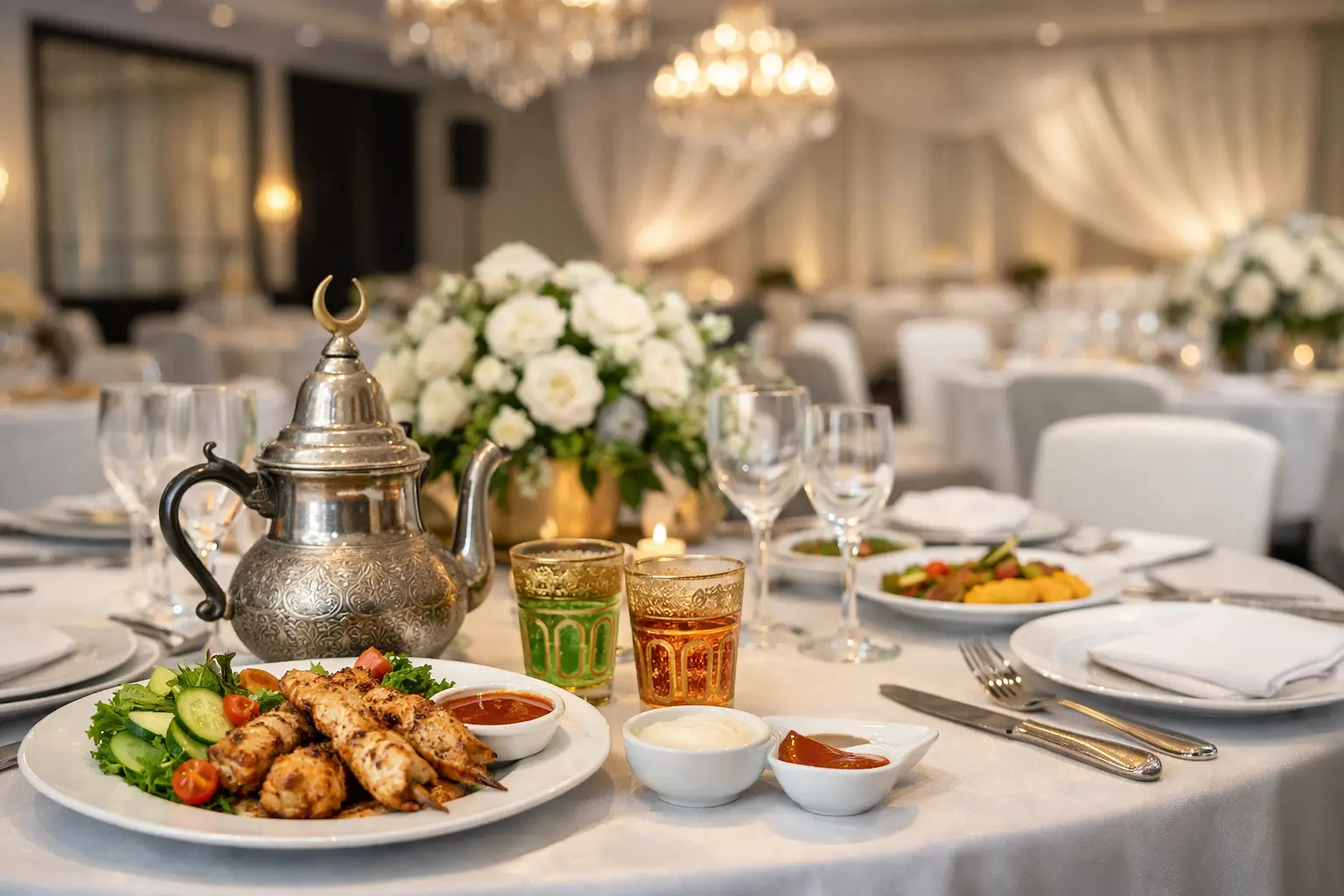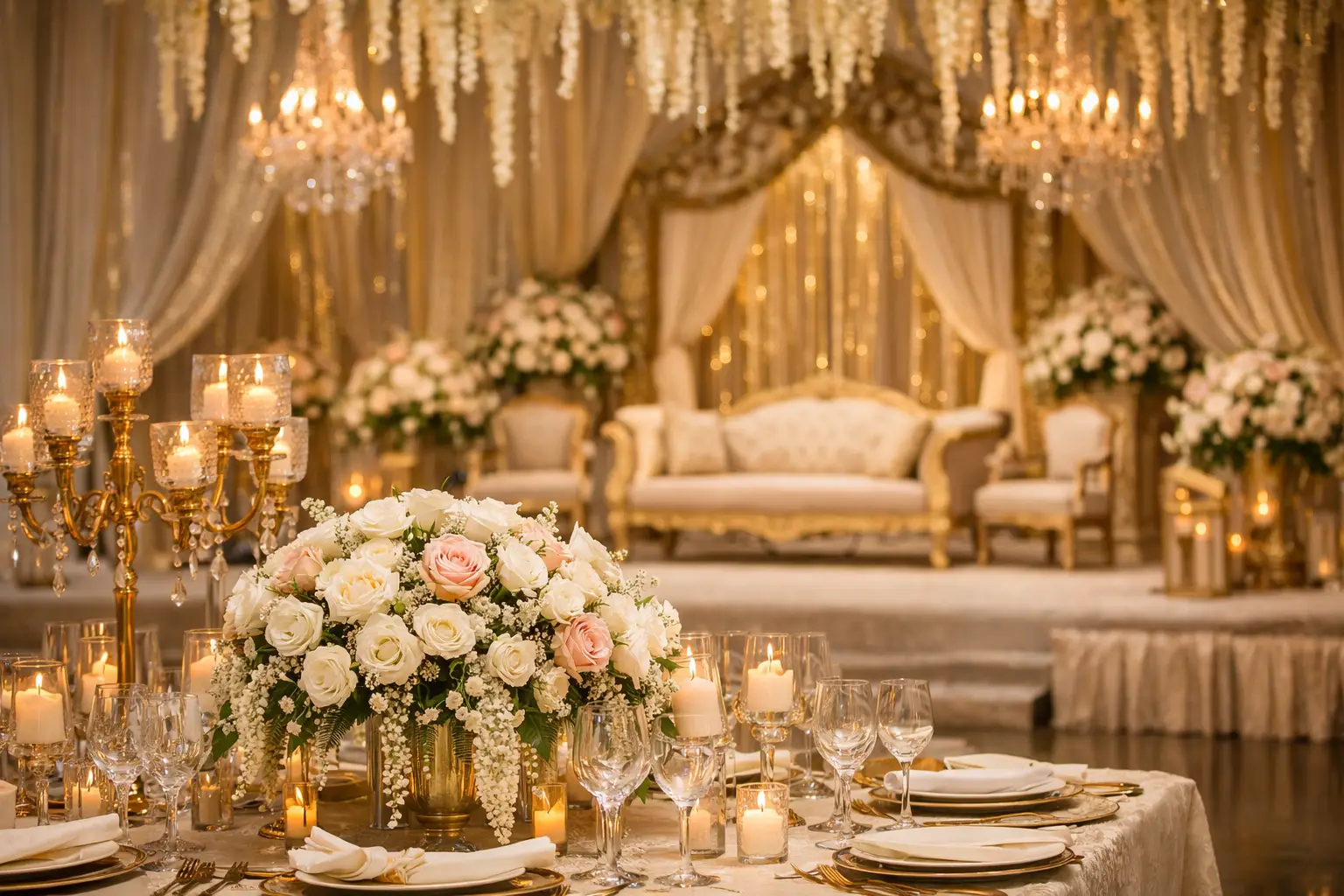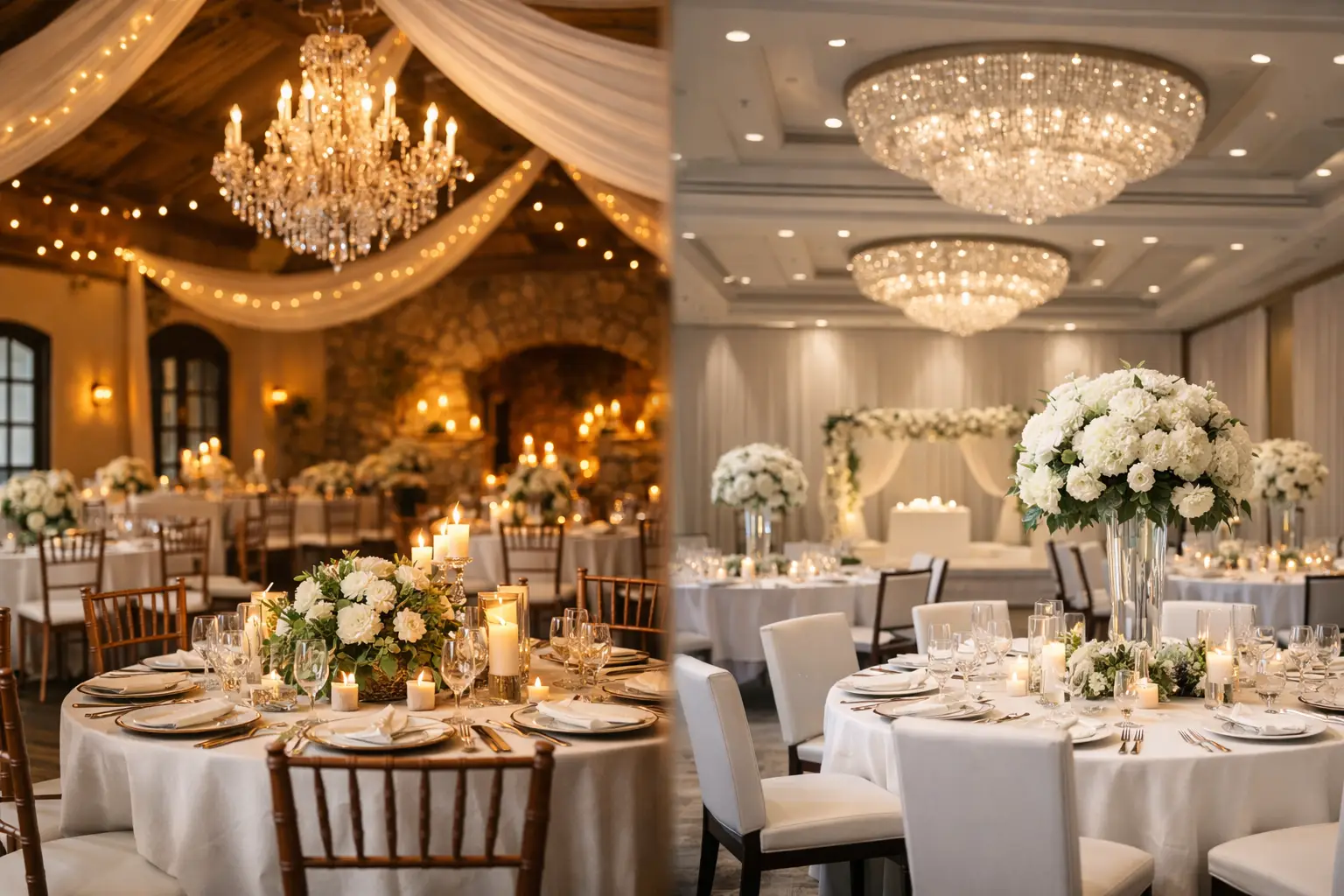
The choice between a banquet hall versus hotel ballroom is rarely just about the room. It shapes how your guests arrive, where your family gathers, how your food is served, whether traditions can be honoured freely, and how much coordination falls on your shoulders. For a celebration with meaning, personality and a full guest list, the right setting makes effortless elegance feel possible.

A hotel ballroom can offer a familiar sense of occasion, particularly for a smaller reception or a wedding where overnight accommodation is a priority. A dedicated banqueting venue, however, is often designed around the celebration itself: grand entrances, generous dining layouts, dedicated event teams, flexible décor and the energy required for a full-scale party.

Banquet Hall Versus Hotel Ballroom: The Real Difference

The most visible difference is usually scale, but it is not the only one. Hotel ballrooms are part of a wider operation. Their layout, service timings and supplier rules may need to work around hotel guests, restaurant service, conferences and other events taking place on the same day.

A banquet hall is purpose-built for weddings and celebrations. This can mean a more private arrival, a stronger sense that the entire venue belongs to your occasion, and more room to shape the experience around your family and traditions. For couples planning a vibrant Asian, Muslim, British or Afro-Caribbean wedding, that freedom can be invaluable.

Neither option is automatically better. The right choice depends on the guest experience you want to create, the level of support you need and the practical details that matter to your families.

Space, Flow and the Atmosphere of the Day

A ballroom may feel polished and formal, but its proportions deserve close attention. Ask where the stage, dancefloor, top table, buffet or table service will sit once every guest is in the room. A space that looks impressive when empty can feel restrictive after dining tables, décor, photographers and entertainers have arrived.

Dedicated banqueting halls tend to be planned with large celebrations in mind. They can allow guests to move comfortably between the reception, dining area and dancefloor without losing the sense of occasion. This matters especially where there are several meaningful moments to accommodate, from a grand couple entrance and cake cutting to speeches, performances, prayer considerations and late-evening dancing.

Ceiling height, lighting and sightlines also matter. A beautiful backdrop loses impact if guests at the back cannot see it, while a low ceiling can limit floral installations or statement staging. During a viewing, imagine the room at its busiest, not simply styled for photographs.

Privacy for Your Celebration

Hotels are naturally shared environments. This is not always a disadvantage, but it can affect the feel of the day. Guests may pass through public corridors, parking may be shared, and noise policies can limit how late the celebration runs.

At a specialist venue, the focus is more likely to remain on your event from arrival to farewell. That privacy can give families greater confidence, particularly when the wedding includes cultural rituals, formal welcoming traditions or an energetic party that deserves to unfold without interruption.

Catering Is More Than a Menu Choice

For many families, the meal is one of the clearest expressions of hospitality. A hotel may offer dependable in-house catering, yet its menu may be structured around a general audience and fixed service style. If authentic halal Pakistani or Bangladeshi cuisine is central to your celebration, it is worth asking precise questions about preparation, sourcing, kitchen practice and the team’s experience of serving larger cultural weddings.

A banqueting venue with established halal catering expertise can bring reassurance alongside flavour. It understands that the food must arrive beautifully presented, generously portioned and at the right moment in the programme. It also recognises the importance of dietary needs, family expectations and service that feels warm rather than transactional.

Flexibility is equally valuable. Some couples want an all-inclusive package, where catering, décor and coordination are brought together by an experienced team. Others have a cherished family caterer or a specific supplier they wish to involve. Dry hire and self-catering options can make a specialist hall a compelling choice, provided the venue has clear rules and practical facilities to support them.

Cultural Understanding Cannot Be an Afterthought

A wedding can look luxurious in any beautiful room. It feels personal when the people behind it understand what the day represents.

For a nikah, walima, civil ceremony reception, traditional South Asian celebration or Afro-Caribbean wedding party, timings and customs may not follow a standard hotel event sheet. There may be separate family arrivals, particular seating needs, a prayer space, specialist entertainment, multiple outfit changes or a schedule that builds towards an evening celebration.

A venue team with cultural fluency does not treat these details as unusual requests. It anticipates them, asks the right questions and helps the day progress with calm assurance. This is where a purpose-led banqueting venue can offer something more meaningful than a beautiful ballroom: a team that knows how to protect the traditions while delivering a refined, contemporary experience.

Comparing Costs Without Missing the Details

The advertised room hire is only one part of the budget. Hotel ballroom packages can initially appear straightforward, but check what is included before comparing figures. Service charges, minimum food and beverage spends, corkage, late licences, chair covers, staging, security, parking and supplier access can all affect the final cost.

A banquet hall package may offer stronger value where it brings together the elements you would otherwise source separately. Venue hire, halal catering, décor, hospitality and planning support can be coordinated under one experienced team, reducing both administration and uncertainty. This is particularly helpful for couples balancing the expectations of two families while planning a substantial guest list.

That said, an all-inclusive route is not the right answer for everyone. If you have a clear creative team, a preferred caterer and the time to oversee every contract, dry hire may give you more control. The question is not simply which option is cheaper. It is whether the price reflects the service, flexibility and peace of mind you genuinely need.

Practical Details Guests Will Remember

The most elegant wedding can be undermined by avoidable friction. Think about accessibility for older relatives, parking for guests travelling from across London and Essex, space for children, clear drop-off points and the journey home at the end of the night.

A hotel has the obvious advantage of bedrooms on site. This can be ideal for guests travelling a long distance or for couples who want to continue the celebration over breakfast the following morning. If accommodation is the deciding factor, ask about room allocations, guest rates and whether other hotel activity could affect your experience.

A banqueting venue may be stronger on guest parking, private use of the event spaces and practical supplier access. Its location should also work for the people who matter most, not only for the couple. For families across East London, Romford and Essex, an accessible venue can make attendance easier and the whole occasion more relaxed.

Questions to Ask at Your Viewing

The best viewing is not just a tour. It is a planning conversation. Ask whether your event will be the only major celebration taking place, what time suppliers can access the room, how the venue manages changes to guest numbers and who will be present on the day to resolve any issue.

Discuss food in detail, including halal assurance, tasting opportunities, children’s meals and service style. Ask to see a realistic room layout for your expected guest count, with space for the dancefloor, stage and any cultural elements you plan to include. Finally, request a clear written breakdown of what is included and what may incur an additional charge.

At The Grove Banqueting, couples can choose the reassurance of a coordinated, all-inclusive celebration or the flexibility to shape their event through dry hire and trusted personal suppliers. The aim is the same in either case: a wedding that feels distinctly yours, delivered with the polish and care your families deserve.

Choose the venue that gives you more than an impressive first impression. Choose the one where your guests can be welcomed generously, your traditions are understood and your celebration has the space to become the masterpiece you have imagined.


A mehndi should feel like the moment colour takes over: hands painted in intricate detail, music lifting the room and every corner ready for photographs. The best mehndi decor colour combinations do more than look beautiful in isolation. They complement the bride’s outfit, honour family traditions and create a polished setting that still feels full of warmth and joy.

For large celebrations, the secret is not simply choosing brighter shades. It is choosing a confident palette, giving each colour a clear role, and carrying it through the stage, florals, linens, signage and table details with restraint. That is how a lively mehndi becomes an effortless masterpiece rather than a room competing for attention.

Choosing the best mehndi decor colour combinations

Begin with the atmosphere you want guests to feel when they enter. A daytime garden-style mehndi can carry fresh citrus tones and abundant flowers, while an evening celebration often benefits from richer jewel shades, warm lighting and metallic accents. Your venue’s existing finishes matter too. A neutral, elegant ballroom gives bolder colours room to shine; a space with strong existing colours may call for a more edited scheme.

The bride’s lehenga or outfit is usually the best starting point. If she is wearing vivid fuchsia, for example, a stage dressed in equally intense pink, red, orange and purple can overwhelm the photographs. Balance is more flattering: let one or two colours lead, then use softer supporting shades and a single metallic finish. Gold brings warmth and tradition, while silver, mirrored details or pearl accents lend a cooler, contemporary feel.

1. Marigold yellow, orange and fuchsia

This is the classic high-energy mehndi palette for good reason. Marigold yellow creates instant sunshine, orange adds depth, and fuchsia gives the scheme a celebratory South Asian flourish. Use dense marigold garlands around a floral backdrop, with fuchsia cushions, napkins or hanging ribbons to prevent the look becoming too yellow-led.

It works particularly well for daytime events and couples who want a vibrant, traditional celebration. The trade-off is intensity: introduce ivory, pale peach or natural cane furniture so the eye has somewhere to rest. Warm white lighting will preserve the rich character of the flowers after sunset.

2. Pink, peach and soft gold

Pink and peach create a romantic, feminine setting without losing the playful spirit of a mehndi. Soft gold brings the palette together beautifully through lanterns, charger plates, carved frames or subtle fabric detailing. This is an excellent choice when the bride’s look includes blush, rose pink, champagne or gold embroidery.

For a premium finish, vary the pinks rather than using one flat tone. Combine dusty rose, fresh pink florals and apricot peach draping, then reserve gold for the details that catch the light. The result is gentle enough for an intimate family gathering yet polished enough for a grand reception-style celebration.

3. Emerald green, yellow and antique gold

Emerald green gives mehndi décor a regal, grounded base. Paired with yellow florals and antique gold accents, it feels luxurious, heritage-inspired and wonderfully photogenic. Green velvet seating, foliage-rich arrangements and gold framework create a sophisticated contrast with yellow marigolds or roses.

This combination is ideal for evening functions or for couples who would like their décor to feel richly layered rather than overtly pastel. Avoid adding too many further colours. A small note of ivory or deep pink is enough; additional bright shades can dilute the elegance that makes this palette so distinctive.

4. Turquoise, coral and mango yellow

For a fresh, playful mehndi, turquoise and coral are a striking pair. Mango yellow bridges them with warmth, creating a palette that feels festive without relying on the usual pink-and-orange formula. It suits families who want an upbeat celebration with a modern visual identity.

Turquoise works best as an anchor rather than an all-over colour. Consider it for a backdrop panel, lounge cushions or table runners, then layer coral and yellow through flowers and smaller décor elements. Against a bright white or cream setting, this scheme feels clean, energetic and beautifully suited to summer celebrations.

5. Lilac, lemon and pale green

Lilac and lemon bring a softer, fashion-led mood to the mehndi. Pale green foliage and florals add freshness, making the overall effect light, refined and quietly joyful. It is a lovely option for a daytime celebration, especially where natural light, floral installations and a more contemporary bridal outfit are part of the vision.

Because these shades are delicate, scale matters. In a large ballroom, use generous floral clusters and layered fabrics so the palette does not disappear in photographs. Add a touch of gold or mirrored detailing for definition, but keep it minimal. The charm lies in the airy, considered finish.

6. Cobalt blue, hot pink and orange

Cobalt blue has a dramatic quality that makes pink and orange appear even more vivid. The combination is bold, glamorous and ideal for couples who want their mehndi stage to be a true focal point. Blue drapes or panelled backdrops set the scene, while hot pink blooms and orange garlands create movement and contrast.

This palette is most successful with controlled lighting. Blue can appear darker in the evening, so warm uplighting and well-positioned stage lighting are essential. Include gold furniture or brass lanterns to soften the contrast and ensure the room feels celebratory rather than theatrical.

7. Red, pink and gold

Red is not reserved for the wedding day. When handled with care, it can make a mehndi feel opulent, romantic and deeply connected to tradition. Pair red with varying shades of pink, rather than green or too many competing tones, and use gold in the finishing details for a cohesive, elevated look.

This is especially effective for families planning several events with a clear visual story. If the main wedding décor will feature red, use a lighter rose and pink-led version for the mehndi, saving deeper crimson for selected florals, cushions and ornamental pieces. The occasions will feel connected without looking identical.

8. Ivory, sage and muted gold

Not every mehndi needs saturated colour. Ivory, sage and muted gold offer a serene alternative for couples who prefer understated luxury. Think sage foliage, ivory blooms, textured neutral drapes and antique-gold details, with perhaps a single brighter accent in the floral arrangements.

This palette works well where the celebration includes elegant British styling alongside South Asian traditions. It also provides a calm backdrop for brightly coloured outfits, henna detail and colourful guest attire. The risk is that it can feel too restrained for a high-spirited mehndi, so build warmth through candlelight, music, layered textures and generous hospitality.

Let the palette work across the whole celebration

The stage may be the visual centrepiece, but it should not carry every colour on its own. Repeating key shades in the welcome sign, seating area, dining tables and dessert display gives the event a more complete, intentional finish. A large guest list needs this continuity: it helps the room feel designed as one celebration, not as separate decorative moments.

Florals are often where the palette becomes most expressive. Marigolds, roses, carnations, orchids and foliage can all be chosen for their colour as much as their form. Fresh flowers deliver fragrance and softness, while high-quality artificial installations can be practical for complex hanging displays or lengthy celebrations. The best choice depends on the design, budget and how much of the décor will need to withstand heat, handling and a busy event schedule.

Do not overlook the practical side of colour planning. Ask to see samples under the venue lighting, especially if your mehndi will move from afternoon into evening. Consider how colours will appear beside your catering presentation, on the dance floor and in professional photography. Pale fabrics may need bolder floral accents in a spacious room; darker backdrops may need additional lighting for guests and cameras.

At The Grove Banqueting, couples can shape a mehndi setting around their traditions, guest numbers and personal style, while benefiting from a team that understands the details behind a beautifully coordinated celebration. The right palette is the one that makes your guests feel the happiness of the occasion before the first song begins – and lets every photograph bring that feeling back for years to come.

A 350-guest wedding is not simply a smaller celebration multiplied by three. It has its own rhythm: more tables to dress, more meals to serve at precisely the right moment, more family expectations to honour and more moving parts to coordinate beautifully. Learning how to budget a large wedding starts with recognising that every decision must work at scale, while still feeling personal, generous and true to you.

The goal is not to strip away the details that make your day meaningful. It is to spend with intention, protect the guest experience and create a celebration that feels effortless from the first welcome to the final farewell.

Start with the guest count, not the wish list

Your guest count is the foundation of a large wedding budget. It affects the size of venue you require, the catering bill, table linen, centrepieces, invitations, favours, staffing, security and transport arrangements. Before falling in love with a particular décor scheme or entertainment act, create three realistic guest-list figures: the ideal number, the likely number and the absolute maximum capacity you are prepared to host.

For many Asian, Muslim and Afro-Caribbean weddings, the guest list can grow quickly once both families begin adding relatives, friends and community members. That is not a problem, but it does require an honest conversation early on. Agree who has responsibility for each portion of the list and set a clear deadline for additions.

A useful calculation is your total available budget divided by the maximum guest count. This gives you a working amount per guest before you begin allocating it between food, venue, décor and the rest. It will not be a final figure, but it stops the plan becoming detached from reality.

Set one complete budget before booking anything

Large celebrations are often funded by more than one person or household. Clarity is a kindness here. Confirm the total contribution from each party, whether any funds are dependent on particular choices, and when payments will be available. A generous verbal offer is not the same as money available for a supplier deposit next month.

Create one central budget document, shared with the people making financial decisions. It should show the agreed total, deposits paid, balances due, estimated costs and a contingency fund. Keep the contingency separate rather than treating it as spare money for upgrades. For a substantial wedding, reserving around 10 per cent for changes, additional guests or last-minute requirements is sensible.

Do not forget the less glamorous costs. Wedding attire alterations, hair and make-up trials, civil ceremony fees, supplier meals, service charges, late-night transport, printing, gifts and post-wedding cleaning can all appear outside the initial quotes. A budget only feels reassuring when it includes the whole picture.

Decide what luxury means to you

A premium wedding does not require the highest possible spend in every category. It means choosing the elements that will have the greatest emotional and visual impact for you and your guests.

For one couple, that may be exceptional halal catering with generous late-evening food. For another, it may be a dramatic entrance, a beautifully dressed stage and a packed dance floor. A British reception may place particular value on a refined dining experience and elegant tablescape, while a multi-day South Asian celebration may prioritise separate events, traditional cuisine and bespoke décor. There is no universal hierarchy.

Choose three non-negotiables together, then identify areas where you are happy to be more flexible. This creates a decision-making filter when attractive extras are presented later. If fresh florals are not one of your priorities, a considered combination of statement arrangements, candlelight and quality silk blooms may create a more polished result than trying to fill every surface with expensive flowers.

Choose a venue model that reduces hidden costs

The right venue can make a large wedding easier to budget because it brings major elements into one coordinated plan. An all-inclusive package may combine venue hire, catering, tables and chairs, décor, hospitality staff and planning support. This can offer stronger cost visibility and fewer separate suppliers to manage.

Dry hire can be equally appealing when you have trusted family caterers, a preferred decorator or a very specific creative vision. However, compare like for like. Ask what is included in the hire fee, who supplies furniture, crockery, staffing, security, cleaning, lighting and kitchen access, and whether there are restrictions on external suppliers.

At a high-capacity celebration, operational details become part of the guest experience. Adequate parking, accessible entry, a practical location for guests travelling from East London and Essex, prayer facilities where required, and enough space for dining, dancing and formal entrances are not minor extras. They prevent friction on the day and can avoid costly last-minute solutions.

The Grove Banqueting’s approach to package planning is designed around this principle: bringing venue, authentic halal cuisine, décor and experienced coordination together so couples can focus their budget on the celebration rather than a long list of disconnected arrangements.

Build your budget in the right order

When working out how to budget a large wedding, secure the costs that determine the whole event first. Venue, catering and guest capacity should lead the plan, followed by photography or videography, entertainment and your core décor. These suppliers are often booked earliest and have the greatest effect on the final budget.

Once these foundations are confirmed, allocate funds to the finishing touches: stationery, favours, additional signage, a sweet table, special effects or upgraded furniture. These details can be beautiful, but they should not undermine essential spending.

As a broad guide, many larger weddings devote the largest share to the venue, food and service. Photography, videography, entertainment, attire and décor follow, with the contingency protected throughout. The precise proportions depend on your format. A reception with lavish catering may put more into dining, while an event centred on production and performance may require a larger entertainment and lighting allowance.

Request detailed written proposals rather than relying on a single headline figure. Check whether prices include VAT, staffing, service charges, menu tastings, chair covers, tableware, setup and breakdown. If a quote seems significantly lower than another, it may simply include less.

Control guest costs without losing generosity

Reducing a large wedding budget does not have to mean making guests feel less valued. The most successful savings are usually invisible because they come from thoughtful planning rather than cutting hospitality.

Consider a shorter drinks reception if a full meal and evening celebration are the true focus. Choose a carefully designed menu with fewer courses rather than a vast selection that creates waste. Use one standout backdrop for the stage, entrance or cake display, then allow the rest of the room to feel cohesive through linens, lighting and repeated floral accents.

For stationery, one beautifully designed invitation suite can be followed by digital updates for schedule details and reminders. For favours, choose something culturally meaningful and practical, or direct that budget towards a dessert station guests will genuinely enjoy. A packed room remembers warmth, flavour, music and atmosphere far more than a long list of individually expensive details.

Be precise with cultural and faith-sensitive requirements

Cultural traditions should never be treated as an afterthought in the budget. If you are planning a nikah, walima, mendhi, sangeet, tea ceremony, traditional entrance or family-led programme, discuss the order of events with your venue and suppliers early. Timing affects catering service, room turns, staffing, photography coverage and décor installation.

For halal weddings, confirm not only that food is halal, but how it is sourced, prepared and served. If there are requirements around prayer times, gender-sensitive arrangements or alcohol-free service, establish these expectations before signing contracts. A team with genuine experience can plan these details naturally, avoiding expensive changes later.

The same applies to entertainment. A live band, DJ, dhol player, MC or cultural performers may require sound checks, staging, power access and a clear running order. Build this into the production plan from the beginning rather than adding it close to the date.

Review the numbers at every milestone

A budget is not a document you set once and forget. Review it after booking the venue, after confirming the guest list, after finalising the menu and again six to eight weeks before the wedding. Each review should answer one question: are we still spending according to our priorities?

If an area rises above budget, make a deliberate adjustment elsewhere rather than hoping it will balance itself out. Small overspends across several categories can become substantial at a large wedding. Keep every revised quote, payment receipt and contract in the same place, and note final payment dates clearly.

Your wedding should feel abundant, not financially uncertain. With a clear guest-count strategy, honest family conversations and suppliers who understand the scale and traditions of your day, a large celebration can be both beautifully generous and carefully controlled. The finest result is a room full of people who feel wonderfully hosted, while you are free to enjoy every meaningful moment.

The best Afro-Caribbean wedding venue does more than provide a beautiful room. It gives your families the confidence that every entrance, speech, serving style and final dance will feel true to you. For a celebration with a full guest list, high expectations and a soundtrack made for the dance floor, the setting must bring together visual impact, warm hospitality and calm, capable coordination.

An Afro-Caribbean wedding can be deeply personal while wonderfully expansive. It may blend church or civil ceremony traditions, vibrant formalwear, Caribbean-inspired food, a live band or DJ, family-led speeches and a reception that carries on long after the first dance. Choosing the right venue is about protecting the joy of that occasion while making the practical details feel effortless.

What an Afro-Caribbean Wedding Venue Should Understand

Cultural understanding is not a decorative extra. It shapes how confidently a venue team can support the day. Your celebration may need room for a grand bridal party entrance, an unhurried receiving line, significant family photographs, a packed dance floor and a dining service that keeps guests comfortable without interrupting the energy of the room.

A knowledgeable team will ask the right questions early. How many guests are expected for the ceremony and evening reception? Will there be a live performer, a DJ or both? Are you planning a formal plated meal, sharing dishes, buffet service or food supplied by a specialist caterer? These details determine the right layout, timings and staffing, not just the price of the package.

It also matters that your plans are welcomed rather than merely accommodated. Couples should feel free to bring their own character to the occasion, from bold florals and statement backdrops to a carefully chosen menu and music that reflects the families in the room. A premium venue should provide an elegant canvas, then help you make it unmistakably yours.

Space That Looks Beautiful and Works Hard

A striking ballroom is essential, but a wedding venue must also work behind the scenes. Look beyond the first impression of the room and consider how guests will move through the day. A generous reception area creates a polished arrival, while a spacious main suite allows formal dining to transition naturally into an evening celebration.

For larger Afro-Caribbean weddings, capacity deserves careful attention. A room can technically hold a high number of guests but still feel cramped once tables, a dance floor, staging, a sweetheart table, décor installations and entertainment equipment are in place. Ask to see a layout based on your anticipated guest count, rather than a maximum-capacity diagram.

A dance floor is part of the celebration

Music is often one of the strongest expressions of an Afro-Caribbean wedding, so the dance floor should never be an afterthought. Confirm whether the space has suitable room for your DJ, speakers, lighting and, if required, a live band. Discuss sound expectations with the venue in advance, including finishing times, so there are no unwelcome surprises when the evening is in full flow.

The best layouts keep the atmosphere connected. Guests who prefer to sit and talk should still feel part of the celebration, while those ready to dance need enough space to enjoy it properly. This balance is especially valuable when several generations are celebrating together.

Styling should reflect your vision

Luxury does not mean every wedding looks the same. A versatile venue should suit a clean, contemporary palette just as well as rich jewel tones, gold detailing, lush floral centrepieces or dramatic draping. Ask what is included within the décor offering and what can be tailored. Chair styling, table linen, stage design, lighting, centrepieces and welcome signage can transform a room when they are planned as one cohesive vision.

If you have a trusted decorator, clarify the venue’s access times, installation rules and collection arrangements. If you prefer the convenience of an in-house or recommended décor partner, ask to view examples that reflect different styles rather than one fixed look.

Catering That Feels Generous, Not Generic

Food is remembered long after the final photograph. For many families, it is also an expression of care. Whether your menu is inspired by Caribbean flavours, British favourites, African dishes or a blend of cuisines, guests should be served with generosity and attention.

Some couples want an all-inclusive package with catering coordinated alongside the venue, décor and hospitality. This can remove considerable pressure, particularly when planning a large wedding with many moving parts. Others need dry hire or self-catering flexibility so a cherished family caterer or specialist Caribbean chef can lead the menu. Neither route is automatically better. The right choice depends on how important menu control is to you, your budget and the complexity of your plans.

Before booking, be clear about tasting opportunities, catering equipment, kitchen access, service staff, menu customisation and dietary requirements. If halal catering is required for some or all guests, this should be discussed openly from the outset. A culturally fluent venue can help couples accommodate different dietary needs gracefully, without making anyone feel like an afterthought.

The Details Families Notice Most

A wedding may be designed around a grand vision, but guests remember how they were looked after. Practical facilities are a meaningful part of luxury hospitality, especially for an event welcoming relatives from across London, Essex and beyond.

Consider the journey from arrival to departure. Is there ample on-site parking? Is the venue accessible for elderly relatives and guests with mobility requirements? Are there comfortable spaces for the wedding party to prepare or take a quiet moment before the entrance? Is the location straightforward for guests travelling by car or public transport?

These are not minor points. When guests arrive comfortably, find their way easily and are welcomed by an attentive team, the entire celebration begins on the right note. The same applies to the couple. A dedicated coordinator who understands the running order can discreetly manage suppliers, guide key moments and keep the day moving without drawing attention away from you.

Questions to Ask at Your Venue Viewing

A viewing is your opportunity to see how a venue feels when it is not dressed for a brochure. Notice the quality of the welcome, the condition of the facilities and how clearly the team explains what is possible. Bring the people who will help make decisions, particularly if parents or close family members are contributing to the planning.

Ask whether the venue can create a tailored schedule around your ceremony, photographs, meal, speeches and evening entertainment. Confirm what is included in the package and what may carry an additional charge, such as extended hire, specialist lighting, corkage, security, late finishing or external supplier access. A clear proposal is a sign of a well-run venue.

It is also wise to ask who will be present on the day itself. The person who sells the venue may not be the person coordinating your wedding. Knowing your point of contact, the event manager’s responsibilities and how last-minute changes are handled provides valuable reassurance.

A Refined Setting Close to East London and Essex

For couples seeking an Afro-Caribbean wedding venue within easy reach of East London, Romford and Essex, location can offer a genuine advantage. A venue that is convenient for both families makes attendance easier, particularly for large guest lists, while still giving the occasion the sense of escape and occasion it deserves.

At The Grove Banqueting, couples can choose the reassurance of a coordinated wedding package or the flexibility to shape their day with selected external suppliers. The focus is on polished hospitality, elegant surroundings and experienced support that respects the traditions behind every celebration.

Your wedding venue should leave room for the things that matter most: the pride in your parents’ faces, the energy of your guests, the food shared at the table and the music that brings everyone together. Choose a team that sees the scale of your vision and has the experience to make every meaningful moment feel beautifully looked after.

A grand entrance, a beautifully dressed ballroom and a generous guest capacity can make an immediate impression. Yet a meaningful halal banqueting venue review looks beyond the first photograph. For couples and families planning a Muslim wedding, the true measure of a venue is whether every detail – from the kitchen to the timetable – honours your faith, your traditions and the standard of celebration you have imagined.

The right setting should make a large, detail-rich occasion feel effortless. It should give parents confidence, give guests a warm welcome and give the couple space to enjoy the moment rather than manage suppliers, service timings and last-minute questions. Here are seven essentials worth assessing before you commit to a venue.

1. Verify the halal catering standard

Halal catering should be more than a label on a wedding package. Ask how the food is sourced, prepared and served, and whether the culinary team understands the distinction between halal food and a menu that genuinely reflects the hospitality of your family. For many South Asian weddings, dishes such as biryani, karahi, grilled meats and celebratory desserts carry real significance. They should arrive with authenticity, flavour and the polish expected at a premium reception.

A venue should also be able to accommodate the practical details surrounding the menu. This includes tastings before you make final choices, thoughtful vegetarian and vegan alternatives, clear allergen information and a service plan that keeps a substantial guest list well fed without leaving tables waiting too long.

If external caterers matter to your family, clarify the policy early. Some couples value an all-inclusive package with an established halal catering partner; others need the freedom of self-catering or dry hire. Neither approach is automatically better. What matters is that the venue is transparent about kitchen access, delivery arrangements, equipment, staffing and any associated charges.

2. Look for faith-sensitive planning, not assumptions

A refined halal wedding venue understands that religious and cultural requirements influence the flow of the day. Prayer arrangements, separate spaces where appropriate, modesty considerations, a dry celebration and the timing of key moments should be discussed with care, never treated as an afterthought.

Ask whether there is a quiet, suitable area for prayer and how the team accommodates it during a busy reception. If you are planning separate celebrations, a women-only event, or particular family customs around arrivals and seating, explain this at the viewing. An experienced team will listen carefully, ask the right questions and offer solutions without making you feel that your plans are unusual or difficult.

This cultural fluency matters just as much for multicultural celebrations. A wedding may bring together Pakistani, Bangladeshi, British or Afro-Caribbean traditions in one room. The best venues make space for each element with confidence, whether that means a formal entrance, a lively dance floor, traditional attire changes or a carefully planned programme of speeches and performances.

3. Judge the room at your real guest count

Capacity on paper is only a starting point. A ballroom can technically accommodate your number while still feeling cramped once you add a stage, dance floor, top table, dessert display, photographer, videographer and décor features. Equally, a large room can lose warmth if a more intimate guest list is spread too thinly.

During your viewing, picture the room set for your own celebration rather than an empty space. Ask to see examples of layouts for a comparable number of guests and discuss the size of tables, aisle widths and sightlines to the stage. Grand occasions need room for guests to move comfortably, greet one another and enjoy every key moment without congestion.

Consider the practical journey, too. Is there a polished reception area for arrivals? Can elderly relatives access the venue easily? Are the washrooms well maintained and conveniently located? Is there sufficient on-site parking, particularly for an evening celebration when several generations may be travelling together? These details rarely feature in a highlight reel, but they shape how welcome your guests feel.

4. Assess décor as part of the atmosphere

Décor is not simply an add-on. It changes how the room feels in photographs, how your entrance lands and how guests remember the occasion. A luxury venue should offer a strong foundation – elegant interiors, considered lighting and a clean, well-kept setting – while giving you the freedom to create something personal.

Ask what is included in a package and what can be tailored. Chair styling, table linens, centrepieces, floral designs, a statement stage, LED elements and a bespoke backdrop all affect the final look and budget. It is wise to request clarity on who sets up, who removes items and whether you may use your own décor specialists.

The most successful design choices reflect your celebration rather than following a passing trend. Rich florals and gold detailing may suit a lavish walima; crisp white styling may be right for a contemporary reception; vibrant colour and a dramatic dance floor can bring an Afro-Caribbean celebration to life. A venue team with trusted décor partnerships can simplify the process, but should still welcome your vision.

5. Examine how the service will run

Beautiful surroundings cannot compensate for uncertain coordination. Your halal banqueting venue review should explore who is responsible for the operational detail on the day. Will you have a dedicated event manager? Does the team coordinate caterers, decorators and entertainment? Who keeps the schedule moving if speeches run over or a supplier arrives late?

Good hospitality feels discreet. Guests should be directed kindly, courses should be served with care, and family members should not be pulled away from the celebration to answer routine questions. This is particularly valuable at weddings with large guest lists, where a small delay can quickly affect the entire evening.

Ask for a clear outline of what planning support is included. Full-service packages can offer enormous reassurance because venue hire, food, styling and coordination are managed through one experienced team. Dry hire offers greater supplier control, but it asks more of the couple or their planner. Choose the option that suits your appetite for involvement, rather than assuming one model represents better value.

6. Read the package details with care

A premium package should feel clear, not complicated. Request an itemised proposal covering venue access times, catering, furniture, décor, staffing, security, cleaning and any technical provision. Confirm the payment schedule, guest-number deadlines, overtime rates and what happens if your event runs beyond its agreed finish time.

It is also sensible to discuss the details that can otherwise become surprises: corkage or bar policies, vendor insurance requirements, restrictions on candles or confetti, access for entertainers and the cost of additional security where needed. Clarity protects both sides and allows you to make decisions with confidence.

Value is not always found in the lowest headline figure. A venue that includes experienced coordination, reliable catering, quality furnishings and efficient supplier management may save considerable stress and prevent multiple separate costs later. The key is comparing like with like.

7. Pay attention to how you feel at the viewing

The final test is personal. Did the team listen to your priorities? Did they speak knowledgeably about halal catering and cultural traditions? Were your questions answered directly? A wedding venue is trusted with one of your family’s most important days, so professionalism should be matched by genuine warmth.

At The Grove Banqueting, this balance is central to the experience: an elegant setting supported by culturally informed planning, authentic halal cuisine and the flexibility to shape a celebration around your family. It is the difference between hiring a beautiful room and placing your occasion in capable hands.

Bring a parent, sibling or trusted friend to a second viewing if you can. They may notice practical points you miss while imagining the first dance or the grand entrance. When the food, space, service and cultural understanding all feel right, you can move forward knowing the celebration will be remembered for its joy, generosity and effortless elegance.

The menu is never just food at a wedding. It is the aroma that welcomes guests, the shared plates that bring families together and, for many couples, a meaningful expression of culture and faith. So, can you bring your own caterer to a wedding venue? Often, yes – but the answer depends on the venue’s licence, facilities, insurance requirements and the level of service you expect on the day.

For couples planning a large celebration in London or Essex, catering flexibility can be a deciding factor. Whether you want cherished family recipes, specialist halal cuisine or an Afro-Caribbean feast with a particular style of hospitality, the right arrangement should protect both your vision and the smooth running of your celebration.

Can You Bring Your Own Caterer to a Wedding Venue?

Some venues operate with an exclusive in-house caterer, while others offer a preferred supplier list or allow fully independent caterers under a dry-hire or self-catering agreement. None of these approaches is automatically better. What matters is whether the policy gives you the quality, cultural understanding and reassurance your wedding deserves.

An in-house or established catering partner can make planning considerably easier. The team already knows the kitchen, loading arrangements, timings, staff requirements and presentation standards. This is particularly valuable for guest lists of several hundred, where a late service or poorly coordinated changeover can affect the entire reception.

Bringing your own caterer, however, offers a different kind of freedom. You may have a family-favourite restaurant, a caterer known for a regional Pakistani or Bangladeshi dish, or a chef who understands exactly how your community celebrates. A venue that welcomes outside suppliers can give you the space to create a more personal menu, provided everyone works to a clear plan.

Start With the Venue’s Catering Policy

Ask about external catering before you fall in love with a room or confirm a date. A beautiful ballroom is only part of the picture. You need to know whether outside catering is permitted, whether it must be selected from approved suppliers and whether a separate dry-hire package applies.

Also ask whether there is a catering surcharge. Venues may charge a kitchen-use fee, corkage-style fee, cleaning fee or additional security deposit when an external team is involved. These costs are not necessarily unreasonable. They reflect extra cleaning, utilities, equipment use and coordination. They should, however, be transparent from the beginning, so your budget remains realistic.

It is equally wise to clarify who is responsible for clearing down after the event. A caterer may provide food and service staff but expect the venue to manage waste, linen or glassware. Clear responsibilities prevent unwelcome conversations at the end of a long and joyful evening.

Kitchen access changes everything

A caterer’s ability to deliver an exceptional meal depends on more than their menu. Ask to understand the practical facilities available: preparation areas, cooking equipment, refrigeration, freezer space, hand-washing stations, extraction, storage and access for deliveries. Not every venue kitchen is designed for every type of service.

For a formal plated dinner, the caterer needs sufficient space and equipment to plate hundreds of meals at pace. For a generous buffet, live station or family-style service, they need room to replenish dishes safely and keep food at the correct temperature. If your vision includes freshly prepared chapati, barbecue grilling or live dessert stations, discuss this in detail. Open-flame cooking and specialist equipment can be restricted for safety reasons.

Loading access matters too. A highly experienced caterer will arrive with heated cabinets, chilled ingredients, serving equipment and a full staffing plan. They need a practical route into the venue that does not interrupt guest arrivals or compromise the polished atmosphere you have carefully created.

Halal Catering Requires More Than a Label

For Muslim couples and families, halal catering is a matter of confidence, care and authenticity. If you choose an external caterer, establish exactly how halal integrity will be maintained from preparation through to service. This includes ingredient sourcing, separate storage, cooking arrangements, utensils and staff awareness.

The question becomes more detailed if alcohol is being served elsewhere at the event, or if the venue hosts multiple functions on the same day. Discuss whether your caterer will have dedicated preparation space and whether food can be protected from cross-contact. A knowledgeable venue will welcome these questions, because they understand that faith-sensitive planning is part of creating a relaxed experience for every guest.

The same principle applies to dietary needs across the wider guest list. Vegetarian, vegan, nut-free and children’s meals should feel considered, not like an afterthought. An elegant wedding meal allows everyone to feel included at the table.

Cultural fluency is part of the service

Food service has its own rhythm in every celebration. A South Asian wedding may need a substantial meal served after a late ceremony, alongside desserts, tea and snacks for guests who have travelled far. An Afro-Caribbean reception may call for vibrant sharing dishes, attentive bar service and a dancefloor schedule that runs well into the evening. A British wedding breakfast may require precise table service followed by evening food at a different pace.

Your caterer and venue must understand that rhythm together. The finest menu can lose its impact if the service arrives before key family photographs, clashes with speeches or leaves guests waiting while the room is reset. Ask who will create the final event timeline and who has authority to make decisions on the day.

Compare the True Cost, Not Just the Menu Price

An external caterer can appear more affordable at first glance, especially when comparing a per-head food quote with an all-inclusive package. Yet the full cost may include staffing, crockery, cutlery, glassware, linen, bar staff, kitchen hire, transport, late-night service, equipment and VAT. Once these elements are added, a packaged option may offer stronger value and far less coordination.

That does not mean an all-inclusive approach is right for every couple. If your chosen caterer delivers a menu no one else can replicate, or your family has a longstanding relationship with them, the investment may be worthwhile. The key is to compare like for like. Request a detailed breakdown and consider the time you or your family will spend managing suppliers.

At The Grove Banqueting, couples can explore the ease of established halal catering and décor partnerships, while retaining flexibility through dry hire and self-catering options where appropriate. This gives families a considered choice: a coordinated package designed for effortless elegance, or a more bespoke supplier-led celebration supported by an experienced venue team.

Protect Your Day With Clear Supplier Agreements

A professional external caterer should hold public liability insurance and appropriate food hygiene documentation. The venue may ask for copies well before the event, along with risk assessments, method statements and electrical safety records for any equipment they bring. These requirements safeguard your guests, your suppliers and the occasion itself.

Do not leave this paperwork until the final week. Confirm deadlines when you book, then ensure your caterer understands them. It is also sensible to establish arrival times, set-up access, parking arrangements, staff meals, collection times and any noise restrictions in writing.

Most importantly, make sure there is one named point of contact on each side. When a question arises during service, the venue manager should know exactly who can approve a change. A calm, capable response behind the scenes is what allows the bride, groom and their families to remain fully present for the moments that matter.

Questions Worth Asking Before You Confirm

Before making a final decision, ask the venue whether your caterer can visit for a site meeting or tasting. This is the ideal opportunity to walk through access, kitchen capacity, equipment, service style and the event schedule together.

Ask your caterer how many staff they will provide, how they will manage a delayed ceremony or extended speeches, and whether they have catered at a venue of similar scale. Enquire about contingency plans too. If a member of the team is delayed, a delivery is late or equipment fails, experience and preparation make all the difference.

Finally, consider the guest experience. Will the caterer’s presentation match the refinement of your venue? Can they serve efficiently without making the room feel busy or crowded? Luxury is not only seen in floral installations and table settings. It is felt in the warmth of the welcome, the confidence of the service and the ease with which every guest is cared for.

The best catering choice is the one that honours your traditions, suits your budget and leaves you free to enjoy your wedding rather than manage it. When the venue and caterer work as one, every course becomes part of the celebration you will remember for years to come.

A wedding package should do more than reserve a beautiful room for a few hours. It should bring the moving parts of your celebration together – from the first welcome to the final farewell – so you and your families can enjoy the occasion with confidence. When couples ask what is included in a wedding package, the honest answer is that every venue is different. The finest packages, however, pair impressive surroundings with thoughtful service, exceptional food and the practical support needed to make a large, meaningful celebration feel effortless.

For couples planning an Asian, Muslim, British or Afro-Caribbean wedding in London or Essex, the details matter even more. Catering must meet your requirements, décor must reflect your vision, and the team must understand the traditions that make the day personal. Here is what a well-considered luxury wedding package commonly includes, and what to clarify before making your decision.

What is included in a wedding package?

An all-inclusive package is designed to remove the need to source and manage every essential element separately. Rather than coordinating a venue, caterer, décor provider, waiting staff and event timings on your own, you work with one experienced team and a trusted network of specialists.

The precise offering will depend on your guest numbers, date, chosen suite and level of customisation. Some couples want a complete celebration with dining, styling and coordination in one place. Others prefer dry hire or self-catering flexibility because they have a particular caterer, decorator or family tradition they wish to retain. A good venue will make both routes clear, without leaving you to guess where extra costs may arise.

Venue hire and use of the celebration spaces

At the heart of any package is exclusive or dedicated use of the function space for your reception. This generally includes access for your agreed event hours, tables and chairs, a dance floor, a stage or focal area, and the facilities required to host your guests comfortably.

Luxury venues may also include use of an arrival area, private preparation rooms, a bridal suite, guest washrooms and outdoor spaces for photographs where available. For weddings with several moments to accommodate – such as a civil ceremony, nikah, walima, mandap ceremony, reception entrance or cake cutting – ask how the spaces can be arranged throughout the day. The room should support the rhythm of your celebration, not force you to compromise it.

Practical details deserve the same attention as the grand entrance. Confirm guest capacity for your preferred layout, access times for suppliers, lift or step-free access, nearby transport links and on-site parking. These are the arrangements that help elderly relatives, young children and guests travelling from across London arrive at ease.

Halal catering and a considered drinks service

Food is often the most remembered part of a wedding, particularly when families have gathered to celebrate heritage as well as marriage. A package may include a set menu, a menu tasting, welcome drinks, canapés, a multi-course wedding meal and evening refreshments. It may also cover crockery, cutlery, glassware, table linen and professional waiting staff.

For Muslim weddings, it is essential to establish whether the catering is fully halal, how ingredients are sourced and how dietary requirements are managed. Authentic Pakistani and Bangladeshi cuisine brings warmth, generosity and familiar flavour to the table, but the menu should still feel like yours. You may wish to combine traditional dishes with contemporary presentation, children’s options or vegetarian and vegan choices.

Ask whether soft drinks, tea and coffee service, a mocktail station or a bar arrangement are part of the package. There is no single right format. Some celebrations call for an alcohol-free drinks service; others require a licensed bar for guests. The important point is that the venue respects your preferences and prices them transparently.

Décor, florals and the visual character of the room

A polished wedding package commonly includes a foundation of elegant styling: dressed tables, chair décor, centrepieces, a top table arrangement, stage dressing and atmospheric lighting. Depending on the package, it might also feature a floral backdrop, aisle styling, a cake table, entrance features or a dedicated photo area.

This is where package inclusions can vary considerably. One venue may provide a sophisticated base décor scheme, while another may include a more extensive design installation. Neither is automatically better. If you have a clear vision involving bespoke florals, a particular colour palette, draping, a flower wall or cultural stage décor, discuss it early. You want to know which elements are included, which can be upgraded and whether you may work with an external stylist.

The most memorable rooms do not simply follow a trend. They honour the scale and spirit of the occasion. Rich jewel tones may suit a vibrant mehndi or sangeet; white florals and candlelight can create a refined British reception; bold colour and statement tablescapes can bring energy to an Afro-Caribbean celebration. Experienced décor partners help make these choices feel cohesive rather than overdone.

Hospitality, service staff and event coordination

A beautiful setting means little without composed, attentive hospitality. Most full-service packages include a front-of-house team to welcome guests, serve food and keep the event running to plan. This support is especially valuable at larger receptions, where timings can quickly shift as family photographs, speeches and arrivals unfold.

Planning support may include a pre-event meeting, floor-plan guidance, a detailed running order and coordination with approved suppliers. The team can advise on when to seat guests, serve the meal, prepare the stage for speeches and open the dance floor. They are not necessarily replacing a dedicated independent wedding planner, particularly for a multi-day celebration or highly complex production. They are ensuring the venue side of your day is handled with precision.

For culturally tailored weddings, this knowledge is invaluable. A team that understands the significance of a nikah, a grand couple entrance, family seating or a late-night meal can anticipate the pace of the day with greater sensitivity. It allows traditions to take their rightful place without making guests feel hurried.

What may not be included in a wedding package

The phrase ‘all-inclusive’ can sound absolute, so it is wise to review every proposal line by line. Common additions can include a registrar or celebrant, wedding cake, photographer, videographer, entertainment, DJ, live musicians, specialist lighting, stationery, transport, accommodation and bridal hair and make-up.

Some packages include basic production, such as microphones and a sound system, but charge separately for LED screens, moving lights, cold sparks or a dance floor upgrade. Corkage, security, extended venue hours and supplier meals may also be additional. These costs are not a reason to avoid a package. They simply need to be visible from the beginning, so your budget reflects the celebration you actually want.

Questions to ask before you book

Before committing to a venue, request a written breakdown of inclusions and exclusions. Ask whether pricing is based on a minimum guest number, whether children are charged at a separate rate and how final numbers are confirmed. You should also establish what happens if your guest count changes, whether menu tasting is included, and when the balance is due.

It is equally sensible to ask about cultural and faith requirements in practical terms. Can the venue accommodate a separate ceremony space or privacy needs? Are external caterers permitted for dry hire events? Is there flexibility for traditional timings, family-led rituals or a late finish? A warm verbal assurance is welcome, but a clear plan is what protects your peace of mind.

Choosing a package that feels personal

The right wedding package is not the one with the longest list. It is the one that covers the elements you genuinely value, gives you confidence in the people delivering them and still leaves room for your personality. A package can offer remarkable convenience without making your wedding feel standardised.

At The Grove Banqueting, the aim is to pair effortless elegance with the flexibility and cultural understanding each celebration deserves. When you view a venue, picture not only the photographs, but your guests being welcomed, your families enjoying an exceptional meal and every meaningful moment unfolding exactly as it should. That is the true value of a well-built wedding package.

A nikah is often the most intimate and meaningful moment of a Muslim wedding day. Before the entrance, the photographs and the celebration, there is the marriage contract itself: a faith-centred commitment shared with family and witnesses. So, can venues accommodate nikah ceremonies well? Absolutely – but the difference lies in whether a venue understands that a nikah is not simply another item on the running order.

For couples and families planning a celebration in London or Essex, the right setting should make space for reverence as well as grandeur. It should support the practical requirements of the ceremony, respect personal preferences around modesty and tradition, and still create the polished, beautiful experience everyone has imagined.

Can venues accommodate nikah ceremonies with care?

Many reception venues can host a nikah, yet their level of suitability varies considerably. A grand room alone is not enough. The team must be comfortable arranging the space for the imam, couple, wali and witnesses; coordinating the timing of prayers, photography and guest arrival; and creating an atmosphere that feels calm rather than hurried.

A well-prepared venue will begin by asking thoughtful questions. Will the nikah take place before the main reception, during it, or as a separate gathering? How many guests should be seated for the ceremony? Is a more private arrangement preferred before the wider celebration begins? These details shape everything from room layout to catering timings.

The most successful nikah celebrations balance sacred moments with effortless hospitality. Guests should not be left unsure where to go, elderly relatives should be comfortably accommodated, and the family should be free to focus on the occasion rather than directing suppliers or rearranging chairs. This is where an experienced events team becomes invaluable.

What a nikah-friendly venue should provide

Every family has its own customs, but several considerations are central when choosing a venue for a nikah. Begin with a private and flexible ceremony space. Some couples prefer an intimate area with only immediate family and witnesses present, while others want every guest to witness the vows. A venue with adaptable suites or the capacity to section a larger ballroom gives you more control over that choice.

The setting should also allow for considered seating. Depending on your preferences, this may mean a traditional arrangement for the bride and groom, dedicated seats for the wali and witnesses, or seating that supports separate family groups. There should be room for an elegant signing table and any floral styling, Qur’an display or personal details you wish to include, without making the ceremony area feel crowded.

Prayer facilities matter too. A quiet, clean area for salah allows guests to observe prayers comfortably throughout a long wedding day. Ask whether the space is private, how it will be signposted and whether separate arrangements can be made where required. For some families, access to suitable washing facilities is equally important, particularly if guests will be at the venue for several hours.

Accessibility is a mark of genuine hospitality. Step-free access, convenient drop-off points, comfortable seating and ample parking can make an enormous difference for grandparents, young children and guests travelling from across London. A luxurious celebration should feel welcoming from the moment guests arrive, not only once they enter the ballroom.

Halal catering should feel like a celebration, not a compromise

Food is one of the clearest expressions of hospitality at a nikah reception. For many South Asian Muslim families, the meal carries memories, generosity and a sense of occasion. A venue should be able to offer halal catering with complete clarity around sourcing, preparation and service, rather than treating it as an afterthought.

Ask direct questions about the kitchen and menu. Is all meat halal? Can the caterer provide authentic Pakistani or Bangladeshi dishes alongside contemporary wedding favourites? Are vegetarian, vegan and allergy-aware options available without reducing the quality of the meal? If you are bringing your own specialist caterer, confirm the venue’s self-catering policy, kitchen access, service arrangements and any restrictions well before contracts are signed.

Drinks service also deserves an early conversation. Some couples want a fully alcohol-free wedding; others may have a more tailored approach for different parts of the day. There is no single format that suits every family. What matters is working with a venue that respects your decision and can deliver refined hospitality around it, whether that means welcome drinks, mocktails, tea service or a generous dessert display.

Décor and ceremony styling can honour your traditions

A nikah can be styled with exquisite restraint or rich celebratory colour. Soft ivory florals, gold detailing and a graceful backdrop may suit one couple, while another may picture jewel tones, floral arches, a statement stage and a dramatic entrance. The venue should enhance your vision, not dictate it.

Look closely at the room itself. Natural light, ceiling height, chandeliers, stage possibilities and the quality of the furnishings all influence how the ceremony photographs. Ask whether you can bring in your own florist, décor team, photographer and videographer, or whether the venue has trusted partners who understand the scale and cultural detail of a Muslim wedding.

Timing is particularly important for décor. If the nikah, meal and evening celebration all take place in one room, a skilled team can coordinate a transformation between key moments. A simple ceremony layout can become an opulent reception setting while guests enjoy refreshments elsewhere. That level of co-ordination protects the flow of the day and gives the final reveal the sense of occasion it deserves.

Separate the religious nikah from the legal arrangements

A faith ceremony and a legal marriage are not always the same thing in England and Wales. Couples should speak to their local register office or seek appropriate legal guidance early in their planning, especially if they want the civil marriage to take place on the same day and at the same venue.

A religious nikah may be held at a venue as part of your wedding celebration, but a legally binding civil ceremony has its own requirements. These can include an approved premises licence, notice periods and registrar availability. Do not assume that hosting a nikah in a beautiful venue automatically completes the legal marriage process.

For many couples, the simplest arrangement is to complete the civil registration separately, then hold the nikah and reception in the setting that best suits their family and celebration. Others prefer to co-ordinate both events on one day. Either option can be meaningful and elegant when the timetable is planned carefully and everyone understands their role.

Questions to ask before booking your nikah venue

A viewing is the ideal time to move beyond brochure images and discuss the day as it will actually unfold. Ask how the venue has supported Muslim weddings before, whether it can provide a private prayer space, and how it manages halal catering and alcohol-free celebrations. Discuss capacity for your ceremony and meal separately, as the guest count may change between the nikah and evening reception.

You should also clarify supplier access, set-up times, parking, finishing times and whether the venue has a dedicated co-ordinator present throughout the event. If you anticipate a large guest list, ask about arrival management and service speed. A room may be visually impressive, but guests will remember whether they were welcomed warmly and served thoughtfully.

At The Grove Banqueting, couples can explore an all-inclusive approach combining venue, halal cuisine, décor and planning support, or choose dry hire and self-catering flexibility where that better reflects their plans. The essential aim is the same: a wedding day designed around your family, faith and vision.

Your nikah deserves more than a space between the ceremony and the meal. Choose a venue that treats it as the heart of the day, then let every detail around it – from the first welcome to the final farewell – reflect the joy and dignity of your new beginning.

The Walima is the moment the celebration settles into its most graceful form: a joyful welcome for family and friends, a beautiful setting for the newly married couple, and a feast that reflects generous hospitality. The most successful walima venue styling ideas do not simply fill a room with flowers and lights. They create a considered atmosphere where every guest feels cared for and every photograph feels timeless.

For large family celebrations across East London and Essex, styling must also work hard behind the scenes. It should frame the couple beautifully, accommodate a generous guest list, complement halal dining and cultural traditions, and allow the evening to flow without distraction. The result is not decoration for decoration’s sake, but effortless elegance with a clear sense of occasion.

Begin with the feeling you want guests to remember

Before choosing a colour palette or centrepiece, decide what the Walima should feel like when guests enter the room. Some couples picture a soft, romantic reception with ivory draping, candlelight and delicate florals. Others prefer a statement-led celebration with a grand stage, rich jewel tones and an energetic, contemporary mood.

A refined Walima often suits a lighter palette because it carries a feeling of freshness and new beginnings. Ivory, champagne, soft gold, blush, sage and muted powder blue photograph beautifully under warm lighting. For an evening event, deep emerald, burgundy, plum or navy can bring welcome depth, particularly when balanced with gold detailing and clean white florals.

The key is restraint. A room can be luxurious without every surface competing for attention. Choose one dominant colour, one supporting shade and a metallic finish, then repeat them through the stage, table linen, stationery and floral details. This gives a large venue a polished, cohesive finish rather than a collection of separate ideas.

Make the couple’s stage the centrepiece

The stage is where the most meaningful photographs are taken and where many guests will naturally direct their attention. It deserves investment, but it should look elegant from every angle, not only in close-up images.

A floral backdrop in layered whites and creams offers a classic look, especially with a curved arch, soft draping or textured panels behind the couple. For a more modern interpretation, consider a sculptural frame in gold, clear acrylic or a warm neutral tone, softened with asymmetric flower arrangements. This creates definition without making the stage feel heavy.

Seating matters just as much. A refined two-seat sofa, upholstered chairs or a curved loveseat can feel more formal than oversized throne chairs, depending on your preferred style. If you choose statement seating, keep the backdrop comparatively calm. If the backdrop is abundant with flowers and texture, a simpler seat often delivers the more sophisticated composition.

Practical details deserve attention here. Ensure the stage is high enough for guests at the rear to see the couple, but not so high that it separates them from the room. Leave clear access for photographers, family greetings and outfit changes. Good stage design feels grand while remaining welcoming.

Walima venue styling ideas for the guest tables

Guest tables set the rhythm of the reception. They occupy the largest area of the room, appear in almost every wide photograph and shape how comfortable guests feel throughout the meal. For a banquet-style Walima, the tables should look plentiful and celebratory while still leaving room for conversation, serving and personal space.

Tall centrepieces can create instant drama in a high-ceilinged venue. Glass stands with hydrangeas, roses, orchids or seasonal foliage draw the eye upwards and add scale. However, they need slim bases and clear stems so guests can see one another across the table. Low floral arrangements are equally effective for an intimate, romantic look, particularly when paired with votive candles, charger plates and softly folded napkins.

It is often best to alternate tall and low arrangements rather than use one design on every table. This adds dimension to the room and helps manage the floral budget without losing impact. Consistency comes from repeating the same flower varieties, vessels and colour palette.

Avoid overfilling tables. A Walima meal is central to the guest experience, and authentic Pakistani or Bangladeshi halal catering deserves space to be served and enjoyed with ease. Keep centrepieces appropriately sized, and ensure candles, place settings and table numbers do not obstruct shared dishes or service.

Bring in personal details with a light touch

Personalisation can make a formal setting feel entirely your own. A discreet monogram on the welcome sign, menus or dance floor can tie the scheme together. Table names inspired by meaningful places, poetry or family heritage can be especially touching, provided they remain easy for guests to find.

For couples blending traditions, there is no need to choose between styles. Contemporary floral design can sit beautifully beside a family-led reception format, elegant calligraphy or a carefully selected cultural motif. The most memorable rooms feel true to the couple, rather than following a trend that will quickly date.

Use lighting to shape the whole room

Lighting is what turns beautiful décor into atmosphere. It softens a large room, gives flowers depth and creates the glow that makes evening photographs feel cinematic. It also affects how guests experience the meal, speeches and entrance, so it should be planned alongside the venue layout rather than added at the end.

Warm uplighting in champagne, gold or soft blush can add richness to walls and draping without changing the natural tones of outfits and flowers. Pin spotting over guest tables and the stage helps key details stand out, while a gentle wash of light across the room prevents corners from feeling forgotten.

A dramatic entrance benefits from its own lighting moment. A flower-lined aisle, illuminated backdrop or carefully timed spotlight can make the couple’s arrival feel suitably special. Keep effects elegant and purposeful. Too many changing colours or fast-moving lights can distract from the sophistication of the Walima, especially during dining and formal photography.

Candles bring romance, but venue safety requirements matter. High-quality LED candles can deliver a warm, flickering effect with fewer restrictions, making them a sensible choice for tables, stairways and lounge areas.

Style the full guest journey, not only the main hall

Guests form an impression before they reach their table. The entrance, welcome area, seating plan and corridor spaces all offer an opportunity to carry the styling story through the event. A beautifully dressed welcome sign, fresh florals at the entrance and a clear seating display immediately signal thoughtful hospitality.

This is particularly valuable for a large Walima, where guests may arrive at different times and several generations are being welcomed at once. Clear signage, accessible walkways and an uncluttered arrival area are not minor operational details. They are part of a luxury experience.

Consider creating one dedicated photo moment away from the couple’s stage. A flower wall, textured backdrop or elegant branded-style monogram installation gives friends and family a place to take photographs without forming a queue around the newlyweds. It protects the flow of the evening while adding another layer of visual impact.

At The Grove Banqueting, thoughtful venue styling can be coordinated alongside halal catering, hospitality and planning support, allowing couples to focus on the celebration rather than managing multiple moving parts. For those choosing dry hire, an experienced venue team can still help ensure external suppliers understand the space, timings and access requirements.

Choose florals that look beautiful for the entire celebration

Flowers set the tone quickly, but the right choice depends on season, budget and the length of your event. Roses, hydrangeas, lisianthus, orchids and gypsophila remain popular for their elegance and versatility. Foliage can add movement and fullness, though a predominantly floral design may suit couples seeking a cleaner, more formal finish.

Ask your florist to consider how blooms will look under venue lighting and how they will hold up through the reception. Delicate arrangements positioned close to food service, heat or busy guest pathways may need extra care. Quality mechanics and thoughtful placement matter as much as the flower choice itself.

If floral investment is concentrated around the entrance, stage and top table, guest tables can be styled more simply with candles, bud vases and polished tableware. This is often the most effective way to create a high-end look while directing the budget towards the areas guests and cameras notice first.

Let elegance guide every decision

The finest Walima styling does not ask guests to admire every individual detail. It allows them to feel the care behind the whole celebration: the warmth of the welcome, the beauty of the setting, the comfort of the tables and the pride of two families coming together. When your décor reflects your story and supports the way you want to host, the room becomes more than a venue. It becomes the setting for memories your guests will speak about long after the final farewell.

The moment the nikah is confirmed, a venue becomes far more than a beautiful backdrop. It is the setting where two families gather, sacred promises are witnessed and hospitality speaks for the couple. This nikah ceremony venue planning guide is designed to help you choose a space that honours the faith, the celebration and the practical realities of a meaningful day.

For many couples, the challenge is not finding a room with chandeliers or a large capacity. It is finding a venue team that understands why prayer arrangements matter, why halal catering must be genuinely trusted, and why the timetable needs room for both religious significance and joyful family celebration. The best choice makes the day feel effortless for you and welcoming for every guest.

Begin With the Nikah You Want to Create

Before comparing capacities, packages or décor photographs, agree on the feeling you want guests to take away. Some couples want a quiet, intimate nikah followed by a refined reception. Others are planning a large-scale celebration where the ceremony, walima and evening entertainment flow through one beautifully coordinated occasion. Neither approach is more correct, but each requires a different venue layout, schedule and service plan.

Discuss whether the nikah itself will take place at the venue or at a mosque before guests travel to the reception. If it is being held at the venue, clarify who will conduct it and what they require. Your imam may need a private area beforehand, a suitable place for witnesses, a table for documentation and clear confirmation that the ceremony can be accommodated respectfully.

It also helps to decide early whether you prefer separate seating, family sections or an open layout. A venue experienced in Muslim weddings should treat these preferences as part of the event design, not as an awkward late addition. The room should feel considered from the first guest arrival to the final farewell.

Nikah Ceremony Venue Planning Guide: Space First

A venue can look expansive in a photograph yet feel crowded once it holds dining tables, a stage, a floral entrance, photographers, children and guests greeting one another. Ask to see a proposed floor plan based on your actual expected guest number, not simply the venue’s maximum capacity.

The ceremony area needs clear sightlines. Parents, elders and guests should be able to see and hear the proceedings without standing at the back or gathering around the couple. If you are using a raised stage, consider whether it suits the tone of the nikah and whether older relatives can reach it comfortably. A lower, beautifully styled focal point may feel more intimate while remaining visible.

Think beyond the main banqueting suite. A premium venue should offer enough room for a graceful entrance, welcome drinks, photography, cloakroom use and guest circulation. If families will arrive separately or in significant numbers at once, a generous reception area prevents the beginning of the day from feeling rushed.

Ask about accessibility with the same care you apply to aesthetics. Step-free access, accessible facilities and convenient drop-off arrangements offer reassurance to grandparents, young children and anyone with mobility needs. Ample parking is especially valuable for a guest list travelling from across East London, Essex and beyond. These details may not feature in your wedding album, but they shape how comfortably your loved ones experience the day.

Plan for Prayer With Care

Prayer provision is a mark of thoughtful hosting. Confirm whether the venue can provide a quiet, clean and private area for salah, ideally away from music, busy corridors and the main celebration. Ask where guests can perform wudu and whether the timing of the programme allows space for prayers without anyone feeling hurried.

A dedicated prayer area does not need excessive decoration. It needs privacy, cleanliness, clear signposting and considerate placement. For a larger gathering, it may also be wise to plan how guests will use the space comfortably during busier prayer times.

Treat Catering as a Matter of Trust

Food is often one of the most anticipated parts of a nikah celebration, particularly where families are bringing together distinct regional traditions. A menu should feel generous and celebratory, but the source and handling of halal food matter as much as the presentation.

Ask direct questions about halal catering. Is all food prepared in a halal kitchen? Are ingredients and suppliers carefully managed? Can the caterer accommodate familiar Pakistani, Bangladeshi or other South Asian dishes with the depth of flavour families expect? If your menu includes Afro-Caribbean, British or fusion influences, can these be delivered without losing quality or cultural character?

A tasting is not simply an enjoyable appointment. It is where you assess portion sizes, seasoning, service style and the confidence of the catering team. Bring key family decision-makers if that will help you reach agreement early. It is easier to refine a menu at the tasting than to manage competing expectations in the final fortnight.

Also consider how the food will be served. A plated meal can create a formal, elegant rhythm, while a buffet may offer more choice and suit a wider range of tastes. The right option depends on your guest count, timings and priorities. For a long programme with speeches, photography and entertainment, prompt, well-organised service protects the atmosphere of the evening.

Choose a Package That Supports Your Priorities

All-inclusive packages can remove a great deal of pressure by bringing venue hire, catering, décor, hospitality and planning support under one experienced team. This is particularly valuable where a large guest list leaves little room for supplier delays or uncertain communication. One coordinated plan means fewer moving parts for the couple and their families to manage.

However, dry hire may be the better choice if you have a trusted family caterer, a specialist stylist or suppliers you have already committed to. Flexibility is valuable only when responsibilities are clear. Establish who controls delivery times, set-up access, health and safety requirements, catering equipment, cleaning and the final handover of the room.

When reviewing a package, look beyond the headline price. Ask what is included in the décor, whether table linen and chair styling are specified, how many event staff will be present and whether there are additional charges for extended hours. A transparent proposal allows you to compare venues fairly and protects the calm of the planning process.

At The Grove Banqueting, couples can explore both coordinated wedding packages and flexible dry-hire options, allowing the occasion to be tailored around faith, family traditions and personal style.

Build a Timetable That Gives the Day Breathing Room

Nikah celebrations are emotionally full days. Guests may arrive early, families will want photographs, elders may need a quieter moment with the couple and the programme can easily run behind if every section is scheduled too tightly. A polished event does not feel rushed, even when there is plenty happening.

Work backwards from the time you need the celebration to finish. Include supplier access, styling, the arrival of immediate family, guest reception, the nikah, group photographs, dining, speeches, cake cutting and departures. Add realistic buffers between each stage. A ten-minute delay is manageable; several back-to-back delays can affect catering service, prayer arrangements and the energy in the room.

Consider the season too. Winter weddings may require earlier photography and extra thought for guests arriving in the dark. Summer celebrations benefit from a comfortable indoor temperature and a plan for any outdoor photographs. If Ramadan affects your plans, the schedule needs particular sensitivity around iftar, Maghrib and the comfort of fasting guests.

Appoint One Point of Contact

On the day, neither the bride nor groom should be answering calls about florists, late arrivals or table changes. Nominate one family representative, wedding planner or venue coordinator to approve small decisions. Give them the final timetable, supplier contacts and a clear understanding of what matters most to you.

This one decision can transform the experience. It gives families permission to be present rather than managing logistics, and it allows the couple to focus on the promises they are making.

Let Décor Enhance, Not Overwhelm, the Ceremony

Luxury is not always about adding more. For a nikah, the most memorable styling often begins with a clear focal point, harmonious colours and thoughtful lighting. Consider how the décor will frame the ceremony, support photographs and still leave enough space for guests to move easily.

A floral backdrop, elegant seating, soft draping and a carefully dressed signing table can create a beautiful setting without distracting from the significance of the moment. If you are blending cultures, use the details with intention: perhaps a traditional colour palette, meaningful textiles, a graceful head-table arrangement or menu touches that reflect both families.

Ask your venue how décor installation fits around catering, guest arrival and the ceremony timetable. Established venue and décor partnerships are valuable because the team already understands the room dimensions, lighting and practical restrictions. That knowledge helps transform a concept board into a finished setting that feels like a masterpiece rather than a compromise.

Questions Worth Asking at Your Viewing

A viewing is your opportunity to test how the venue will support your day, not just to admire it. Alongside availability and capacity, ask about prayer facilities, halal catering arrangements, parking, accessibility, supplier policies and the latest possible finishing time. Request a sample layout for your guest number and ask who will be your contact from booking through to the event itself.

Pay attention to the answers as much as the features. An experienced team will speak confidently about timings, cultural requirements and contingency plans. They will not make you feel that your traditions are unusual or difficult. That sense of understanding is often the difference between a beautiful venue and a genuinely reassuring partner.

When you walk into a venue, picture more than your entrance. Picture your parents being warmly welcomed, your guests enjoying a meal they trust, your elders feeling comfortable and the nikah taking place with the dignity it deserves. The right setting gives you the freedom to be fully present in that moment, while every detail is cared for quietly in the background.