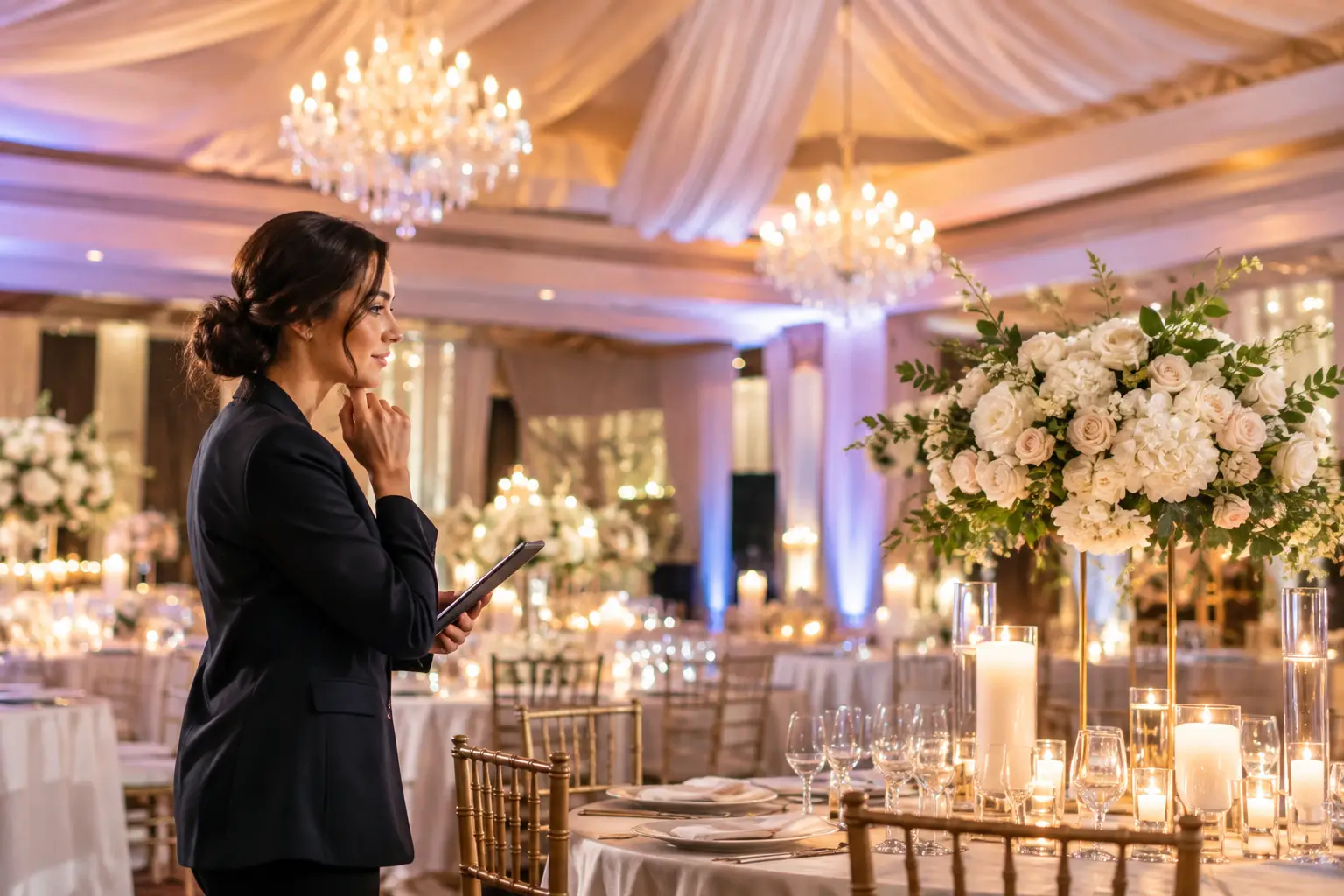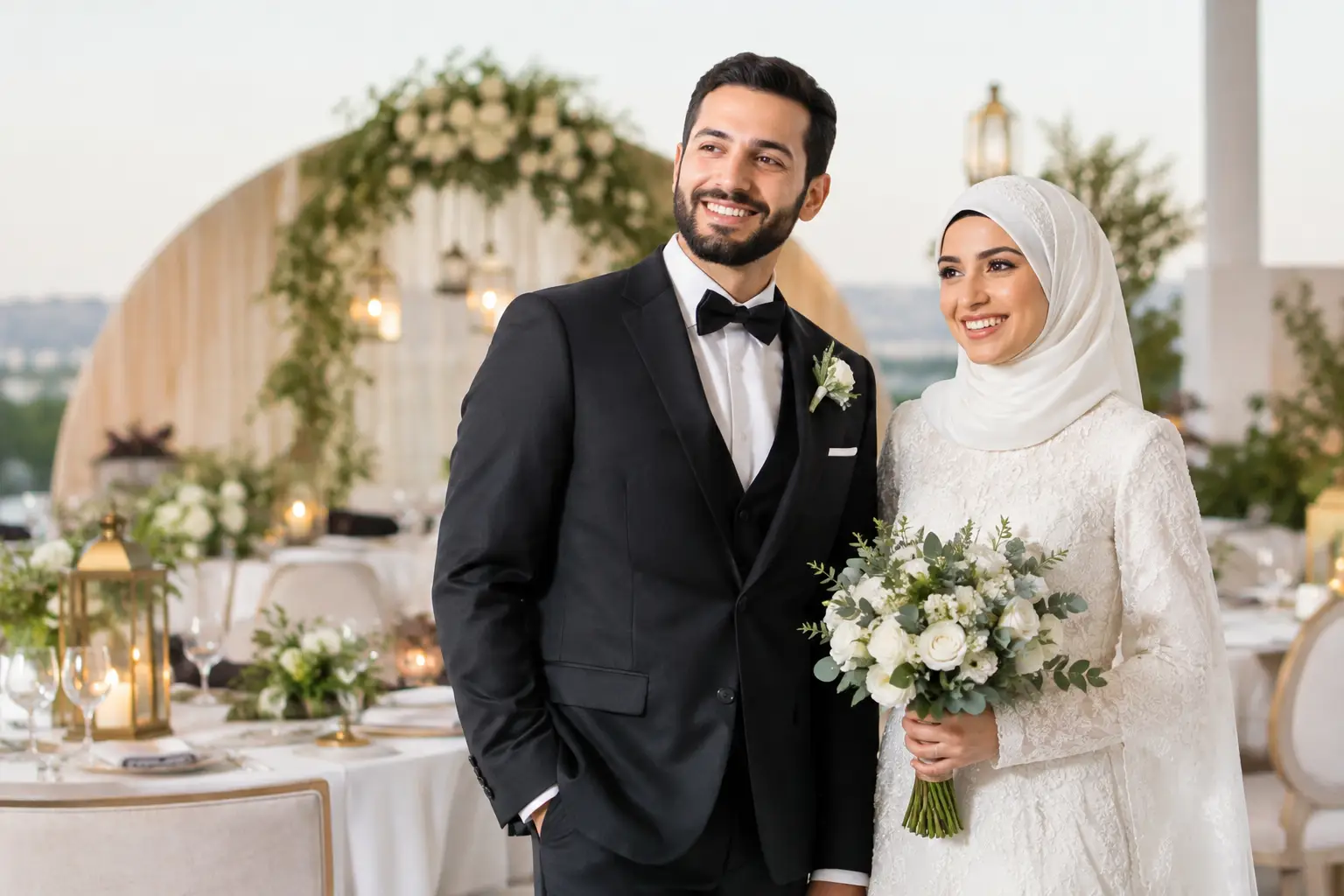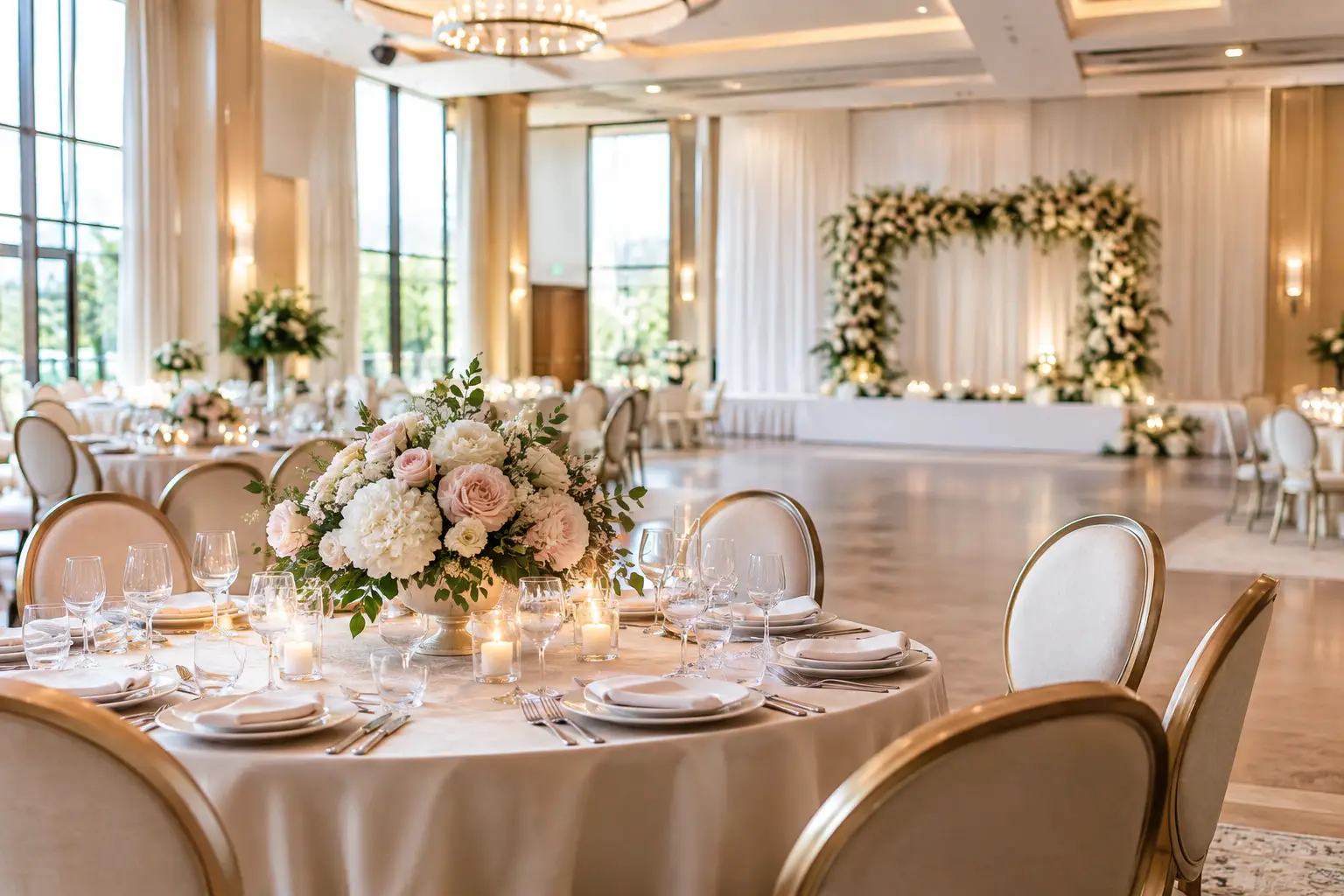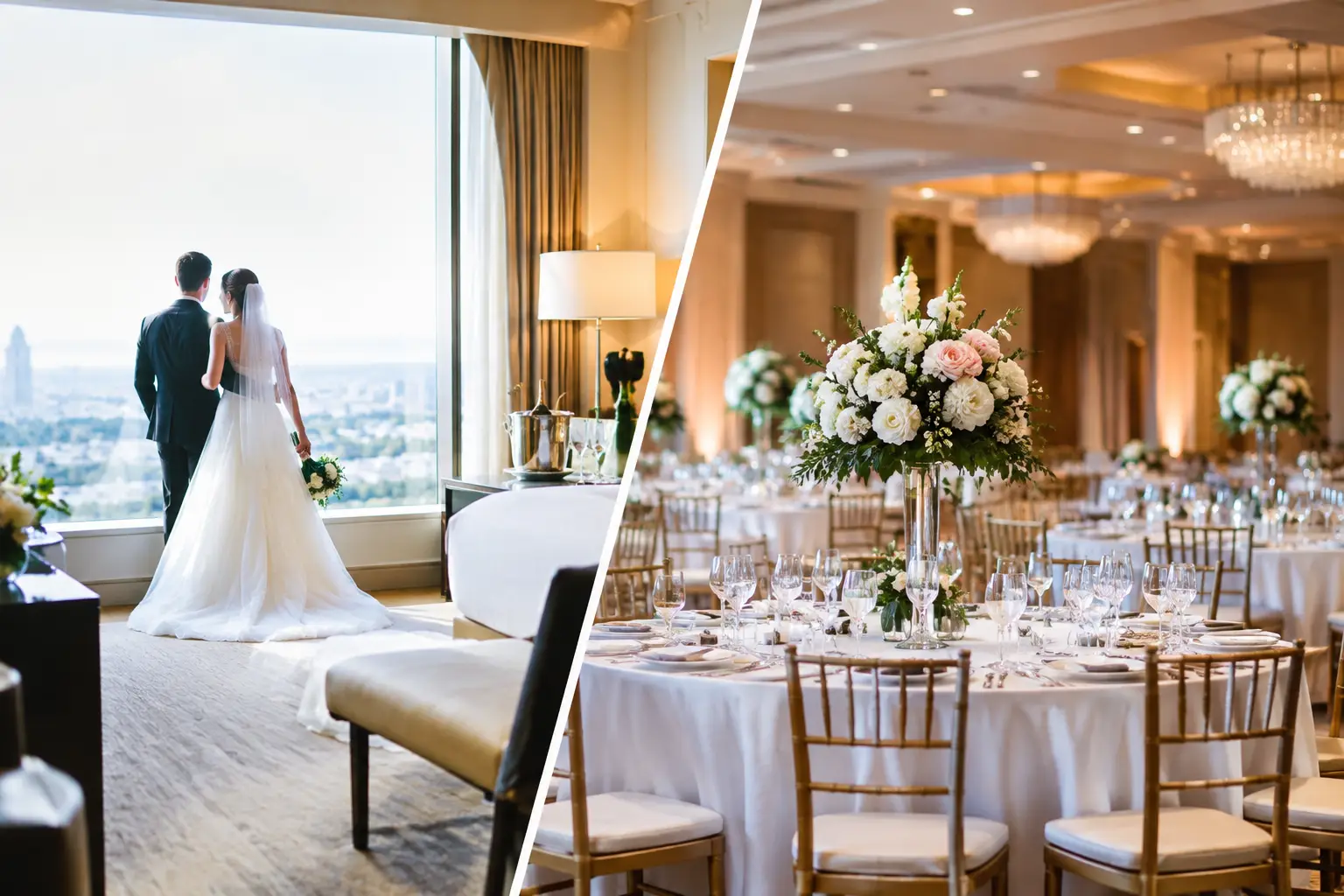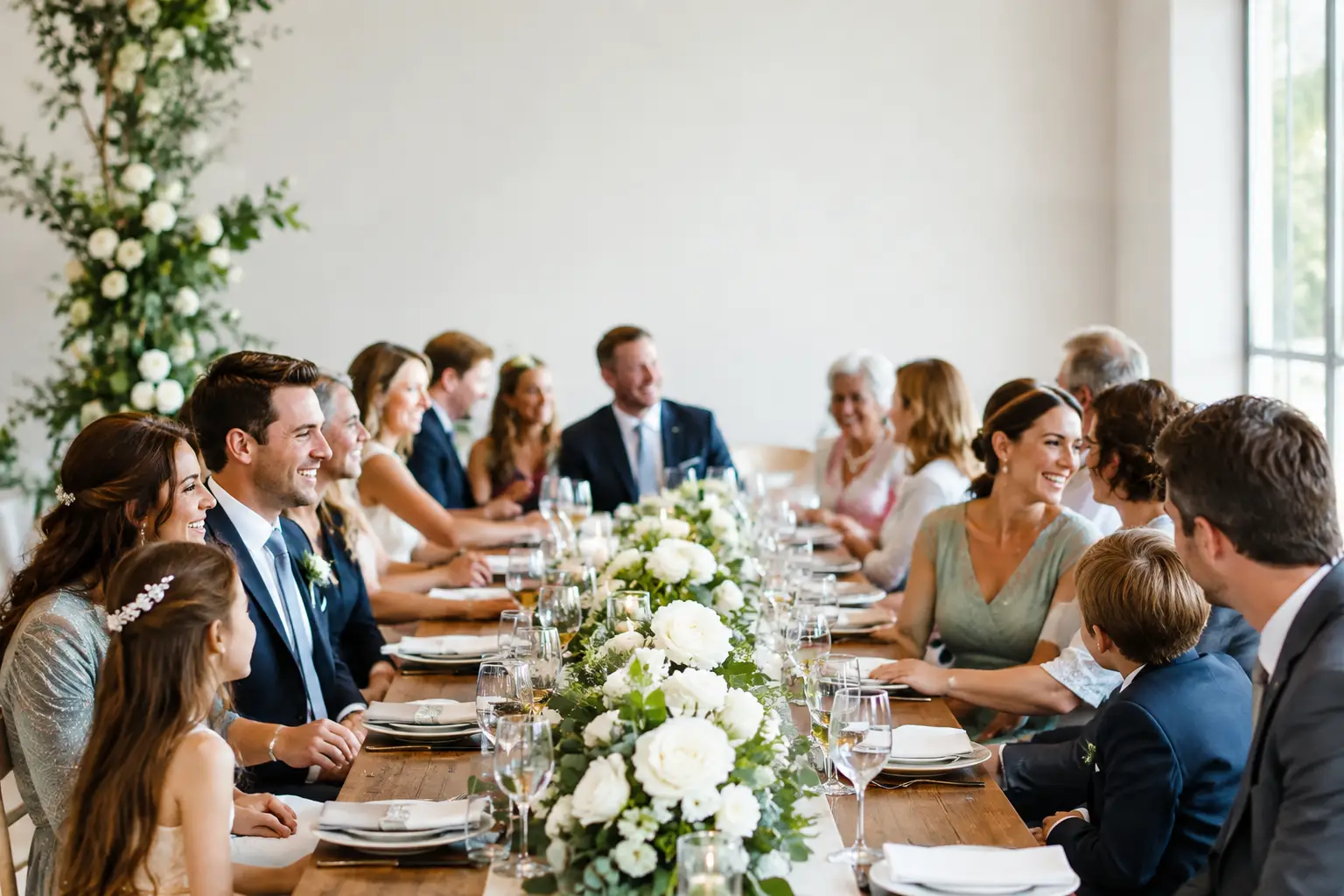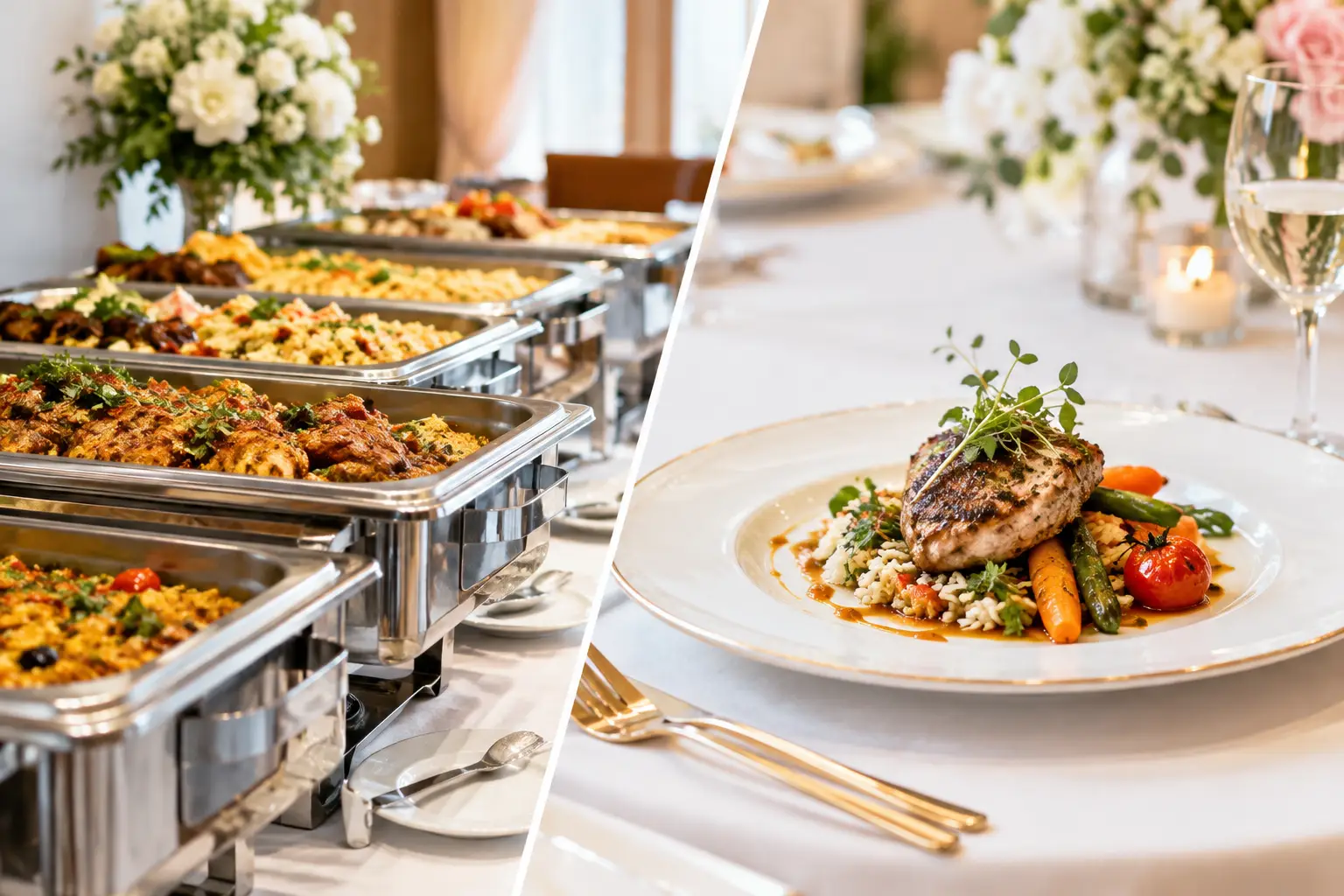
The moment you exchange vows should not feel like an administrative appointment before the ‘real’ celebration begins. The right setting turns the legal ceremony into part of the masterpiece: a beautifully dressed room, your closest people seated comfortably, and a smooth transition into the reception that follows. This civil ceremony venue guide is designed for London and Essex couples who want that sense of occasion without losing sight of the practical details.

What makes a civil ceremony venue right for you?

A civil ceremony venue must offer more than an attractive backdrop. It needs to support the legal part of the day with confidence, while giving your family and guests the comfort, space and hospitality expected from a premium wedding celebration.

Begin with the atmosphere you want when you make your entrance. Some couples imagine an intimate ceremony with a smaller guest count, followed by a grand evening reception. Others want every guest present from the first vow to the final dance. Neither approach is more meaningful, but it will affect the room layout, timings, staffing and package you choose.

For large South Asian, Muslim, British or Afro-Caribbean weddings, it is particularly helpful to select a venue that understands how a civil ceremony can sit naturally alongside cultural traditions. Your legal marriage may take place first, with a nikah, blessing, family entrance, speeches or other significant moments arranged later in the day. A venue team with multicultural wedding experience can protect the flow of each occasion rather than treating them as separate events competing for time.

Confirm the legal arrangements before falling in love with the room

A beautiful venue is only suitable for a civil ceremony if the legal arrangements are in place. In England and Wales, civil ceremonies are conducted by registrars, and the ceremony must take place at an approved premises or register office. Availability differs between local authorities, particularly on popular weekend dates.

Ask early whether the venue is licensed for civil ceremonies, which rooms are approved, and how the registrar booking works. In many cases, you will need to book the venue and registrar separately. Do not assume a preferred date is secure until both are confirmed.

It is also wise to discuss the ceremony wording, music and format with your registrar. Civil ceremonies have rules around religious content. If faith is central to your day, your venue should be able to help you plan a respectful timetable for a separate religious or cultural ceremony, where appropriate, without compromising the legal proceedings or the guest experience.

The civil ceremony venue guide to guest comfort

Luxury is felt in the details guests rarely mention directly. They will remember whether arriving was straightforward, whether older relatives were comfortable, whether children had room to settle, and whether the transition from ceremony to dining felt effortless.

Location matters, especially when guests are travelling from across East London, Essex and the wider capital. Look beyond the postcode. Consider nearby transport connections, clear driving routes, parking capacity and whether guests can be welcomed without queueing outside. For celebrations with a substantial guest list, generous on-site parking is not simply convenient. It is a thoughtful part of your hospitality.

Accessibility should receive the same careful attention. Ask about step-free access, accessible facilities, lift access where needed and the distance between the ceremony room, reception space and toilets. A beautifully planned wedding allows grandparents, young children and every guest to feel included from the beginning.

Choose a space that changes with the day

The strongest civil ceremony venues do not make you choose between formality and celebration. They provide a setting that can evolve. Your ceremony room should feel focused and elegant for the vows, then allow guests to move naturally into a drinks reception, photographs and dining while the room is refreshed if required.

Ask to see how the space looks in real wedding layouts, not only when empty. Chair placement, aisle width, floral displays, registrar tables and staging all affect the feeling of the room. A grand suite can still feel personal with considered seating, while a smaller room can become uncomfortable if every chair is squeezed into place.

Natural light is valuable for daytime photographs, but lighting after sunset is equally important. Discuss whether the venue can create a soft, romantic ceremony atmosphere and then shift into a more dramatic look for your entrance, first dance or evening celebration. This is where professional décor and venue coordination make a visible difference.

Catering should suit the celebration, not interrupt it

For many families, food is one of the clearest expressions of welcome. If you are planning a halal wedding, ask detailed questions rather than relying on a broad assurance. Confirm the catering approach, menu tasting process, service style and the team’s familiarity with Pakistani, Bangladeshi or other cuisine that matters to your family.

Authentic halal dining can be presented with the refinement expected at a luxury wedding, whether you prefer an elegant served meal, a generous buffet or live food stations. The decision depends on your guest count, timings and the style of celebration. A plated meal may suit a formal, unhurried reception, while buffet or station service can work beautifully for a lively, high-capacity event when managed by an experienced hospitality team.

It is worth asking how the venue accommodates vegetarian, vegan, allergy-aware and children’s meals. These details should not become a last-minute worry for the couple or their parents. A capable events team will gather dietary requirements early and build them into the service plan.

At The Grove Banqueting, couples can choose the reassurance of coordinated halal catering, décor and hospitality or retain greater control through dry hire and self-catering flexibility. That choice matters. An all-inclusive package can reduce the number of decisions and suppliers to manage, while dry hire may be the better fit if a family has a trusted caterer, decorator or cultural specialist they are determined to include.

Ask how the venue will protect your timetable

A civil ceremony day has more moving parts than it first appears. There is the registrar’s arrival, guest seating, the ceremony itself, family photographs, room changes, prayer considerations, catering preparation, speeches and entertainment. Even a modest delay can affect the rest of the day.

During a viewing, ask who will be your point of contact and whether a dedicated coordinator will be present on the day. You should understand exactly who manages suppliers, guides guests, communicates with the registrar and keeps the schedule on track. The answer should be specific, not simply a promise that someone will be available.

Share the traditions that are important to you from the outset. Perhaps your day includes a nikah, a tea ceremony, a traditional entrance, a cake ceremony, separate family photography or a late-evening dancefloor reveal. These are not extras to be fitted into spare minutes. They are part of your wedding story, and the venue should help build a realistic running order around them.

Look closely at what is included

Venue quotes can look similar until you examine what sits behind the headline figure. Ask whether the price includes tables, chairs, linen, crockery, staffing, security, cleaning, lighting, stage décor, a bridal room and use of all relevant spaces. Clarify the permitted finishing time, access times for suppliers and any charges for extended hours.

This is also the right time to discuss décor. A statement floral backdrop, aisle styling, centrepieces and a personalised stage can transform a room, but they need to be designed around the venue rather than added as an afterthought. Established décor partners often understand the room dimensions, ceiling height and practical setup requirements, which can make the process more efficient and the final result more polished.

Make the viewing feel like a planning meeting

When you visit a potential venue, picture your actual day rather than an idealised photograph. Walk the route your guests will take from the car park to the ceremony room. Stand where you will exchange vows. Consider where your photographer will work, where elderly relatives can sit, and where family groups can gather without blocking service.

Bring a rough guest count and an honest outline of your priorities. If food is non-negotiable, ask to discuss menus. If your parents need reassurance about logistics, invite them to the viewing. If you have a particular cultural or faith-sensitive requirement, raise it directly. The right venue will meet those conversations with experience and care, not uncertainty.

Your civil ceremony deserves the same attention as every other part of the wedding. Choose a venue where the legal ‘I do’ feels beautifully personal, where your traditions have room to shine, and where you can walk into the celebration knowing every detail is in capable hands.
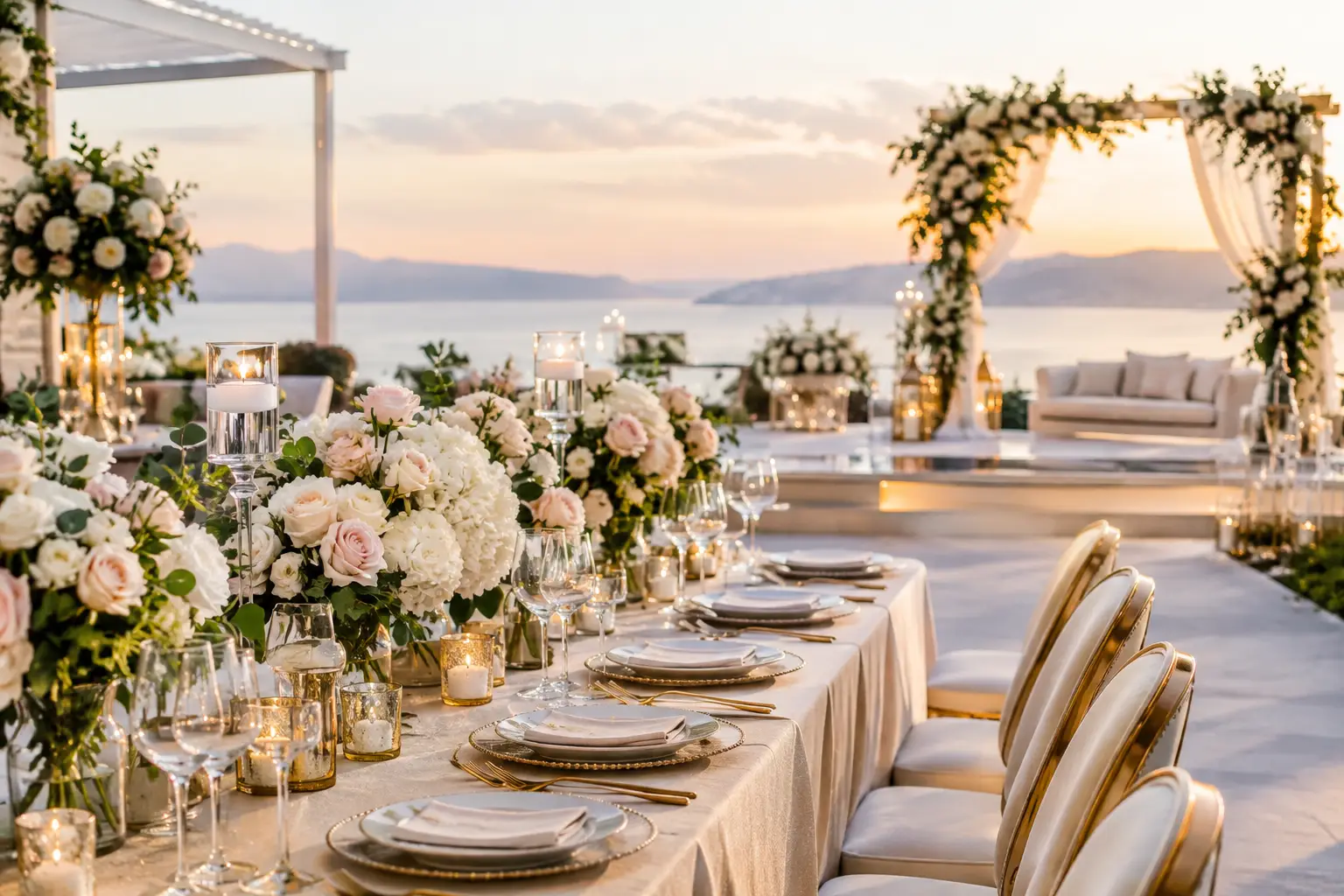
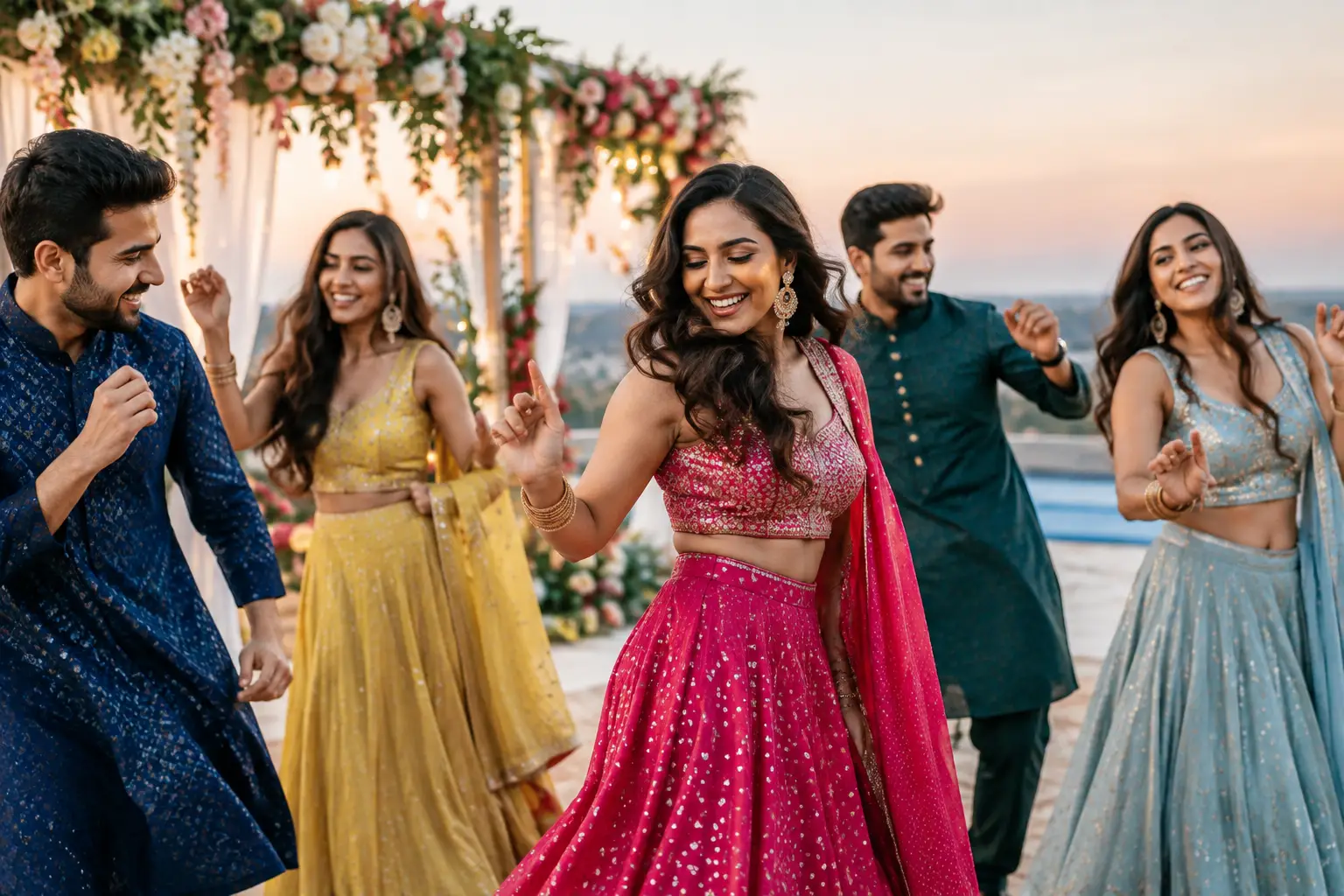
A luxury reception is not defined by one extravagant feature. It is the feeling guests have from the moment they arrive: warmly welcomed, beautifully looked after and completely immersed in your celebration. The best luxury wedding reception ideas bring together spectacular styling, generous hospitality and thoughtful details that honour who you are as a couple.

For couples planning a large, culturally rich celebration in London or Essex, the finest receptions balance visual drama with careful organisation. Every choice, from the entrance to the final dance, should feel intentional.

Best luxury wedding reception ideas for a memorable celebration

1. Create an arrival that sets the tone

The first few minutes shape the whole evening. Dress your entrance with floral arrangements, lanterns, candlelight or a statement welcome sign that reflects your wedding palette. A formally dressed host, refreshing welcome drinks and gentle background music add polish without delaying guests as they arrive.

For South Asian, Muslim and Afro-Caribbean celebrations, this is also a wonderful opportunity to introduce meaningful touches through music, colour or traditional welcome rituals. The aim is not simply to make an entrance look impressive, but to make every guest feel expected and valued.

2. Choose a room design with one clear focal point

A reception can lose impact when every surface competes for attention. Begin with a focal point: perhaps a floral stage, a sculptural backdrop, a dramatic ceiling installation or an elevated sweetheart table. Then allow the rest of the room to support it through coordinated linens, lighting and table details.

Tall centrepieces create grandeur in spacious ballrooms, while low, abundant arrangements encourage conversation across the table. The right choice depends on ceiling height, table layout and whether guests need a clear view of speeches, performances or a stage.

3. Make your stage a true centrepiece

Your stage will feature in countless photographs and will naturally draw guests throughout the evening. Consider layered draping, fresh flowers, textured panels, soft illumination and elegant seating that suits your overall design rather than following a passing trend.

For a nikah, walima or civil wedding reception, the stage can be adapted to feel traditional, contemporary or beautifully blended. A well-designed backdrop carries the room visually, especially in a larger celebration where it needs to remain striking from every table.

4. Use lighting to change the mood throughout the evening

Lighting is one of the most effective ways to make a venue feel luxurious. Soft warm lighting flatters guests and enhances florals, while pin spots can draw attention to tables, cakes and the stage. Later, intelligent dancefloor lighting can transform the atmosphere without requiring a complete room reset.

Avoid relying on one bright overhead setting all night. A reception should evolve: romantic for dinner, focused during speeches and energetic once the dancing begins.

5. Serve a menu guests will remember

Exceptional food is a hallmark of genuine hospitality. Rather than selecting dishes solely because they appear fashionable, build a menu around flavours your guests will genuinely enjoy. A generous halal banquet, expertly prepared Pakistani or Bangladeshi cuisine, refined British favourites or a carefully considered fusion menu can all feel suitably luxurious when quality and service are excellent.

Consider the flow of the meal too. Canapés or welcome refreshments prevent hunger during photographs, while a late-night food station gives the party renewed energy. Dietary requirements should be handled with the same care as the main menu, never as an afterthought.

6. Turn dining into an experience

Luxury often lies in how something is presented. Beautiful charger plates, polished glassware, crisp napkins and professionally styled tables elevate even the most familiar menu. For a more theatrical element, live stations can offer freshly prepared dishes and invite guests to engage with the food.

This approach works particularly well for large family weddings, where variety matters. The practical consideration is space: live catering needs a layout that keeps queues discreet and allows service teams to move efficiently.

7. Design a bar and drinks service around your guests

A personalised mocktail bar, elegant tea station or specialist coffee service can be just as memorable as a traditional bar. For a dry wedding, these details ensure the drinks offering still feels celebratory and abundant.

Signature drinks named after the couple are a charming touch, but make sure there are familiar options for older relatives, children and guests who prefer something simple. True luxury feels inclusive, never overly curated for photographs alone.

8. Add an entertainment moment between dinner and dancing

The transition after dinner can either lift the evening or allow energy to drift. A live vocalist, percussionist, saxophonist, cultural dance performance or beautifully choreographed first dance gives guests a reason to refocus their attention.

Choose entertainment that reflects your guest list. A performance should complement the reception rather than make the schedule feel crowded. In a multi-cultural celebration, music is often one of the most meaningful ways to bring different families together.

9. Give the dancefloor a statement feature

A monogrammed dancefloor, dancing on clouds effect, sparklers where permitted or a floral surround can make the party portion of the evening feel distinct from dinner. A good DJ will read the room, accommodate family favourites and manage announcements with confidence.

Do not underestimate the importance of timing. Opening the dancefloor too early can leave it looking empty, while holding it until after a key performance or dessert reveal builds anticipation.

10. Build a thoughtful seating plan

A beautifully styled room is only as enjoyable as the experience guests have within it. Seat elderly relatives away from loudspeakers, allow families with young children easy access to exits and facilities, and make sure VIP tables have a clear view of the stage.

For substantial guest numbers, clear table names and a welcoming seating display avoid confusion at the door. This is a simple operational detail, but it protects the graceful, unhurried feeling you want from the start.

11. Create a private moment for the couple

A busy reception can pass in a blur. Arrange ten quiet minutes after your entrance, between courses or before the evening party begins. It gives you time to take in the room, share a drink and appreciate the people who have gathered for you.

This is especially valuable when you are greeting a large number of guests or observing several wedding traditions in one day. Luxury should feel personal, not exhausting.

12. Plan a cake or dessert reveal

A grand wedding cake remains timeless, but dessert can also become a visual feature through a patisserie table, mithai display or individually presented sweet course. Use lighting and a dedicated display area so it feels like a deliberate moment rather than an item brought out quietly after dinner.

If your menu is already generous, a smaller statement cake alongside selected desserts may be wiser than an excessive display. The most elegant choices are those guests can enjoy rather than simply admire.

13. Make guest comfort part of the design

Luxury is felt in the details guests may not mention aloud: accessible facilities, convenient parking, attentive staff, comfortable temperatures and enough space to move between tables. A dedicated children’s area can also be a considerate addition for family-led celebrations.

When viewing venues, ask how arrival, coat storage, prayer requirements, supplier access and departures are managed. These practical elements determine whether the evening feels effortless for your families.

14. Capture more than posed photographs

A refined photo booth, editorial-style portrait corner or roaming content creator can offer guests a fun keepsake without disrupting the event. For the couple, schedule a short portrait session in the room before guests enter, when every styled detail is at its freshest.

Speak with your photographer about important family groupings and cultural moments in advance. That preparation allows them to capture emotion naturally instead of searching for key people at the last minute.

15. Work with a team that understands the occasion

The most impressive ideas need calm, experienced delivery. An all-inclusive venue can reduce the pressure of coordinating caterers, decorators, planners and hospitality teams separately, while dry hire may suit couples with established suppliers or a highly specific vision.

At The Grove Banqueting, couples can shape a reception around their traditions while benefiting from experienced support, authentic halal catering and elegant event planning. The best route depends on how much flexibility you need and how much coordination you wish to place in one trusted team’s hands.

Your reception should feel like a masterpiece, but it should also allow you to be fully present in it. Choose the details that carry meaning for your families, invest in guest comfort and let experienced professionals handle the pace behind the scenes. That is how a beautiful room becomes an unforgettable celebration.

A memorable sangeet is never simply a party before the wedding. It is the evening when families meet properly, cousins take over the dancefloor, treasured songs bring generations together, and the couple’s story is celebrated with real warmth. This sangeet planning guide is designed to help you shape that energy into an occasion that feels polished, personal and effortless for every guest.

The most successful celebrations balance high-spirited performance with thoughtful hospitality. From a grand entrance and a beautifully dressed stage to authentic halal dining, family-friendly timings and space for prayer, the details should support the joy rather than compete with it.

Start With the Feeling You Want to Create

Before choosing playlists, performers or décor, decide how you want the evening to feel. Some couples want a full-scale show with choreographed family dances, a DJ, live dhol players and a dramatic couple entrance. Others prefer a refined evening of dinner, speeches and a few meaningful performances, allowing guests more time to mingle.

Neither approach is more special. The right choice depends on your families, your guest count and the wider wedding schedule. If the nikah, civil ceremony or reception follows early the next day, an elegant programme with a clear finish time may serve everyone better than a celebration that runs late. If the sangeet is your principal gathering before a smaller wedding day, it may deserve a larger production and longer dancefloor set.

Agree on three priorities at the outset. They might be outstanding food, a show-stopping stage and plenty of time for dancing. These decisions make every later choice clearer and prevent the occasion becoming overcrowded with ideas.

Choose a Venue That Can Carry the Celebration

A sangeet needs more than a beautiful room. It needs a venue with enough capacity for dining, performances, dancing and family movement without making the evening feel disjointed. A large guest list can quickly become uncomfortable if the stage blocks sightlines, the dancefloor is too small or tables are set so tightly that guests cannot move freely.

When viewing venues, ask to see the room set for an event similar in scale to yours. Consider where the couple will enter, where performers can wait before their turn, how guests will reach the dining area and whether older relatives can comfortably access their tables. Convenient parking, step-free access and well-managed arrival areas matter greatly when several generations are attending.

The stage is often the visual heart of the room, but it should not overwhelm it. A raised stage provides a natural focus for dances, speeches and photographs, while a carefully planned backdrop can carry your chosen colour palette across the room. For a more contemporary celebration, couples may favour sculptural florals, soft draping and considered lighting. For a traditional feel, rich fabrics, floral garlands and ornate seating can create a more ceremonial setting.

A venue team with experience of South Asian and multicultural weddings will understand that the room may need to change character during the evening. It must feel elegant for guest arrivals and dining, then vibrant and open for performances and dancing.

Build a Running Order With Breathing Space

A polished sangeet should feel lively, not rushed. The common mistake is planning too many performances back to back, leaving no time for late arrivals, food service, outfit changes or spontaneous family moments. A clear running order protects the atmosphere while giving the hosts confidence that the evening is moving forward.

Begin with a welcoming arrival period. This is the ideal time for photographs, drinks or mocktails, and background music while guests settle. If you are planning a formal couple entrance, allow enough time for key family members to be in place before it begins.

After the entrance, a brief welcome or opening performance creates momentum. Then alternate high-energy moments with pauses: a dance set, dinner service, speeches or a video montage, followed by more performances. This pacing gives caterers room to serve efficiently and prevents guests from missing important dances while away from their tables.

Keep the final hour flexible. Once formal performances are complete, invite everyone to the dancefloor with a DJ set, dhol performance or a favourite family song. It is often the unplanned dancing, rather than the rehearsed routine, that becomes the memory people talk about for years.

Give Every Performer a Simple Brief

Create one shared schedule showing arrival times, rehearsal slots, performance order and the person responsible for cueing each group. Your DJ, master of ceremonies, venue coordinator and lead family organiser should all have the same version.

Ask dance groups to provide their tracks in advance, clearly labelled and in the correct order. Keep a backup copy with the organiser as well. This small piece of preparation avoids the last-minute search for a phone, cable or missing audio file just as the room is waiting.

Plan Food as Part of the Experience

At a sangeet, food is a central expression of hospitality. Guests may remember the dance performances, but they will also remember whether they were welcomed with generous, beautifully presented food that reflected the family’s tastes.

For larger celebrations, a buffet can offer variety and keep service flowing, particularly where guests enjoy returning for different dishes. A plated meal may feel more formal and can work beautifully for a tightly timed programme, although it requires careful coordination around performances. There is also a middle ground: elegant sharing platters or live food stations that bring theatre to the dining experience while giving guests choice.

For Muslim families, confirm halal credentials early and discuss menu details openly. Authentic Pakistani and Bangladeshi cuisine can bring depth, familiarity and genuine warmth to the occasion, whether you choose fragrant biryanis, grilled kebabs, rich curries or a carefully curated dessert table. At the same time, make sure vegetarian, vegan and allergy-conscious guests are catered for with the same care as the main menu.

Consider the timing of prayer when planning service and performances. A quiet, appropriate space and a programme that does not force guests to miss key moments are thoughtful touches that communicate real respect.

Make Décor Work Harder Than One Photograph

A strong sangeet design does more than create a beautiful backdrop for the couple. It sets the mood from the moment guests arrive and ensures every area, from the welcome table to the dancefloor, feels part of one celebration.

Choose a focused palette rather than trying to include every colour you love. Jewel tones can deliver drama and tradition, while ivory, blush, champagne and metallic accents create softer luxury. Couples often achieve the most elegant result by selecting one dominant colour, one supporting shade and one metallic finish, then repeating them through florals, linen, stationery and stage styling.

Lighting deserves early attention. Warm uplighting makes a banqueting suite feel inviting during dinner, while intelligent dancefloor lighting can transform the room once the party begins. Ensure photographers and videographers have sufficient light for entrances and performances without the room feeling harsh or overexposed.

If several events are taking place across a wedding weekend, ask whether elements of the décor can be adapted rather than recreated. This can be more cost-effective, but only if the design still feels fresh and appropriate for each occasion.

Protect the Couple’s Enjoyment

It is easy for the bride and groom to spend the entire evening greeting guests, checking timings and answering supplier questions. Put trusted people in charge of those responsibilities so you can be present for your own celebration.

Nominate one family representative for guest queries and one decision-maker for suppliers. Give them the final schedule, key contact numbers and authority to make small decisions without interrupting you. A venue coordinator can then manage the practical rhythm of the event, from catering transitions to performance cues.

Think practically about your own comfort as well. If you are changing outfits, schedule this between programme sections rather than during an important dance. Keep water and light refreshments available in a private area, particularly if you have been taking photographs before guests arrive. A beautiful evening is far easier to enjoy when you are not trying to solve logistics in formalwear.

A Sangeet Planning Guide for Every Family

Tradition should be honoured, but it does not need to be performed in one fixed way. A sangeet can bring together Punjabi, Gujarati, Bengali, Pakistani, Muslim, British and Afro-Caribbean influences with confidence when the choices feel meaningful to the couple. The aim is not to include every possible custom. It is to create a celebration where both families recognise themselves in the music, food, welcome and warmth of the room.

At The Grove Banqueting, culturally informed planning and elegant event delivery can bring those moving parts together in one considered setting, from halal catering and customised décor to the practical support needed for a large family celebration.

The finest sangeets leave guests feeling that every detail was generous, joyful and entirely natural. Give the evening a clear plan, then leave room for the laughter, dancing and family pride that no timetable can manufacture.

The moment your guests enter the room, lighting tells them what kind of celebration awaits. When you choose wedding lighting with care, even the finest florals, table settings and stage décor gain a new level of depth, warmth and drama. For a grand reception, it is not simply a finishing touch. It is the element that brings every carefully chosen detail together.

For couples planning a large Asian, Muslim, British or Afro-Caribbean wedding, lighting also needs to work hard across a full day of traditions, photographs, dining, speeches and dancing. The right scheme should feel luxurious on arrival, flattering in photographs and practical enough for guests of every generation to enjoy comfortably.

Choose Wedding Lighting Around the Feeling You Want

Begin with the atmosphere, rather than the equipment. A room filled with cool white light can look crisp and contemporary, but it may not create the softness many couples want for an evening celebration. Warm, golden tones tend to flatter skin tones, enhance rich fabrics and give a reception the welcoming glow associated with exceptional hospitality.

Think about how you would like the room to feel during each chapter of the day. A graceful entrance may call for a well-lit walkway and a statement backdrop. The wedding breakfast needs enough light for guests to see their meal, greet one another and enjoy the details on the table. Later, the dance floor may benefit from deeper colour, movement and a little more theatre.

This does not mean every moment needs a different lighting effect. A considered base of warm ambient light, complemented by feature lighting at the stage, dance floor and key décor areas, often feels more elegant than an overly busy display. Luxury is usually found in restraint and precision.

Let the Venue Lead the Design

Every venue has its own proportions, finishes and natural light, so a lighting plan should be created for the room rather than copied from a photograph online. High ceilings can carry chandeliers, draping or suspended installations beautifully, while a more intimate room may need carefully placed uplighters to create height and dimension without making the space feel crowded.

Visit your venue at a similar time of day to your reception where possible. Notice where daylight enters, whether existing ceiling fittings are visible, and how the room changes after sunset. Large windows can make an afternoon ceremony feel bright and airy, but as evening arrives, the transition needs to be managed so the room never feels abruptly dark.

The colour and finish of the space matter too. Neutral walls are a versatile canvas for soft ivory, blush, champagne and gold tones. Strongly coloured lighting can transform a room for a lively party, but it may alter the appearance of cream florals, white bridalwear or carefully selected outfits. Ask to see lighting tests against your chosen linen, stage design and backdrop materials before committing.

At The Grove Banqueting, this conversation can be part of the wider event design, allowing décor, catering presentation and lighting to feel like one coherent masterpiece rather than separate decisions made at the last minute.

Prioritise Faces, Photography and Video

Your photographs will preserve the emotion of the day long after the flowers have been taken down. Yet lighting that looks striking to the eye is not always the most flattering on camera. Very dark rooms, intensely coloured uplighting and harsh spotlights can create unflattering shadows or cast blue, green and red tones across faces.

A skilled lighting supplier will work with your photographer and videographer, particularly around the ceremony area, top table, stage and first dance. These are the spaces where expressions matter most. Gentle front lighting and soft, warm ambient illumination can preserve the romance of the setting while helping your photographer capture clear, natural images.

For couples wearing detailed lehengas, sherwanis, embroidered gowns, traditional jewellery or richly coloured formalwear, this consideration becomes even more valuable. The right lighting should reveal sparkle, texture and craftsmanship without bleaching out delicate details. If you are including a dramatic entrance or performance, ask for a rehearsal or at least a walk-through of the lighting cues beforehand.

Create Focal Points Without Lighting Every Corner

A large reception room can feel spectacular without every surface competing for attention. Decide which features deserve to be highlighted. Usually, these include the couple’s stage or sweetheart table, ceremony backdrop, cake display, entrance, dance floor and perhaps a statement floral installation.

Uplighters around the perimeter can add colour and depth to the room, while pin spotting can draw the eye to centrepieces and make glassware shimmer. A soft wash of light on draping gives it movement and richness. For a mandap, nikah setting or cultural stage, layered lighting can define the space beautifully while keeping it respectful and serene.

It is worth being selective with personalised monograms, projected patterns and moving lights. They can bring real personality to a party, especially later in the evening, but may feel out of place during a formal ceremony or refined meal. One well-positioned monogram can feel polished. Several competing projections can distract from the people and décor that should remain at the heart of the room.

Match the Lighting to Your Traditions and Timeline

Multicultural weddings often include several meaningful moments, each with a different energy. A nikah may require calm, clear lighting that supports the significance of the ceremony and allows family members to see and participate with ease. A grand couple entrance, cake cutting or first dance may invite a more theatrical transition. Later, a DJ set, live band or cultural performance can carry bolder colours and movement.

Discuss the full running order with your venue coordinator and lighting team early. They need to understand not only when each event happens, but where. If family speeches take place at the stage, make sure speakers are visible. If you are changing outfits, consider how the new colours will look under the evening lighting. If elders will remain seated through a lively dance set, retain enough ambient light around dining tables for their comfort and safety.

For faith-sensitive celebrations, the plan should also respect the tone of each part of the day. There is no single formula. The best result is one that honours your traditions while still feeling personal, celebratory and unmistakably yours.

Balance Colour, Comfort and Practicality

Colour is powerful, but it should be used with intention. Warm white and soft gold are timeless choices for dining and formal moments. Blush, lavender, deep blue or emerald can complement a colour palette when used sparingly. Rich jewel tones can look magnificent at a winter reception, while lighter tones may suit a spring or summer celebration.

Avoid relying on highly saturated colour for the entire evening. It can make food less appealing, strain the eye over a long reception and make guests look unlike themselves in photographs. A better approach is to keep the main room flattering and neutral, then introduce stronger colour around the dance floor or during selected high-energy moments.

Practical details deserve the same attention as aesthetics. Walkways, steps, exits and service areas must remain safely lit. Guests need clear routes to prayer spaces, washrooms and seating areas, while catering teams need suitable working light to deliver polished service. The most successful lighting is felt more than noticed because it makes every part of the occasion easy to enjoy.

Ask the Right Questions Before You Book

Before confirming a lighting package, make sure the supplier, planner and venue are aligned on the essentials. Four questions can prevent costly surprises:

  • What is included in the quote, including installation, programming, technician time and removal?
  • Which areas will be lit for the ceremony, dining, speeches, stage and dance floor?
  • Can the colours and brightness change during the reception without disrupting guests or photography?
  • Does the venue have any restrictions relating to rigging, candles, power access, haze effects or installation times?

Also ask who will operate the lighting on the day. Automated settings can work for a straightforward event, but a celebration with multiple entrances, performances and cultural moments may benefit from an experienced technician who can respond in real time.

Invest Where Guests Will Feel the Difference

If your budget requires choices, prioritise ambient room lighting, the main stage or backdrop, and lighting that supports photography. These elements influence the full guest experience and appear in the majority of your images. Decorative extras can then be added where they will have the greatest visual impact.

A trusted venue team can help you avoid spending on effects that will be lost in the scale of the room or clash with your existing décor. That guidance is particularly valuable for large guest lists, where a beautiful visual concept must also function smoothly from the first arrival to the final farewell.

When you stand in your reception room before the guests arrive, the lighting should make you feel that the space has been prepared specifically for your story. Choose a design that lets your traditions shine, your loved ones feel welcome and every joyful photograph reflect the elegance of the celebration you imagined.

A memorable wedding reception is no longer defined by a single grand entrance or an impressive ballroom alone. The halal reception trends 2026 couples are embracing place equal value on atmosphere, authenticity and thoughtful guest care. For families planning substantial celebrations across London and Essex, the aim is clear: a reception that feels beautifully personal, impeccably hosted and effortless from the first welcome to the final farewell.

Halal Reception Trends 2026: Luxury With Meaning

The strongest shift for 2026 is towards celebrations that look refined without feeling generic. Couples want the drama of a luxury occasion, but they also want every part of the day to reflect their faith, heritage and relationship. That may mean a nikah that is given the same visual importance as the evening reception, a carefully considered prayer space, or a menu that celebrates family favourites with restaurant-quality presentation.

This is not about following a theme for the sake of it. It is about creating a coherent experience. When the décor, food, service and schedule work together, guests feel cared for and the couple can remain present for the moments that matter most.

For larger South Asian Muslim weddings, this often means balancing the expectations of two families while allowing the couple’s own style to come through. A contemporary floral design can sit beautifully alongside traditional stage details. A formal seated meal can be followed by an energetic celebration with music that reflects the family’s roots. Perfection lies in making these elements feel intentional rather than competing.

Elevated Halal Dining Takes Centre Stage

Food remains one of the most talked-about elements of any reception, and in 2026, couples are treating halal catering as a defining feature rather than a practical requirement. Guests increasingly expect authentic flavour, generous hospitality and elegant presentation in equal measure.

Pakistani and Bangladeshi dishes continue to hold a treasured place at the heart of many wedding menus, particularly when they are prepared with care and served at their best. Couples are pairing familiar favourites with more polished finishing touches: thoughtfully presented starters, live cooking moments, curated dessert displays and late-evening comfort food that keeps the dancefloor energy high.

The most successful menus also consider the full guest list. A reception may include elders who value traditional dishes, younger guests who enjoy contemporary presentation, and friends travelling from different cultural backgrounds. The answer is not to make every dish unfamiliar. It is to offer a confident menu with range, ensuring there is something comforting, celebratory and memorable for everyone at the table.

The guest experience matters as much as the menu

A beautiful menu can lose its impact if service feels rushed or uncertain. Timed courses, attentive table service and a clear understanding of dietary requirements are becoming essential markers of a premium halal reception. Couples should ask how food will be served, when it will be ready, and how the catering team will manage a high guest count without disrupting speeches, prayer times or key entrances.

There is also a growing preference for menus that feel abundant without creating unnecessary waste. This may mean a well-planned plated meal rather than an oversized buffet, or a carefully managed selection of live stations. The right approach depends on the formality of the event, the number of guests and the family’s traditions.

Design Is Becoming More Personal and Layered

White florals, candlelight and soft draping will always have their place, but 2026 receptions are moving beyond one-note styling. Couples are choosing layered designs with warmth, texture and personality. Think sculptural centrepieces, tonal florals, mirrored details, rich fabrics and lighting that evolves as the celebration moves from dinner into the evening.

Colour is returning with confidence. Deep emerald, burgundy, antique gold, muted mauve and soft champagne tones can create a luxurious setting without overwhelming the room. The most elegant schemes tend to use colour with restraint, repeating a chosen palette across stationery, table styling, stage arrangements and cake details.

The stage itself is becoming more purposeful. Rather than simply serving as a backdrop for photographs, it is being designed as a focal point for the couple’s entrance, family moments and formal portraits. A stage should be striking from across the room while still flattering in close-up photography and film.

Lighting changes the entire room

Lighting is one of the most effective ways to create effortless elegance, particularly in a large reception space. Soft lighting during the meal allows guests to appreciate the tablescape and one another. As the evening develops, controlled uplighting, a statement dancefloor or carefully positioned spotlights can transform the atmosphere without requiring an entirely new décor scheme.

Couples should be cautious of overfilling a room with features. A flower wall, LED display, ornate stage, hanging installation and multiple photo areas may each look impressive in isolation, yet together they can make a reception feel crowded. Select one or two hero moments, then let the room breathe.

Faith-Sensitive Planning Becomes More Visible

The best halal receptions make religious considerations feel natural, never like an afterthought. In 2026, couples are prioritising practical arrangements that help guests participate comfortably throughout the day. A private, well-maintained prayer area, a schedule that respects prayer times, and a clear approach to halal food preparation all contribute to the confidence families need.

There is no single format for a Muslim wedding reception. Some couples prefer a more traditional separation of spaces or separate seating arrangements, while others host a mixed celebration with faith-sensitive details woven throughout. Some will include a nikah on site, while others will arrive after a mosque ceremony. The right plan is the one that respects the couple’s beliefs and makes their closest family members feel at ease.

This is where cultural fluency matters. An experienced venue team understands that timings can shift when family photographs run over, when elders need a little more support, or when a significant ritual deserves additional space in the schedule. Calm coordination behind the scenes protects the sense of occasion in front of guests.

Flexible Formats Give Couples More Choice

All-inclusive planning remains highly appealing to couples who want one trusted team to coordinate catering, décor, hospitality and the many moving parts of a wedding. It can reduce the pressure of managing several suppliers and make budgets easier to understand. For busy couples and families, that level of support is often as valuable as the venue itself.

At the same time, dry hire and self-catering flexibility remain important for those with a particular caterer, community supplier or vision already in place. This is especially relevant for multicultural celebrations where families may wish to bring distinct traditions together. Flexibility should not mean compromising on standards. The venue still needs clear supplier guidance, reliable event management and a layout that supports a polished guest experience.

At The Grove Banqueting, the most successful celebrations are often those where couples combine the reassurance of experienced support with the freedom to make the day their own. The result is a reception that feels personal without placing every decision on the couple’s shoulders.

Hospitality Is the New Statement Detail

The finest receptions in 2026 will be remembered for how guests felt. Grand décor makes an immediate impression, but thoughtful hospitality is what lingers. Convenient parking, accessible entrances, clear arrival arrangements, comfortable seating and a team that welcomes elders with genuine care all make a difference.

Couples are also becoming more conscious of pacing. A packed schedule can leave little time for conversation, photographs or enjoying the meal. Build in breathing room after the entrance, allow enough time for family portraits, and avoid placing speeches so late that guests become restless. A well-paced reception feels relaxed even when it is highly organised.

For those planning a celebration in East London, Romford or Essex, it is worth viewing a venue with the full guest journey in mind. Consider the arrival, the waiting areas, the prayer provision, the flow into the dining room and the departure at the end of the evening. These details may seem small during planning, but together they create the calm, cared-for experience every couple hopes to offer.

The most beautiful halal reception is not the one that follows every trend. It is the one that brings together meaningful traditions, exceptional food, considered design and generous hospitality so naturally that every guest feels part of something truly special.

A beautifully timed entrance can set the tone for an entire celebration. Yet when guests are circling unfamiliar roads, arriving late or unsure where to leave their cars, that sense of occasion can quickly feel unsettled. Knowing how to manage wedding guest parking gives your loved ones a calmer welcome and allows your celebration to begin with the effortless elegance it deserves.

For large family weddings in London and Essex, parking is not a small practical detail. It is part of the guest experience. Whether you are welcoming relatives travelling from across the capital, elderly family members, friends arriving in several cars, or suppliers with equipment, a thoughtful plan protects the atmosphere you have worked so hard to create.

Start with an honest picture of guest travel

Before deciding how many parking spaces you need, consider how guests will actually arrive. A guest list of 300 does not necessarily mean 300 cars. Couples, families and friendship groups often travel together, while some guests may use taxis, coaches or public transport. Equally, a celebration with multiple households travelling independently may need considerably more space than expected.

Ask close family members early about the guests they know will be driving. This is especially useful for larger South Asian, Muslim and Afro-Caribbean celebrations, where extended family attendance is central and arrival patterns can be less predictable. It also helps to identify anyone who may need step-free access, extra time to walk from the car park, or a space near the entrance.

Your venue team should be able to explain the practical capacity of its car park, including whether spaces are shared with another event, how late guests can arrive, and where vehicles may be left overnight if needed. Never rely on an advertised number alone. Ask how the spaces are laid out and whether that capacity remains comfortable when supplier vehicles, décor teams and catering deliveries are on site.

How to manage wedding guest parking before the day

The best parking plans are communicated before anyone sets off. Include clear, concise travel information with your invitations, wedding website or final guest message. Guests need the full postcode, the correct entrance, a realistic arrival time and any instructions for using a particular gate or car park area.

Avoid sending a vague note that simply says “parking available”. Instead, tell guests whether parking is on site, whether it is free, whether spaces are limited, and what to do if the main car park is full. If there are local restrictions, permits or controlled parking zones nearby, make these clear well in advance. Nobody wants a wedding memory to include a parking fine.

It is wise to send a reminder three to five days before the event. Keep the tone warm and reassuring, but practical. Mention peak arrival times, particularly if the ceremony, reception and evening party have separate guest groups. A small delay at the entrance can become significant when many cars arrive within the same fifteen-minute window.

Give priority to guests who need it

Reserve the closest spaces for disabled guests, elderly relatives, pregnant guests and anyone travelling with very young children. If possible, set aside a convenient drop-off point directly outside the entrance, even if the vehicle then needs to be parked elsewhere.

This is not merely a courtesy. It allows every generation of your family to arrive comfortably and take part in the day with confidence. Make sure the route from the car park is well lit, level where possible and free from obstructions such as supplier cases or decorative installations.

Plan for the key arrivals

The bridal party, immediate family, photographers, videographers, entertainers and suppliers all have different arrival needs. Their vehicles should not compete with guest parking at the busiest point of the day.

Confirm a separate supplier access plan with your venue and agree delivery windows in advance. Florists, caterers and décor teams may need close access for unloading, but their vehicles should be moved promptly once set-up is complete. The same principle applies to wedding cars: decide where they will wait, where they will be photographed and how they will exit without blocking guests.

Make arrival feel hosted, not confusing

A car park works best when it has a human touch. On the day, appoint a trusted member of the wedding party, venue team or professional parking marshal to welcome arriving vehicles and direct them confidently. For a high-capacity wedding, two or more marshals may be appropriate, especially where there are multiple entrances or separate areas for guest and supplier parking.

They do not need to be formal security staff, although professional support can be worthwhile for very large events. They simply need a clear brief: which spaces are reserved, where overflow parking is located, how to protect accessible bays, and who to contact if an issue arises.

Simple, elegant signage makes an immediate difference. Signs should be easy to read from a moving vehicle and positioned before guests reach the point where they need to make a decision. If the entrance is not obvious from the road, use signs at the turn-in point as well as within the car park. Avoid handwritten notices where possible, as polished signage reflects the care behind the whole occasion.

At The Grove Banqueting, couples can discuss parking and arrival flow as part of the wider venue planning conversation, so the practical details complement the scale and style of the celebration.

Build in a sensible overflow option

Even the most carefully planned guest list can change. Last-minute attendees, separate cars and unexpectedly early arrivals can place pressure on on-site capacity. An overflow plan is therefore essential, but it should be realistic and safe.

If there is additional approved parking nearby, provide the exact location and walking route in your guest information. Consider the experience after dark: is the route well lit, is it suitable for guests in formalwear, and is it manageable for older relatives? If not, arranging a short shuttle service or encouraging taxi travel may be the more considerate choice.

Do not assume that quiet residential streets are a suitable alternative. Restrictions may apply, residents may need access, and parked cars can create unnecessary tension. A luxury wedding should leave guests feeling cared for, not anxious about whether their vehicle is in the wrong place.

For celebrations with many guests travelling from the same area, a minibus or coach can be an excellent solution. It reduces parking pressure, helps family groups arrive together and can be particularly helpful when guests are enjoying the evening reception and would prefer not to drive home.

Think beyond arrival to the end of the night

Parking management should last until the final guest has left. As the evening ends, guests may collect children, call taxis or return to cars in waves. Ensure exits are illuminated and that any barriers or gates remain open for the agreed period. If cars are parked in rows, avoid arrangements that make early departures difficult unless guests have been told in advance.

A designated taxi collection point is valuable, especially after a lively evening of dining and dancing. Ask your coordinator where taxis should wait so they do not block the entrance or interfere with guests leaving the car park. It is also sensible to have a member of the team nearby during the final departure period, ready to guide guests and resolve small issues before they become stressful.

If you expect cars to remain overnight, be clear about collection times and any security arrangements. Guests should know whether the car park is locked, whether vehicles are left at their own risk, and whom to contact if they need access the following morning.

Use your venue viewing to test the journey

When visiting potential wedding venues, do not only look at the ballroom, décor opportunities and menu options. Arrive by car at a similar time to your planned event and assess the full journey from road to reception. Is the entrance easy to find? Is there room for cars to turn safely? Can guests walk comfortably from the parking area to the venue? Does the route still feel welcoming after sunset?

Ask direct questions about capacity, overflow arrangements, accessible parking and the support available on the day. A venue experienced in large, culturally significant celebrations will understand that smooth logistics are part of exceptional hospitality, not an afterthought.

Your wedding should begin with warm greetings, anticipation and the pleasure of seeing the people you love gathered in one place. With clear communication, considerate access and a team that understands the flow of a busy celebration, every guest can step from their car feeling expected, welcomed and ready to share in your masterpiece.

A wedding reception is remembered in moments: the first entrance, the warmth of a family welcome, the scent of a favourite dish being served, and a dance floor full long after dinner. The right banquet halls do more than provide a beautiful room for these moments. They give couples and families the confidence that every guest, tradition and detail will be looked after with genuine care.

For celebrations in East London, Romford, Essex and the surrounding areas, choosing a venue is rarely just about capacity or a date in the diary. It is about finding a setting that feels suitably grand, works effortlessly for a substantial guest list and respects the cultural or faith-led details that make the occasion personal.

What Makes a Banquet Hall Right for Your Wedding?

The most impressive venue is not always the one with the largest room or the most dramatic photographs. A truly suitable wedding hall brings appearance and operation together. It should look exceptional when guests arrive, while also allowing caterers, décor teams, photographers and hosts to work without disrupting the atmosphere.

Start with the guest experience. Consider what guests will see on arrival, how easily older relatives can access the space, where people can gather between formal moments, and whether parking is straightforward. For a wedding with several hundred guests, small practical details can shape the entire evening. A graceful entrance loses some of its magic if guests have struggled to find the venue or are waiting too long to be seated.

Then consider how the room will change across the celebration. A ceremony, nikah, civil reception, dinner, speeches and dancing all ask something different of the same space. The best banquet halls have the scale and flexibility to feel intimate during emotional moments, yet vibrant and spacious once the celebration begins.

Capacity is more than a headcount

When comparing capacities, ask how the number has been calculated. A hall that accommodates 400 guests for a standing reception may not offer the same comfort for 400 guests at round dining tables, with a stage, dance floor, dessert display and entertainment. Request a proposed floor plan based on your own guest numbers and priorities.

This is especially valuable for large Asian, Muslim and Afro-Caribbean weddings, where the energy of a full room matters, but so does giving every generation space to enjoy the day. A well-planned layout supports conversation, service and celebration without making the room feel crowded.

Choosing Banquet Halls With Cultural Understanding

Wedding traditions are not extras to be added at the end of a venue booking. They influence the flow of the day, the menu, the décor, the timing and the way families host their guests. A venue team with cultural understanding can anticipate these needs rather than requiring couples to explain every detail from the beginning.

For a halal wedding, that may mean confidence in the catering process, knowledgeable service and a menu prepared with authenticity as well as presentation. Pakistani and Bangladeshi cuisine, for example, deserves more than a generic banqueting approach. The balance of spices, quality of ingredients and generosity of service all contribute to the hospitality families expect.

For a British wedding reception, it may be the ability to move elegantly from a formal meal into an evening party, with considered lighting and a bar arrangement that suits the couple’s plans. For Afro-Caribbean celebrations, the venue should be ready to embrace statement styling, music, dancing and a joyful sense of occasion. Each event has its own rhythm. The hall and its team should be able to support it.

There is no single formula for a multicultural wedding either. Many couples bring together different family traditions and want a celebration that honours both. In this situation, an experienced coordinator is particularly valuable. They can help shape a realistic timetable, ensure suppliers understand the sequence of events and create a polished experience that still feels entirely like the couple.

The Value of an All-Inclusive Wedding Package

A dry-hire venue offers freedom, and for some couples that is exactly the right choice. If you have a trusted caterer, a specialist décor company or a clear creative vision, bringing your own suppliers can give you greater control. It can also mean more administration, more separate contracts and greater responsibility for making sure every element arrives and works together on time.

An all-inclusive package takes a different approach. Venue hire, halal catering, décor, hospitality and planning support are brought together under one experienced team. This can make the process far calmer for couples balancing work, family expectations and a long guest list. Instead of coordinating multiple suppliers, you have a clear point of contact who understands the complete picture.

The strongest packages still leave room for personality. Ask how far menus can be tailored, whether colour schemes and floral styling can be adapted, and what flexibility exists around entertainment, cakes, photographers and cultural ceremonies. Convenience should never mean a wedding that feels standardised. It should mean that the difficult logistics are handled professionally, leaving you free to focus on the details that matter most to you.

At The Grove Banqueting, this balance is central to the experience: refined, full-service wedding planning for those who want it, alongside dry-hire and self-catering flexibility for families who prefer to create their own supplier team.

Questions Worth Asking at a Venue Viewing

A viewing should feel like more than a tour of an empty room. It is an opportunity to test whether the venue can deliver your day with confidence. Ask to see how the hall looks when fully dressed for a wedding, not only in its bare format. Discuss the guest journey from arrival through to departure, including access, parking, cloakroom arrangements and any quieter spaces guests may need.

It is also sensible to ask who will be present on the day itself. A dedicated event manager who knows your timings, family requirements and supplier schedule can make a meaningful difference. Clarify when suppliers can access the venue, how table plans are managed, what the service schedule looks like and whether there are restrictions on décor, staging, music or external catering.

Food deserves a detailed conversation. A tasting provides an indication of quality, but ask how dishes will be served at your anticipated guest count and how dietary requirements are managed. If halal catering is essential, seek clear reassurance about the menu, sourcing and service rather than making assumptions.

Finally, look beyond the showroom moment. Beautiful chandeliers, elegant interiors and dramatic décor certainly create impact, but excellence is also found in the less visible arrangements: sufficient staffing, orderly service, clear communication and a team that remains composed when plans change.

Create a Celebration That Feels Like Yours

A luxury wedding does not need to feel complicated. It should feel considered from the first family consultation to the final farewell. The right venue gives your celebration a beautiful stage, but it also protects the atmosphere behind the scenes by managing the details with discretion and precision.

When you visit banquet halls, picture the people you love filling the room rather than simply assessing the furniture and finishes. Imagine your entrance, the meal shared with family, the music, the photographs and the ease with which every guest can celebrate. Choose the place that understands both the masterpiece you want to create and the practical care required to make it happen.

A wedding venue is never just a room with tables and a dancefloor. It shapes how guests arrive, how family traditions are honoured, how dinner is served and how calmly the whole day unfolds. When weighing up a hotel wedding vs banqueting hall, the right choice comes down to more than appearance. It is about finding a setting that reflects your vision while giving every guest the care, comfort and hospitality they deserve.

For couples planning a large, detail-rich celebration in London or Essex, the decision often rests on one question: do you need a venue built around weddings, or a hotel that hosts weddings alongside everything else?

Hotel wedding vs banqueting hall: the essential difference

A hotel wedding usually offers the convenience of bedrooms, an established hospitality team and the option to hold the ceremony, reception and overnight stay in one location. This can be particularly appealing for guests travelling from further afield, older relatives and couples planning a smaller, more traditional celebration.

A banqueting hall, by contrast, is designed around the reception itself. Its spaces tend to offer greater scale, a more dramatic entrance and the freedom to create a celebration with its own distinct personality. For South Asian, Muslim, British and Afro-Caribbean weddings, this matters. A wedding may include a grand entrance, prayer considerations, a formal stage, live entertainment, cultural performances, multiple courses and a dancefloor that remains full long after dinner.

Neither option is automatically better. A hotel can be a beautiful choice when guest accommodation is the priority and the event is intimate. A dedicated banqueting venue can be the stronger fit when your guest list is substantial, your traditions are central to the day and you want the room to feel entirely yours.

Space, privacy and the feeling of occasion

Hotels often operate as busy shared environments. On your wedding day, guests may pass through a lobby used by business travellers, leisure guests or attendees of another event. Your celebration may take place in a function suite that is elegant, but still feels connected to the wider hotel operation.

A premium banqueting hall creates a different sense of arrival. From the first welcome to the final farewell, the venue is arranged around your event. There is more opportunity for a statement décor scheme, a dedicated reception area, a stage with impact and a room layout that suits the natural rhythm of your celebration.

This privacy is especially valuable for families hosting a culturally traditional wedding. It allows the occasion to feel personal and protected, whether you are planning a nikah and reception, a vibrant mehndi-inspired evening, a civil ceremony followed by a formal banquet, or a high-energy Afro-Caribbean celebration. You should not have to reduce the scale of your vision to fit around a venue’s everyday operations.

Consider your guest list honestly

Hotels can work well for weddings of modest size, particularly where many guests will need rooms. Yet capacity can become more complicated once you add a generous stage, photography and videography space, a dessert display, entertainment, a dancefloor and room for guests to move comfortably between tables.

A banqueting hall is often planned with these practicalities in mind. The best venues make a large wedding feel generous rather than crowded. Look beyond the maximum capacity figure and ask how the room will feel once every important part of the celebration is in place.

Catering: flexibility versus cultural confidence

Food is one of the clearest differences in the hotel wedding vs banqueting hall decision. Many hotels require couples to use an in-house kitchen and set menu structure. This may be ideal if you are happy with the hotel’s offering, but it can limit couples who want authentic halal cuisine, familiar family favourites or a menu that speaks directly to their heritage.

For a halal wedding, it is not enough for a menu simply to be labelled halal. Couples and families may want confidence in ingredient sourcing, kitchen procedures, service standards and the team’s understanding of what matters to them. The same is true when planning Pakistani, Bangladeshi, Caribbean or fusion menus where flavour, presentation and abundance form part of the hospitality.

A specialist banqueting venue can offer established halal catering partnerships and culturally informed menu planning, while still allowing room for personal preferences. At The Grove Banqueting, for example, authentic Pakistani and Bangladeshi halal cuisine can sit alongside refined presentation and attentive service, so a celebratory meal feels as memorable as the room itself.

Ask what is truly included

An attractive headline package is only useful if it covers the details you need. With a hotel, examine whether catering, chair covers, table styling, a toast drink, staffing and room hire are included or charged separately. Also ask whether an external cake supplier, specialist caterer or cultural décor team will face restrictions.

With a banqueting hall, all-inclusive packages can remove many of these decisions by bringing venue hire, catering, décor and planning support into one coordinated service. However, flexibility matters too. Couples who have trusted family suppliers, a preferred caterer or a clear styling team in mind may value dry hire or self-catering options. The best choice is a venue that gives you clarity, not one that forces you into a package that does not suit your celebration.

Décor and personalisation without compromise

Hotel ballrooms are often designed to suit conferences, dinners and multiple styles of event. This can mean neutral décor and fixed features that are difficult to transform. There is nothing wrong with understated elegance, but some couples want a room with the presence to carry floral installations, a bespoke backdrop, luxurious draping, coloured lighting or an ornate wedding stage.

Banqueting halls generally offer more creative freedom. A well-designed space can become romantic and softly lit, richly traditional, contemporary and minimalist, or full of colour and spectacle. The key is not adding decoration for its own sake. It is creating a coherent setting where the entrance, top table, centrepieces, lighting and stage all tell the same story.

For multicultural weddings, personalisation can also be practical. You may need space for a mandap-style feature, a prayer area, a sweets table, a live band, cultural dancers or a carefully planned grand entrance. A venue familiar with these requests is more likely to anticipate the requirements behind them, rather than treating them as last-minute additions.

Planning support: who carries the pressure?

A hotel coordinator may be highly experienced, but their role can be focused on the venue’s schedule and operational rules. Couples may still need to coordinate several independent suppliers, chase final timings and explain cultural elements repeatedly.

A dedicated banqueting team is more likely to approach the day as a complete production. That does not mean taking control away from you. It means giving you the reassurance that someone understands the moving parts: the arrival sequence, dining service, supplier access, family expectations, speeches, entertainment and the transition from formal moments to celebration.

This support is often where the greatest value lies. A wedding should feel effortless to the couple and their families, even though the work behind it is detailed. When the venue, caterers, décor specialists and hospitality team are already used to working together, there is less room for mixed messages and missed timings.

Accommodation, parking and accessibility

The strongest argument for a hotel is accommodation on site. If a large number of guests are travelling, have young children or simply want to avoid arranging transport after the reception, bedrooms can be a genuine advantage. Some couples choose a banqueting hall for the celebration and reserve nearby hotel rooms for close family and guests, giving them the best of both worlds.

Do not overlook parking and accessibility. In East London and Essex, convenient access can significantly affect the guest experience, especially for elderly relatives, families arriving in several cars and guests bringing formalwear, gifts or children. Ask about on-site parking, step-free access, toilet facilities, cloakroom arrangements and the ease of collection at the end of the evening.

These details may not appear in your first vision board, but they are remembered. Luxury is not only about how a room photographs. It is about every guest feeling welcomed, comfortable and considered.

How to make the right choice for your wedding

Start with your non-negotiables. If accommodation, a smaller guest list and a familiar hotel environment sit at the top of your list, a hotel may suit you beautifully. If you want privacy, generous capacity, exceptional halal catering, dramatic décor possibilities and a team experienced in culturally meaningful celebrations, a banqueting hall is likely to offer more freedom.

When you visit, picture the full day rather than the empty room. Where will guests gather on arrival? Can your entrance be as special as you imagine? Will dinner be served with confidence and warmth? Is there enough space for your traditions, entertainment and dancefloor? Most importantly, do you feel that the team understands the standard of hospitality your family wants to offer?

The venue you choose should give you more than a beautiful backdrop. It should give you the confidence to be fully present for the moments that matter: the first greeting, the shared meal, the laughter of family and the joy of seeing your celebration become a masterpiece.

A wedding seating plan becomes far more than a list of names when several generations, close family friends and respected elders are arriving to celebrate. Knowing how to seat large wedding families means balancing relationships, traditions and comfort while preserving the effortless elegance your reception deserves. The aim is not to make every table perfectly equal. It is to ensure every guest feels welcomed, considered and part of the occasion.

For large Asian, Muslim, British and Afro-Caribbean celebrations, the guest list often reflects a beautiful network of relatives and community. With the right structure, a full room can still feel warm, organised and personal.

Start With Family Structure, Not Table Numbers

Before assigning anyone to a table, map the family groups that matter most. Begin with immediate family, grandparents, siblings, aunties and uncles, cousins, godparents, close family friends and any guests with an honorary family role. This first draft should reflect real relationships, not assumptions based on age or surname alone.

Ask both families for a named contact who understands the dynamics of their side. A parent, sibling or trusted auntie may know that two branches of the family are particularly close, that an elder should not be placed near loudspeakers, or that certain guests would appreciate sitting together. Their insight prevents last-minute reshuffles and helps everyone feel respected.

It is equally wise to identify guests who need additional consideration at this stage. This may include elderly relatives, wheelchair users, parents with young children, guests travelling alone, or anyone with a dietary requirement that requires attentive service. A thoughtful plan is a quiet form of hospitality.

How to Seat Large Wedding Families Around the Top Table

The top table sets the tone, but there is no single correct format. Traditional bride-and-groom arrangements can be meaningful, particularly where parents have played a central role in planning the celebration. Yet a large family may make a sweetheart table or a smaller couples’ table the more practical choice, allowing both sets of parents to host their closest relatives nearby.

A sweetheart table creates a refined focal point for the newlyweds and gives you a little breathing space during a busy reception. Parents, grandparents and siblings can then occupy prominent tables close to the front. This can be particularly effective for multicultural weddings where both families have sizeable guest groups and equal visibility matters.

If you choose a traditional top table, consider who will genuinely enjoy sitting there for the full meal. Parents may prefer to be near their own guests, while elderly grandparents may be more comfortable at a nearby table with familiar company. Honour is not measured only by proximity to the couple. A beautiful table position, attentive service and a clear view of the celebrations can be just as considerate.

Give VIP tables purpose and proximity

Reserve the best-positioned tables for immediate family, grandparents and guests playing an important role in the day. Place them near the top table or stage, but avoid creating a congested area where chairs are constantly moved for photographs, speeches or service.

Tables closest to the dance floor can be ideal for younger adults and friends who will enjoy the energy later in the evening. For older guests, choose a position with a comfortable route to the facilities, a clear line of sight and some distance from speakers. Luxury lies in anticipating these details before anyone has to ask.

Build Tables by Connection, Then Balance the Room

Once priority family tables are placed, organise the remaining guests according to genuine connection. Cousins who socialise together should usually remain together, even when their parents are seated elsewhere. University friends, work colleagues and neighbours will also settle more quickly when seated with people they already know.

Avoid treating every table as a mathematical puzzle. It is rarely necessary for each side of the family to have identical table sizes, identical ages or identical numbers of men and women. What matters is that each table has a natural social rhythm. A table of eight close cousins will often feel more comfortable than ten loosely connected relatives assembled simply to fill chairs.

Where space is limited, use a gentle mix rather than forcing unfamiliar groups together. For example, cousins from both sides of the family may enjoy sharing a table if they have met at engagement events or have similar ages. A welcoming, sociable couple can also help bridge a table of guests who do not yet know one another.

Be careful with the temptation to create a so-called singles table. While it may appear practical, it can feel artificial or uncomfortable. Seat guests with people they know through family, friendship, interests or life stage instead.

Respect Cultural and Faith-Sensitive Considerations

For many weddings, seating reflects traditions of respect as much as convenience. Some families may prefer elders seated together, while others value mixed-generation tables that allow grandparents, children and parents to share the meal. There is no universal rule, so agree on the approach early with both families.

At a Muslim wedding, guests may appreciate easy access to prayer facilities or a quieter area for those stepping away briefly. At a lively Afro-Caribbean or South Asian reception, older relatives may welcome tables with a clear view of the dancing and entrances without being directly beside the busiest part of the room. These adjustments allow every guest to enjoy the atmosphere in their own way.

Food service should also shape the layout. If you are offering a halal banquet, family-style dishes or a multi-course menu, leave sufficient space for service staff to move gracefully between tables. Guests with allergies, vegetarian requirements or particular dietary needs should be clearly noted on the final plan so they receive the same polished experience as everyone else.

Choose Table Sizes That Protect Comfort

Large wedding families can make it tempting to add one more chair to every table. Resist this where possible. An overcrowded table affects conversation, place settings, service and the overall look of the room. A generous layout feels far more elegant than a room that appears stretched to capacity.

Round tables encourage conversation and work beautifully for family groups, while long tables can create a striking, communal setting for larger celebrations. The right choice depends on guest numbers, room proportions, décor and the style of meal service. Your venue team should be able to show how different layouts affect aisle space, sightlines and the placement of a dance floor, stage or cake display.

Keep aisles clear for elders, children and service staff. Consider where guests will enter, where the bridal party will make their entrance, and how photographers will move during key moments. A beautiful seating plan is one that looks composed from every angle and functions naturally once the room is full.

Use a Clear, Kind System for Last-Minute Changes

Even the most carefully prepared plan will change. A relative may be unable to travel, an additional guest may be confirmed, or a family member may raise a preference in the final week. Set a sensible deadline for amendments and appoint one person from each family to approve changes after that point.

Keep a master digital plan alongside a printed version, with table numbers, guest names, dietary notes and children’s meals clearly recorded. Give the final copy to your venue coordinator early enough for the team to prepare place cards and service notes with care. If you are using table names rather than numbers, make sure they are easy to read and pronounce.

A seating chart at the entrance should be elegant and uncomplicated. Alphabetical guest lists are useful for larger receptions, while a table plan arranged by name can look especially refined. Place cards remain valuable even with a visible chart, as they remove uncertainty once guests reach their tables.

Let the Room Feel Like One Celebration

The finest large weddings never feel divided into the bride’s side and groom’s side. They feel like two families joining around one joyful occasion. Create opportunities for connection through a shared table style, coordinated décor and a room layout that draws every guest towards the heart of the celebration.

At The Grove Banqueting, thoughtful planning, culturally informed hospitality and an elegant room design can make even the most detailed family seating plan feel calm and beautifully considered. Give yourselves permission to prioritise warmth over perfection: when guests are seated with care, fed generously and welcomed sincerely, the room will carry the joy of your marriage long after the final course is served.

A wedding meal is never simply a meal. It is the moment when guests settle into the celebration, families share a table, and your hospitality becomes part of what people remember. When deciding between halal buffet versus plated service, the right choice depends on the atmosphere you want to create, the size and shape of your guest list, and the traditions that matter most to your families.

For some couples, a generous halal buffet feels like the warmest possible welcome: abundant, sociable and full of choice. For others, a plated service brings the composed rhythm and refined presentation of a formal banquet. Both can be beautifully executed. The question is which one will make your reception feel effortless for you and your guests.

Halal Buffet Versus Plated Service: The Essential Difference

A halal buffet invites guests to choose their dishes from a carefully presented spread, usually arranged by course or cuisine. It is particularly well suited to celebrations where authentic Pakistani, Bangladeshi, British or Afro-Caribbean flavours are central to the occasion. Guests can select the dishes they enjoy, revisit favourites and accommodate personal preferences without the formality of a fixed plate.

Plated service, by contrast, brings each course directly to the table. Every guest receives the same considered presentation, or a pre-selected alternative communicated in advance. Service is paced by the events team, creating a polished dining experience that works especially well for couples planning an elegant, structured reception.

Neither format is automatically more luxurious. Luxury comes from quality, presentation and thoughtful service. A beautifully styled buffet with exceptional halal cuisine can feel every bit as impressive as a three-course plated dinner, while a plated meal can feel impersonal if the menu does not reflect the tastes of the people around the table.

Why a Halal Buffet Can Feel Generous and Personal

For large multicultural weddings, a buffet often offers the easiest way to honour the range of tastes in the room. A well-designed menu might bring together aromatic curries, grilled meats, rice dishes, fresh salads, vegetarian options and carefully prepared sides, allowing guests to build a plate that feels familiar and satisfying. This is valuable when several generations are celebrating together and expectations around food are understandably high.

Choice is the buffet’s greatest strength. Guests who enjoy a fuller meal can serve themselves accordingly, while elderly relatives, children and lighter eaters can take smaller portions. It can also reduce the need to ask guests to make detailed menu choices weeks before the wedding, which is helpful when attendance numbers are still evolving.

A buffet creates movement and conversation, too. It has a relaxed energy that suits lively receptions, especially where the dining experience is intended to be an extension of family hospitality. The key is thoughtful management. Stations should be accessible, clearly arranged and replenished discreetly, so guests do not face long queues or uncertainty about where to go.

The practical considerations of buffet dining

With a substantial guest list, buffet flow needs planning as carefully as the menu itself. Calling tables in stages, providing generous space around service points and ensuring professional staff are on hand keeps the room feeling calm. Couples should also consider guests with limited mobility and ensure assistance is available, rather than expecting everyone to join a queue.

Buffets are often perceived as the more flexible option, but they are not automatically the lower-cost choice. A broad menu, multiple live stations, premium ingredients and extended service can all influence the final investment. What matters is designing a menu with purpose, rather than adding choices simply for the sake of it.

The Case for a Refined Plated Service

Plated service gives the wedding breakfast a sense of occasion. Once guests are seated, they can remain fully present at their tables while each course arrives with consistency and care. This is an excellent choice for couples who picture a formal reception with speeches, toasts and a carefully timed entrance into the evening celebration.

The visual impact is part of the appeal. Each plate arrives finished and composed, complementing your tablescape, florals and décor. For a reception built around understated elegance, plated dining can create a beautiful pause in the day: a moment when the room feels settled, attentive and impeccably hosted.

It also offers more predictable timings. Because food is served to guests rather than collected by them, the events team can coordinate service around speeches, prayers, outfit changes or entertainment. That control can be reassuring when your wedding schedule includes meaningful cultural moments that must happen at a particular time.

What plated dining asks of you

The trade-off is that plated service requires more certainty before the day. Final numbers, menu selections and dietary requirements need to be gathered in good time. If your guest list includes people with varied preferences, a single menu may not satisfy everyone unless you offer considered alternatives.

For halal weddings, it is vital to work with caterers who understand that halal assurance is not a minor detail. It includes ingredient sourcing, preparation and service standards, alongside the flavour and authenticity guests expect. A plated meal should never mean compromising on the generous, recognisable cuisine your family values.

There is also a guest-experience point to consider. Some families love the formality of being served, while others may feel more at home choosing their own food. If the reception is likely to be highly sociable and food-led, the calm precision of plated dining may feel less natural than an abundant buffet.

Choosing Around Your Wedding, Not a Rulebook

Your venue layout, guest count and programme should guide the decision. A grand ballroom with ample room for stations can make buffet service feel beautifully considered rather than crowded. A reception with a tight timetable, formal speeches and a late evening entertainment schedule may benefit from the steady pace of plated courses.

Think about your guests before following a trend. If many are travelling from across London, Essex or further afield, a generous buffet may be a particularly welcome expression of care after their journey. If you are hosting an intimate evening reception where every detail is deliberately curated, plated service can support that elevated atmosphere.

Cultural traditions deserve equal weight. South Asian Muslim celebrations often place food at the heart of hospitality, with guests anticipating variety, familiar flavours and generous portions. Afro-Caribbean menus may similarly call for choice and abundance. Yet there are no fixed rules: a plated menu can honour heritage brilliantly when it is created with real culinary understanding, and a buffet can look exceptionally polished when it is styled and staffed to a premium standard.

A Third Option: The Best of Both

Many couples do not need to choose one format exclusively. A plated starter followed by a halal buffet main course can bring formal elegance to the opening of the meal while preserving the variety guests appreciate. Alternatively, a buffet reception can be followed by plated desserts, tea and coffee, giving the final course a more composed finish.

Live cooking stations can also provide theatre without sacrificing quality. They work particularly well for late-night food, when guests have returned from the dance floor and want something freshly prepared. This approach should be used selectively, however. Too many formats at once can complicate timings and distract from the atmosphere you have worked hard to create.

At The Grove Banqueting, the most memorable menus begin with a conversation about your families, traditions and the feeling you want your guests to take away. Whether you favour a lavish halal buffet or an elegant plated meal, experienced coordination ensures the service feels considered from the first welcome drink to the final course.

The best choice is the one that lets you look around the room and see guests comfortable, well fed and completely part of your celebration. Choose the service style that reflects your hospitality, then give it the care, flavour and presentation worthy of the day.